The Federal Reserve found that AI data center construction is competing with residential homebuilding for skilled labor and materials — raising electrician wages and slowing housing completions in AI infrastructure hotspots.
The Federal Reserve has flagged a new pressure on housing affordability: the AI infrastructure buildout is competing directly with residential construction for skilled labor and materials, driving up real wages for electricians and construction costs across the board. The finding adds a housing dimension to the economic costs of the AI capital investment surge that policymakers had not formally quantified until now.
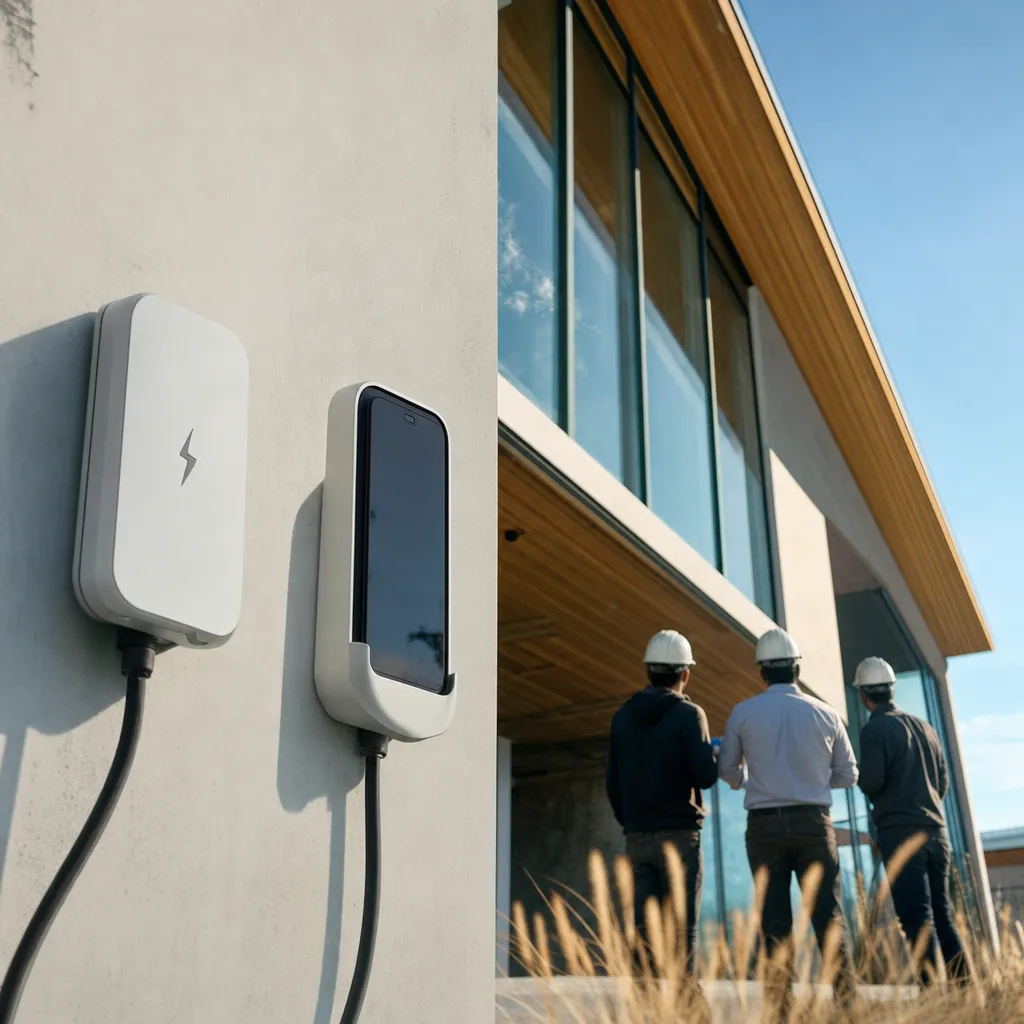
The Fed's warning emerged from a research report examining spillover effects from AI-related capital expenditure, according to CityBiz. The core finding: data center construction, power grid upgrades, and transmission line work are pulling the same electricians, HVAC technicians, and specialty contractors that residential developers need. Because the AI infrastructure market pays construction premiums, residential projects are being priced out or delayed.
The Labor Competition Problem
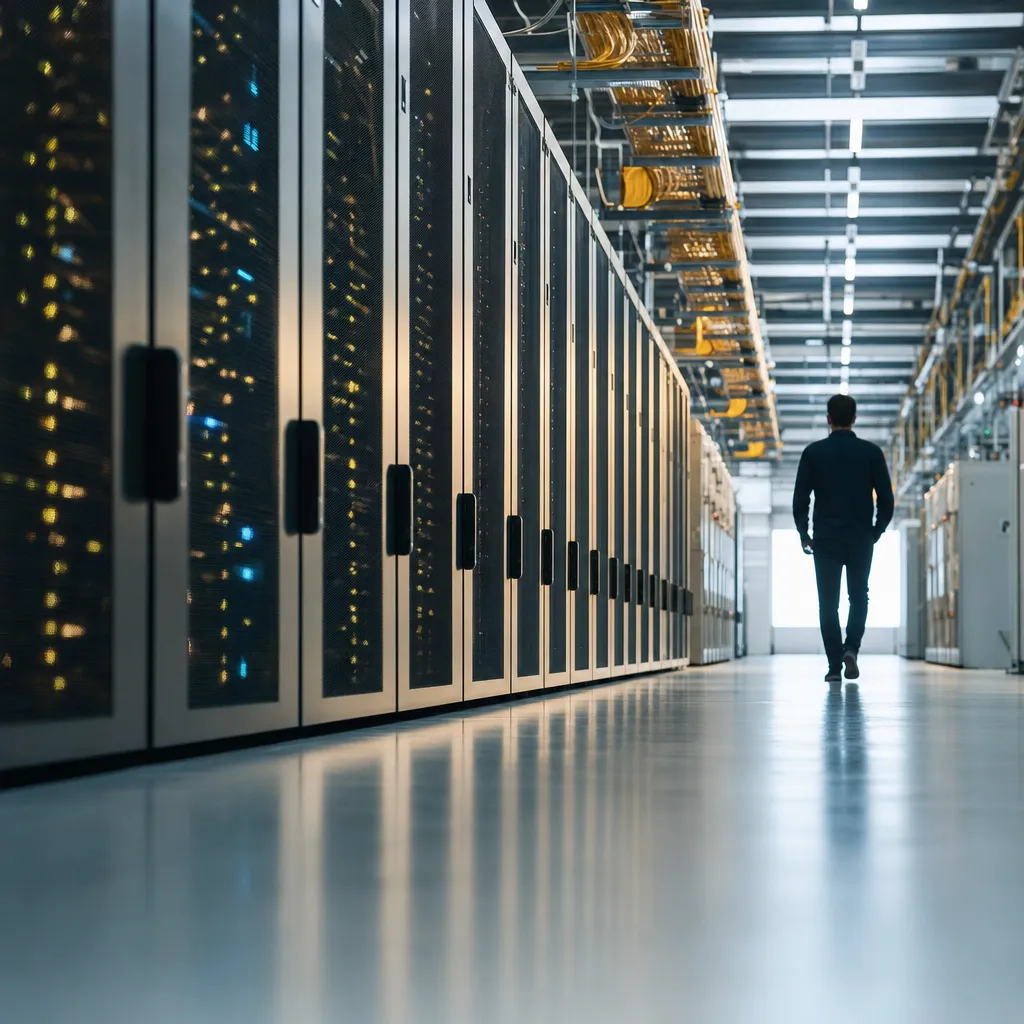
Data centers are electrically intensive facilities by design. A single hyperscale data center campus requires thousands of hours of high-voltage electrical work, specialized cooling systems, and fiber infrastructure. When several of these projects break ground simultaneously in the same metro area — as has happened in Northern Virginia, Phoenix, the Midwest, and Central Texas — local labor markets for electricians tighten quickly.
The Fed's report found that real wages for electricians have risen significantly faster than other construction worker categories since the AI infrastructure expansion accelerated. This is not a general construction wage story — it's specific to the electrical trades that AI facilities disproportionately need.
The knock-on effects for housing:
- Residential developers cannot staff electrical rough-ins and inspections on schedule
- Electrician availability delays new housing completions in already-undersupplied markets
- General contractors raising bids to attract workers in competitive labor environments
- Financing costs for residential projects increase the longer projects take
Materials Markets Under Pressure
Beyond labor, the report raises concerns about materials competition. High-capacity electrical transformers, copper wiring, and specialized switchgear are facing the same supply constraints that slowed residential construction during the pandemic-era supply chain crisis — but this time the demand pressure is structural, not temporary.
Get this in your inbox.
Daily AI intelligence. Free. No spam.
Transformer delivery lead times, which stretched to 2-3 years at peak in 2023-2024, have remained elevated as AI data center demand continues to absorb available production capacity. Residential builders requiring standard utility-grade transformers for new subdivisions report delays that add months to project timelines.
The Housing Affordability Ripple Effect
The report frames this as a potential systemic risk to housing markets in AI infrastructure hotspots. Consider the geography:
- Northern Virginia — the world's densest data center market — already has some of the most constrained housing supply in the mid-Atlantic
- Phoenix — a major data center destination — is a housing market where affordability is already a political issue
- Central Texas — Austin and surrounding areas have seen massive data center investment alongside a housing supply crisis
When construction labor and materials become scarcer, housing completions slow, vacancy rates decline, and rents and home prices rise. The Fed's concern is that AI infrastructure investment, while economically beneficial at the national level, may be concentrating affordability costs in specific metro areas.
What This Means for Builders, Buyers, and Policymakers
For residential developers: Expect continued upward pressure on electrical subcontractor bids in AI data center markets. Projects in constrained metro areas should build longer timelines and higher contingency budgets into pro formas.
For homebuyers: The labor and materials pressures the Fed identifies don't resolve quickly. Training new electricians takes years. Manufacturing capacity for transformers is a multi-year investment. Buyers in AI infrastructure markets may face continued supply constraints for 2-4 years even if data center permitting slows.
For policymakers: The Fed report creates an opening for state and local governments to link AI data center permitting to workforce training investments — a quid pro quo that some municipalities have already begun exploring informally. It also raises questions about whether AI infrastructure tax incentives (which many states have aggressively offered) are being priced correctly when their labor market effects on housing are included.
For the AI industry: The report adds to the fiscal argument for modular and prefabricated data center approaches that reduce on-site skilled labor requirements. It also strengthens the economic case for AI companies to invest in electrical apprenticeship programs in the markets where they build.
What to Watch
Whether the Fed's framing influences the debate over AI infrastructure tax incentives at the state level will be the leading indicator. Several states currently reviewing or renewing data center tax abatement programs — including Virginia and Arizona — will decide in 2027 whether labor market conditions are a factor in future approvals. The report gives housing advocates a data-grounded argument they haven't had before.
Did this help you understand AI better?
Your feedback helps us write more useful content.
Get tomorrow's AI briefing
Join readers who start their day with NexChron. Free, daily, no spam.