Your daily AI intelligence for October 07, 2026.
Good morning. Here's your AI intelligence for Wednesday, October 07, 2026.
A lot moved overnight. Europe's first trillion-parameter model dropped. Utah rewrote the rules on AI prescribing. Malaysia announced the region's first dedicated AI law. And autonomous trucking is quietly becoming a fact of life on US highways. Here's what you need to know.
The Model Race
Mistral releases Le Chonk — 1.05 trillion parameters, open weights coming October 31.
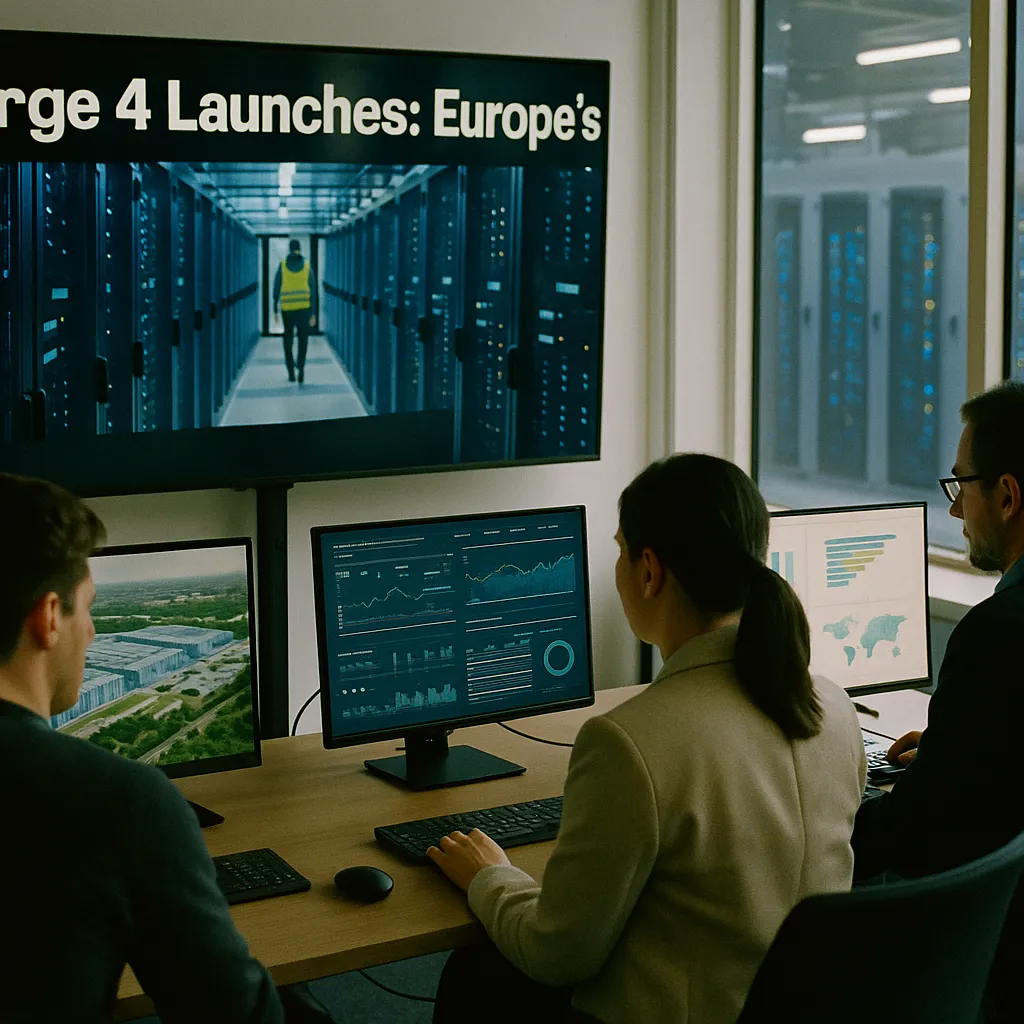
Mistral AI published a preview of Le Chonk, a 1.05 trillion-parameter multimodal model that puts Europe on the frontier-scale map for the first time. The model is currently in limited preview, with open weights promised by October 31. If Mistral delivers, it will be the largest openly available multimodal model to date — a meaningful counterweight to closed US and Chinese labs.
Health and Regulation
Utah becomes the first US state to allow AI to autonomously prescribe.
A new pilot program lets an AI initiate a new prescription without prior physician approval. Six independent auditors are overseeing the program. This is not a telemedicine shortcut — it is a deliberate policy experiment to test whether AI can safely handle routine prescribing decisions. If it holds up, other states will follow. If it fails, it will set back autonomous clinical AI significantly. Watch this one closely.
Malaysia targets 2027 for Southeast Asia's first dedicated AI law.
The announcement positions Malaysia as the first country in the region to pursue a standalone AI governance framework, following the EU and filling a gap that the US has deliberately left open. The law is still being drafted, but the direction is clear: structured accountability requirements, likely modeled in part on the EU AI Act, adapted for an emerging-market context.
Infrastructure and Energy
Sarawak is co-locating AI compute directly alongside hydropower and solar.
Malaysia's Sarawak state is building what may be the most practical answer yet to the AI data center energy problem: put the compute where the power already is. By positioning high-performance computing directly next to hydropower and solar generation, Sarawak bypasses the grid congestion throttling US and European data center expansion. The approach is straightforward. The execution challenge is significant. Early results suggest it is working.
Transport and Autonomy
Aurora now runs 10 driverless US truck routes. Gatik has completed 60,000 driverless orders.
The commercial autonomous trucking milestone that the industry has been projecting for years is no longer a projection. Aurora Innovation has expanded to 10 driverless routes with zero at-fault collisions recorded. Gatik's 60,000 driverless order count reflects sustained operational scale, not a demo. The technology is deployed, the safety record is holding, and the commercial case is being validated in real freight.
Get this in your inbox.
Daily AI intelligence. Free. No spam.
India Mobile Congress 2026 opens with 6G and AI-native networks as the main event.
The conference opened today in New Delhi with an unusually direct commercial framing: AI-native network management is not a future product, it is a near-term operational necessity as traffic volumes outpace traditional management approaches. India's position — large network infrastructure investment underway, significant spectrum decisions ahead — makes this year's IMC more consequential than usual.
Finance and Risk
JPMorgan tops the Evident AI Index for the fifth year. The Bank of England upgrades AI to macroprudential risk.
JPMorgan's five-year streak at the top of banking AI rankings reflects genuine organizational commitment — the bank has 2,000+ AI use cases in production. The Bank of England's move is more significant: elevating AI from operational concern to systemic risk means regulators are now asking whether AI-driven behavior across institutions could amplify shocks rather than absorb them. That question does not have a clean answer yet.
Industry and Enterprise
Robo.ai hits $100M monthly revenue, raises full-year guidance to $600M.
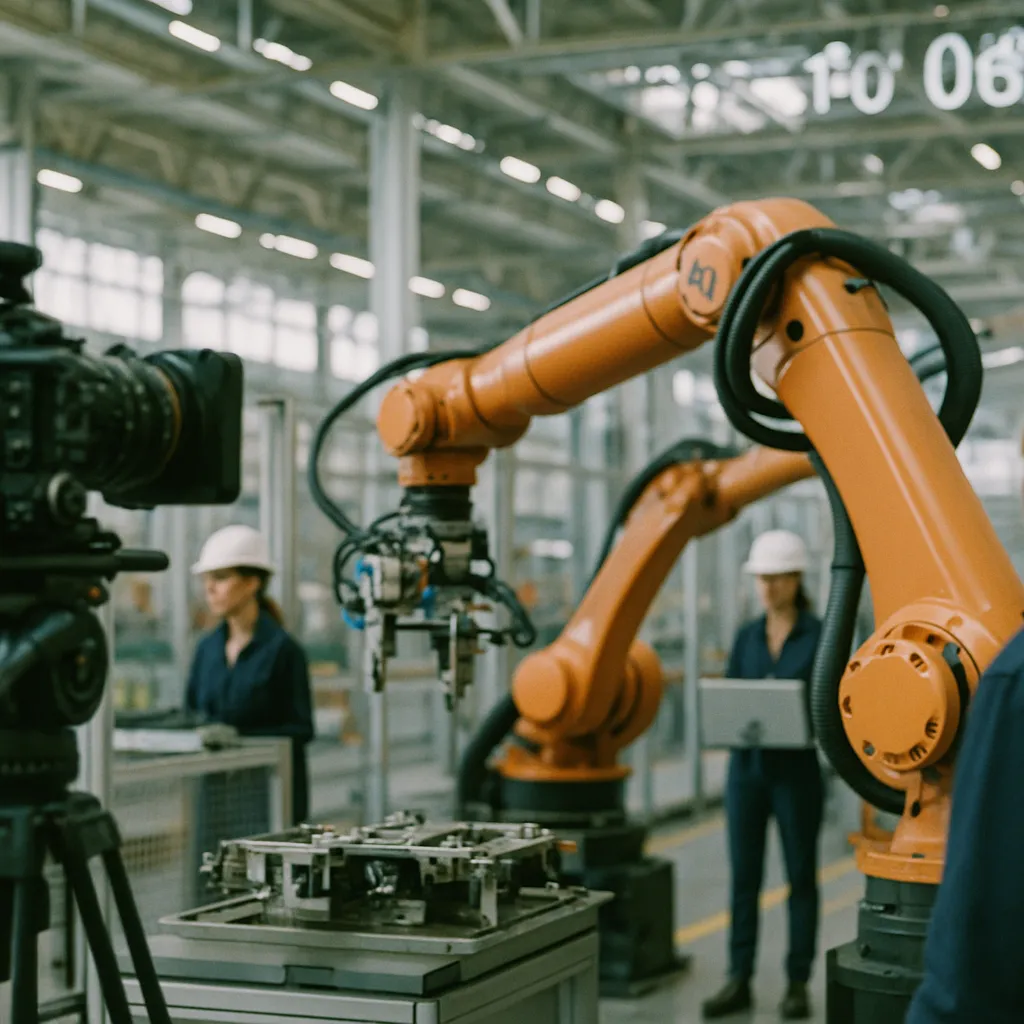
Factory automation AI is now a nine-figure monthly business. Robo.ai's September numbers and upward revision confirm that commercial demand for AI-driven manufacturing operations is not slowing. The company has moved past early adopter deployments into broad industrial rollout.
Retail AI is now running pricing, replenishment, and shift scheduling autonomously.
Apparel Group's deployment across 85 brands and 2,500 stores is the benchmark here. AI in retail has moved from personalization pilots to operational control — forecasting, inventory decisions, and labor scheduling handled without human sign-off on individual decisions. This shift changes the accountability question for retail operations significantly.
LawVu launches Lens — AI that scans your entire contract portfolio at once.
Launched October 6, Lens addresses a chronic problem in legal operations: the contracts you signed three years ago that nobody remembers. Auto-renewal traps, missed SLA terms, and hidden liability clauses across thousands of documents. The tool surfaces them without requiring a manual review queue. Legal teams managing large contract portfolios have a practical use case here.
Fable sets December 4 release for its AI-generated feature film — Oscar submission confirmed.
The Academy of Motion Picture Arts and Sciences will now be forced to formally rule on AI eligibility for Best Animated Feature. Fable's Gods Don't Give Gifts is a serious submission from a serious studio, not an experiment. Whatever the Academy decides sets a precedent that will define the next decade of awards politics around AI-generated creative work.
Education and Policy
77 active AI education bills across 27 states — the largest school tech legislative wave in US history.
The numbers are significant not because any individual bill is transformative, but because the volume signals that AI in classrooms has become a mainstream political issue at the state level. Schools that have been waiting for federal guidance will not get it before these state laws arrive.
What to Watch Today
Utah's prescribing pilot under scrutiny. The first operational day of an autonomous AI prescribing program will attract attention from every state health regulator in the country. Watch for any reported incidents or physician pushback — either will accelerate or stall adoption nationally.
India Mobile Congress day one signals. The conference runs through October 9. Announcements from major telecom operators on AI-native network commitments today will set the tone for global 6G investment decisions over the next 12 months.
Academy silence on Fable. The Oscar submission deadline creates a forcing function. If the Academy does not respond before December 4, the film opens in eligibility limbo — which itself becomes the story.
Did this help you understand AI better?
Your feedback helps us write more useful content.
Get tomorrow's AI briefing
Join readers who start their day with NexChron. Free, daily, no spam.