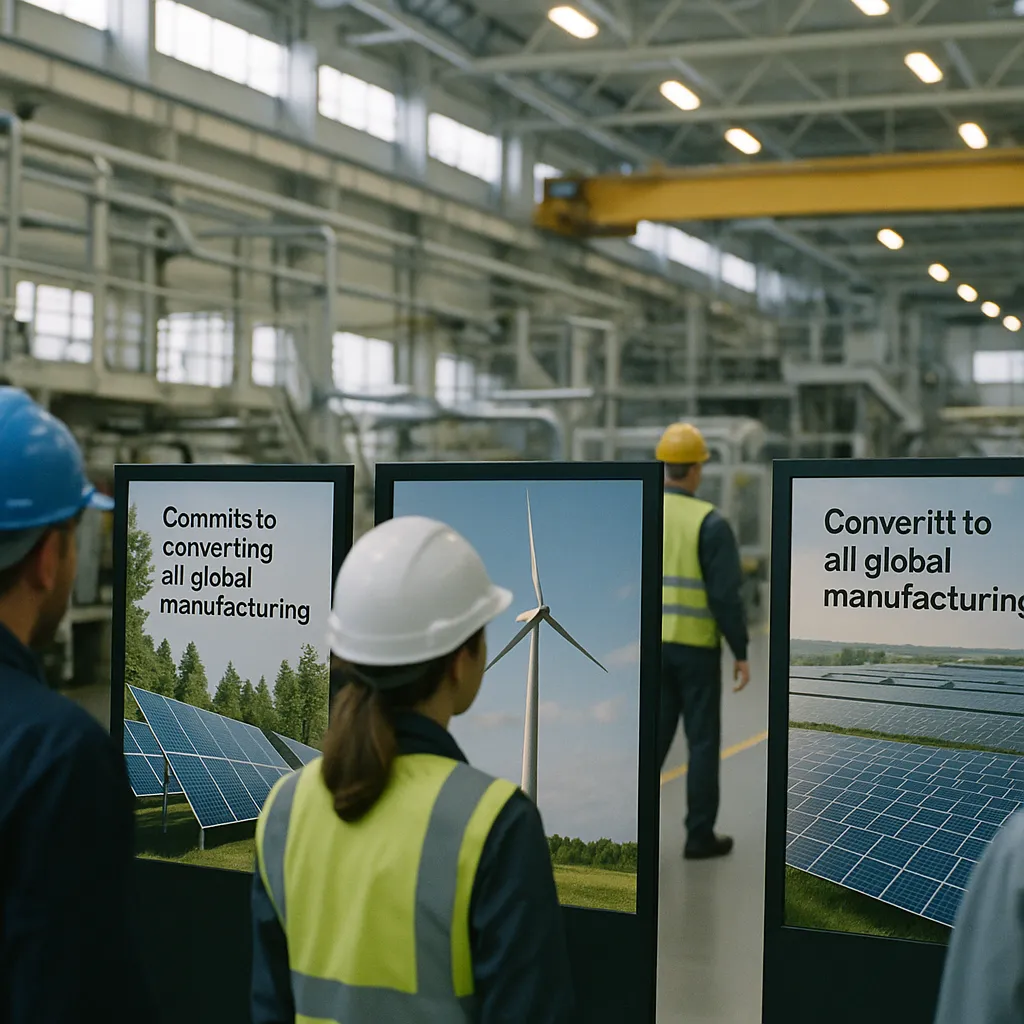
Samsung Electronics committed at the board level to convert every global manufacturing facility to AI-driven operations by 2030 — a benchmark that analysts say will pressure major competitors to accelerate.
Samsung Commits to Converting All Global Manufacturing Facilities to AI-Driven Factories by 2030
By Hector Herrera | May 1, 2026 | Manufacturing
Samsung Electronics announced a board-level strategy to transform every global manufacturing facility into an AI-driven factory by 2030, moving the world's largest consumer electronics manufacturer from AI pilot programs to a binding corporate commitment. Analysts say the announcement sets a benchmark that will pressure major competitors to accelerate their own AI manufacturing timelines — turning what has been a gradual sector transition into a race.
The Commitment
Samsung's announcement commits the company to integrating AI across its entire manufacturing value chain: supply procurement, production scheduling, quality control, equipment maintenance, and logistics. The target is full conversion of all global facilities by 2030 — not an expanded pilot program, not a flagship-facility showcase, but every factory Samsung operates worldwide.
The board-level approval is the signal that distinguishes this from a technology roadmap aspiration. Samsung's board governs a manufacturing operation spanning semiconductors, displays, home appliances, and mobile devices across facilities in South Korea, Vietnam, India, Brazil, and multiple other countries. A board-approved deadline means quarterly capital allocation reviews, executive accountability against hard milestones, and investment commitments that appear in earnings disclosures.
What "AI-Driven Factory" Means at This Scale
Samsung's implementation targets AI integration at multiple points across the production system:
- Predictive quality control: AI vision systems detecting defects earlier in the production process than human inspection, reducing waste, rework costs, and end-of-line failure rates.
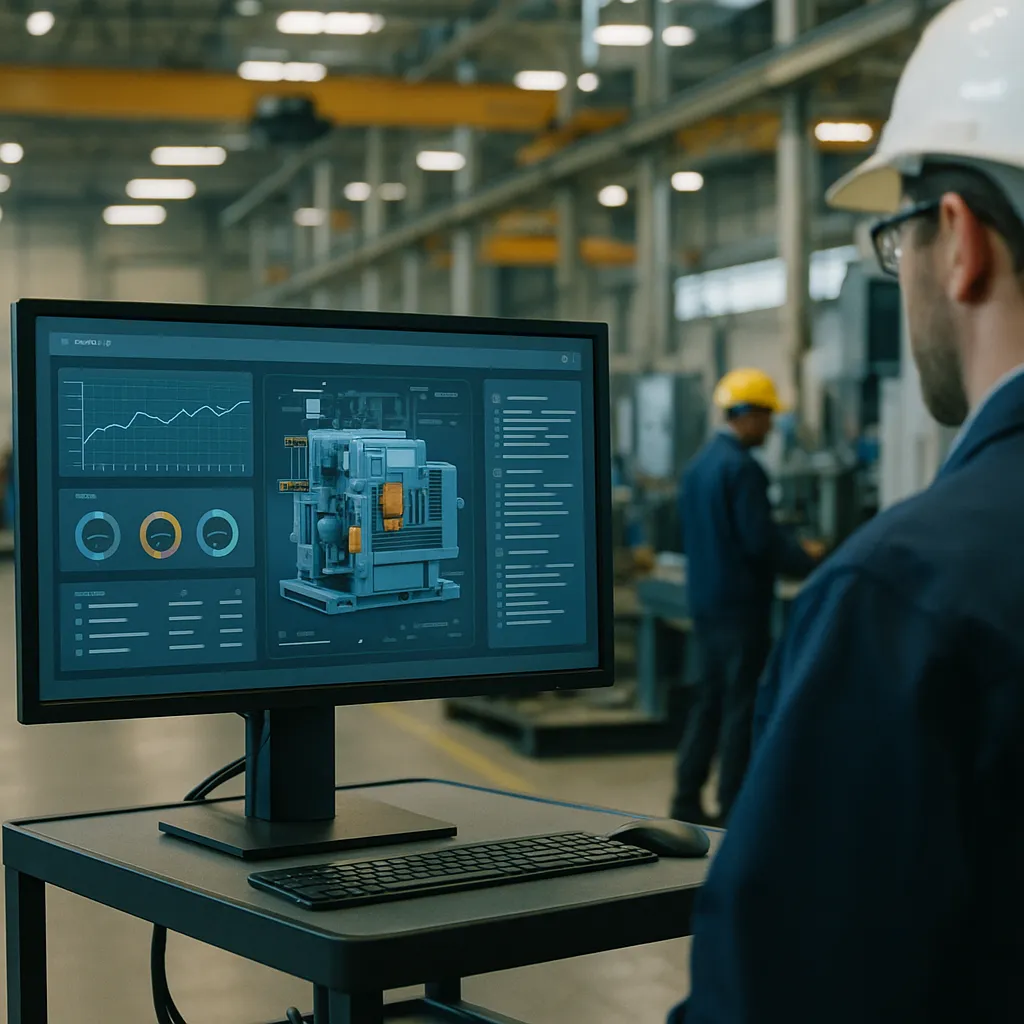
- Equipment health monitoring: AI-driven predictive maintenance identifying component degradation before failure occurs, reducing unplanned downtime and emergency repair costs.
- Supply chain optimization: AI forecasting and procurement systems reducing inventory carrying costs and supplier lead time variability across a global multi-tier supply chain.
- Production scheduling: AI systems optimizing throughput, shift scheduling, and material flow in real time against live demand signals.
- Logistics coordination: AI-driven management of inbound and outbound logistics across the full facility network.
At Samsung's production scale — billions of units annually across dozens of product categories — marginal efficiency improvements at each of these points translate to material financial impact. A 1% reduction in defect rates or unplanned downtime across Samsung's full production volume is not a rounding error.
Get this in your inbox.
Daily AI intelligence. Free. No spam.
The Competitive Pressure
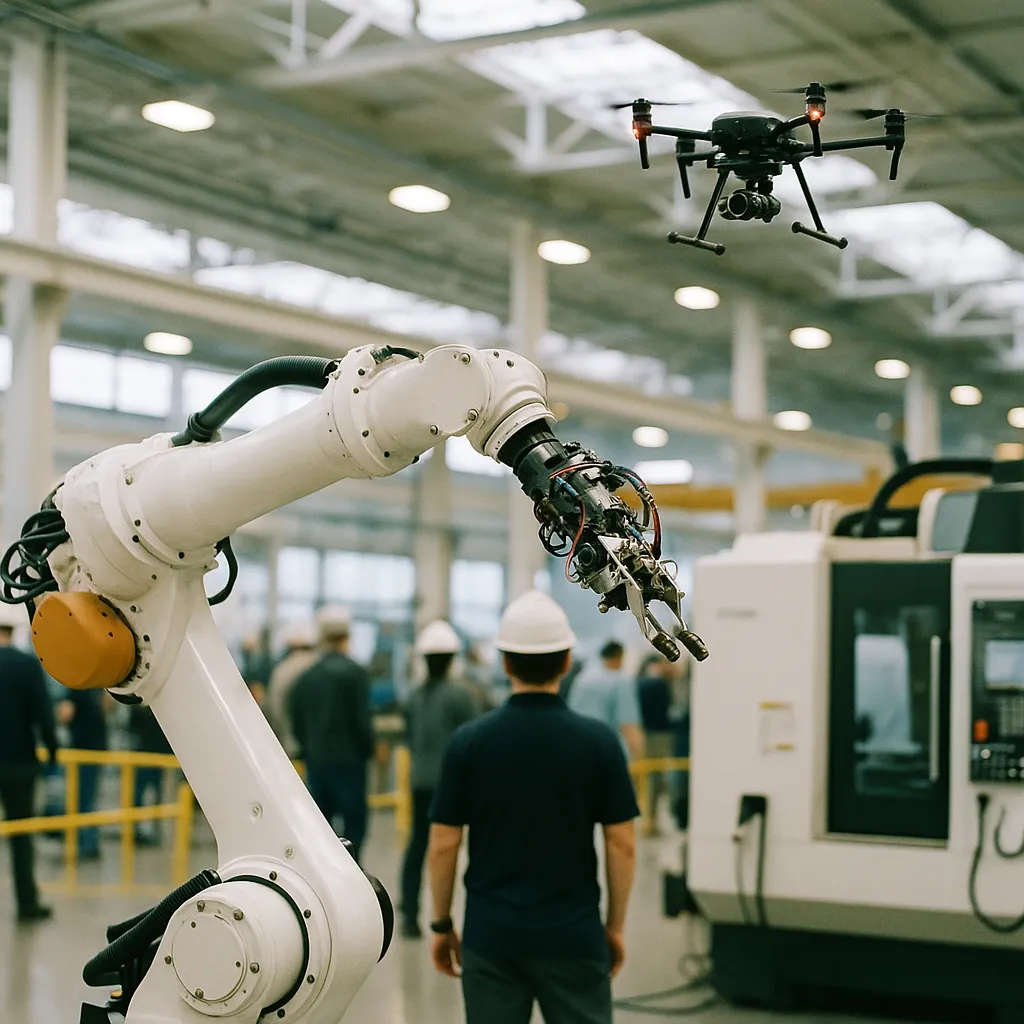
Samsung's announcement does not land in isolation. The smart factory transition has been accelerating across global manufacturing: LLM adoption in industrial operations doubled year-over-year in recent surveys, and interest in humanoid robotics among plant operators climbed to 13% of global facilities. The sector has been moving in this direction.
What Samsung's board-level commitment does is change the stakes for competitors that have been advancing at pilot program pace. When the world's largest consumer electronics manufacturer sets a hard 2030 full-conversion deadline, rivals face a direct competitive choice: accelerate their own timelines, or accept a structural cost and quality disadvantage against a manufacturer that has committed fully.
Samsung's direct competitors — TSMC and SK Hynix in semiconductors, LG and Sony in consumer electronics, Whirlpool and Haier in home appliances — will each be evaluating what their own AI factory timelines look like against a Samsung that is tracking toward full conversion in four years. That pressure is real and will show up in their capital expenditure planning.
The Labor Question
Any full-scale AI factory conversion raises legitimate questions about manufacturing employment. Samsung has not publicly disclosed projected headcount impact from the 2030 strategy. The honest reality is that significant AI integration in manufacturing reduces the ratio of workers to output — that is a substantial part of the efficiency case for doing it.
Samsung employs hundreds of thousands of manufacturing workers globally. How the company manages the workforce transition — through attrition, retraining for higher-skill roles, or direct reduction — will be closely watched by labor organizations and governments in every country where Samsung's facilities operate. That political dimension will shape how the implementation unfolds in practice.
What to Watch
Samsung's quarterly earnings calls are the near-term data source for capital allocation specifics — how much is being committed to AI factory conversion in the 2026 and 2027 capex budgets. If the numbers are substantial and the conversion timeline holds through mid-2026, other major manufacturers will face direct analyst pressure to show comparable plans.
The broader effect may be on the industrial AI vendor ecosystem. Every company selling AI-driven quality control, predictive maintenance, or production scheduling software now has Samsung's full-conversion commitment as a credible reference case — and a pipeline of competitors following Samsung's lead as motivated prospects.
The manufacturing AI transition has been moving in one direction for years. Samsung just turned it into a race with a finish line.
Did this help you understand AI better?
Your feedback helps us write more useful content.
Get tomorrow's AI briefing
Join readers who start their day with NexChron. Free, daily, no spam.