Launchpad Build AI has released a manufacturing-specific language model that lets engineers design and program factory automation systems in plain English — targeting the skilled-programmer shortage slowing industrial modernization.
Launchpad Build AI Releases Manufacturing Language Model to Close the Automation Skills Gap
By Hector Herrera | May 16, 2026 | Vertical: Manufacturing
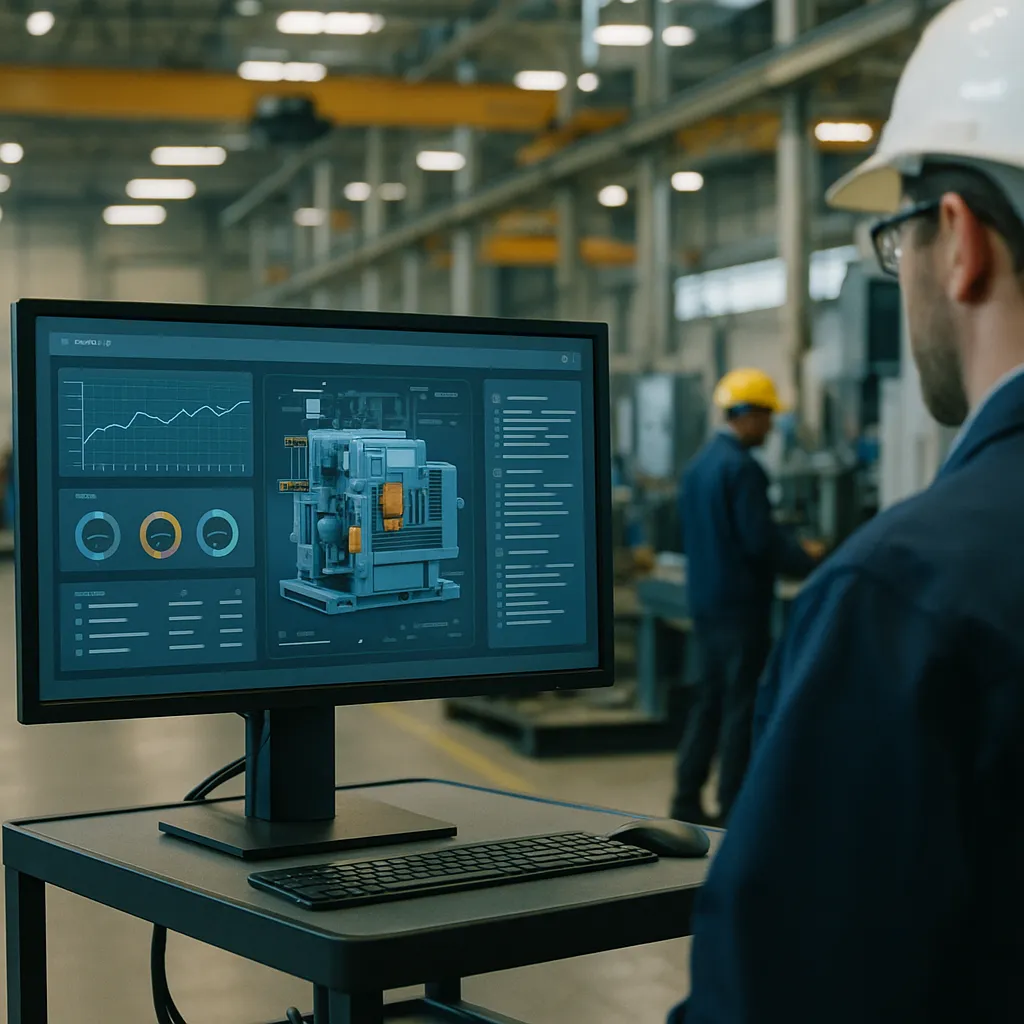
Launchpad Build AI has unveiled a manufacturing-specific large language model (MLM) trained on industrial automation data, designed to let engineers design, troubleshoot, and program [factory automation](/manufacturing/intrinsic-ai-factory-automation-economics) systems using plain-language prompts. The tool targets a persistent bottleneck in industrial modernization that isn't hardware or capital — it's the shortage of people who can program factory automation systems.
The Skills Gap That Is Slowing Factory Modernization
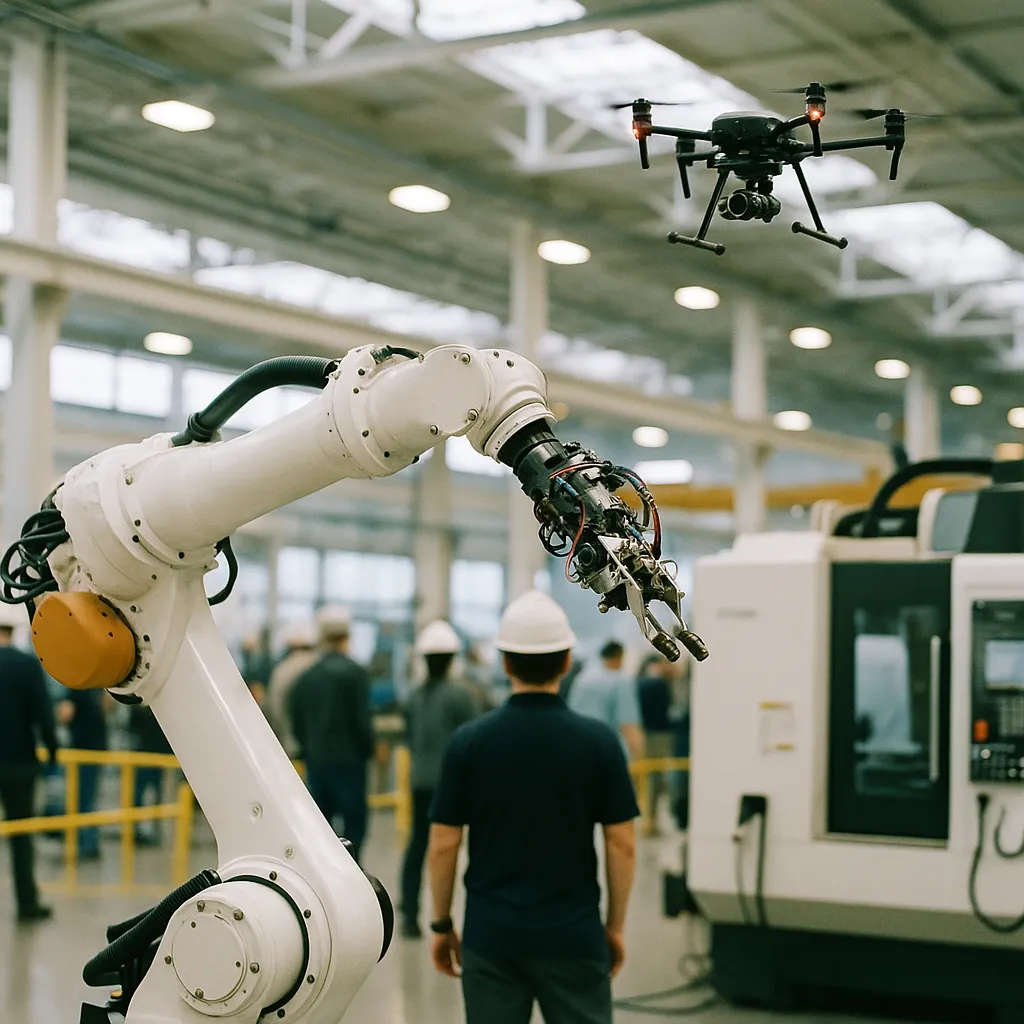
Factory automation has been advancing rapidly on the hardware side. Industrial robot prices have fallen by roughly 50% over the past decade. Computer vision systems for quality inspection are broadly available. Machine learning tools for predictive maintenance are mature. The physical equipment exists at prices that small and mid-size manufacturers can access.
The limiting factor is integration expertise. Programming a PLC (programmable logic controller) — the specialized computer that controls industrial machinery — requires training in proprietary languages and domain-specific knowledge that took years to acquire. Designing a robotic work cell, integrating machine vision into a production line, and commissioning a complete automated system requires engineers who can work across mechanical, electrical, and software domains simultaneously.
There are not enough of these engineers to meet current demand, let alone the demand that accelerating factory automation is creating. The result is a design and integration backlog that stretches modernization timelines by months and keeps automation projects in the planning phase far longer than the technology requires.
What Launchpad's MLM Does
The manufacturing language model is trained on:
Get this in your inbox.
Daily AI intelligence. Free. No spam.
- Industrial automation documentation and standards
- PLC programming languages (including IEC 61131-3 standards: Ladder Logic, Function Block Diagram, Structured Text)
- Robot programming languages across major platforms
- Machine vision system specifications and integration patterns
Engineers can describe what a production line needs to accomplish in plain English — "I need to pick aluminum extrusions from a conveyor and place them in a CNC machine with a cycle time under 8 seconds" — and the MLM returns design recommendations, code scaffolding for the control system, and troubleshooting guidance based on common failure modes in similar setups.
The system is explicitly designed to compress design cycles and lower the technical barrier for manufacturers who can't staff full automation engineering teams. A mechanical engineer with moderate automation experience, augmented by the MLM, can now move further into a project before needing to bring in specialized expertise.
What This Changes — and What It Doesn't
For manufacturers, a reliable manufacturing language model could significantly reduce the most expensive phase of automation projects: the design and programming phase before a single component moves on the factory floor. Engineering time in this phase is billed at premium rates, and iterations are expensive. Compressing it meaningfully changes the project economics.
For small and mid-size manufacturers — the segment most capacity-constrained in automation expertise — this could be the tool that makes automation projects feasible that previously weren't.
The honest caveat: industrial automation is enormously diverse. The scenarios the MLM handles well will depend heavily on how comprehensive and representative its training data is. Factory automation spans thousands of equipment combinations, dozens of major control system vendors, and processes ranging from food production to aerospace manufacturing. A model trained primarily on common industrial patterns will underperform on edge cases — and edge cases in factory automation aren't hypothetical; they're the normal condition in complex manufacturing environments.
Safety-critical programming tasks require particular scrutiny. Automation systems control machinery that can injure workers. Code scaffolding from an AI model is a starting point, not a finished output. Engineers will need to verify, test, and validate anything the MLM produces before deployment in a live environment.
What to Watch
Real-world performance data from early adopters — specifically, how well the MLM handles the diversity of real manufacturing environments versus controlled demonstrations. Also watch how incumbent industrial automation vendors (Siemens, Rockwell Automation, Fanuc, ABB) respond: they have proprietary AI tools in development, and a strong independent MLM threatens their software lock-in strategy.
Hector Herrera covers AI in manufacturing, industrial automation, and the physical systems being transformed by machine intelligence. He is the founder of Hex AI Systems.
Did this help you understand AI better?
Your feedback helps us write more useful content.
Get tomorrow's AI briefing
Join readers who start their day with NexChron. Free, daily, no spam.