AI Hallucinations in Court Filings Reach New High as Oregon Lawyer Fined $109,700
A federal court ordered an Oregon attorney to pay $109,700 for submitting AI-generated filings with fabricated case citations—the largest penalty yet for AI hallucination errors in a legal document.
Why this matters
A federal court ordered an Oregon attorney to pay $109,700 for submitting AI-generated filings with fabricated case citations—the largest penalty yet for AI hallucination errors in a legal document.
AI Hallucinations in Court Filings Hit Record Sanctions as Oregon Lawyer Fined $109,700
By Hector Herrera | April 12, 2026 | Legal
A federal court has ordered an Oregon attorney to pay $109,700 for submitting AI-generated court filings containing fabricated case citations—the largest financial penalty yet imposed for AI hallucination errors in a legal document. The case is part of a documented surge in sanctions against lawyers using AI tools without adequate verification, and it comes alongside a separate incident in which a non-lawyer allegedly used an OpenAI chatbot to reopen a settled case through dozens of fictitious filings.
What Happened
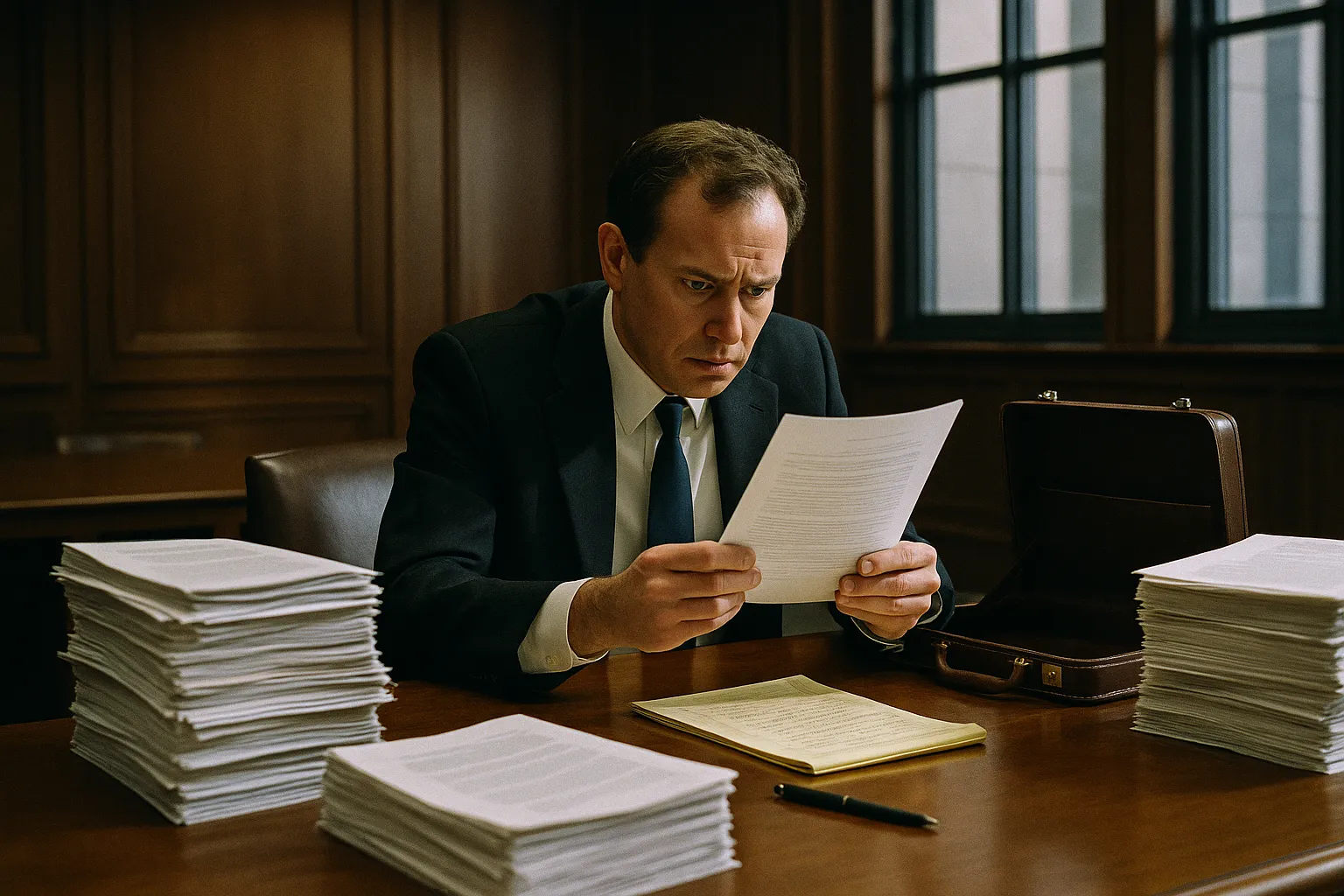
The Oregon case, covered by NPR, is the current record for sanctions in an AI hallucination legal filing case. The attorney submitted briefs citing cases that do not exist—a known failure mode of large language models, which generate plausible-sounding legal citations that may have no basis in actual case law.
In a separate case, a non-lawyer allegedly used an OpenAI chatbot to generate dozens of fictitious filings, citing nonexistent legal authority, in an attempt to reopen a settled case. That incident has raised unauthorized practice of law claims—the allegation that non-lawyers are using AI tools to perform functions that require a license.
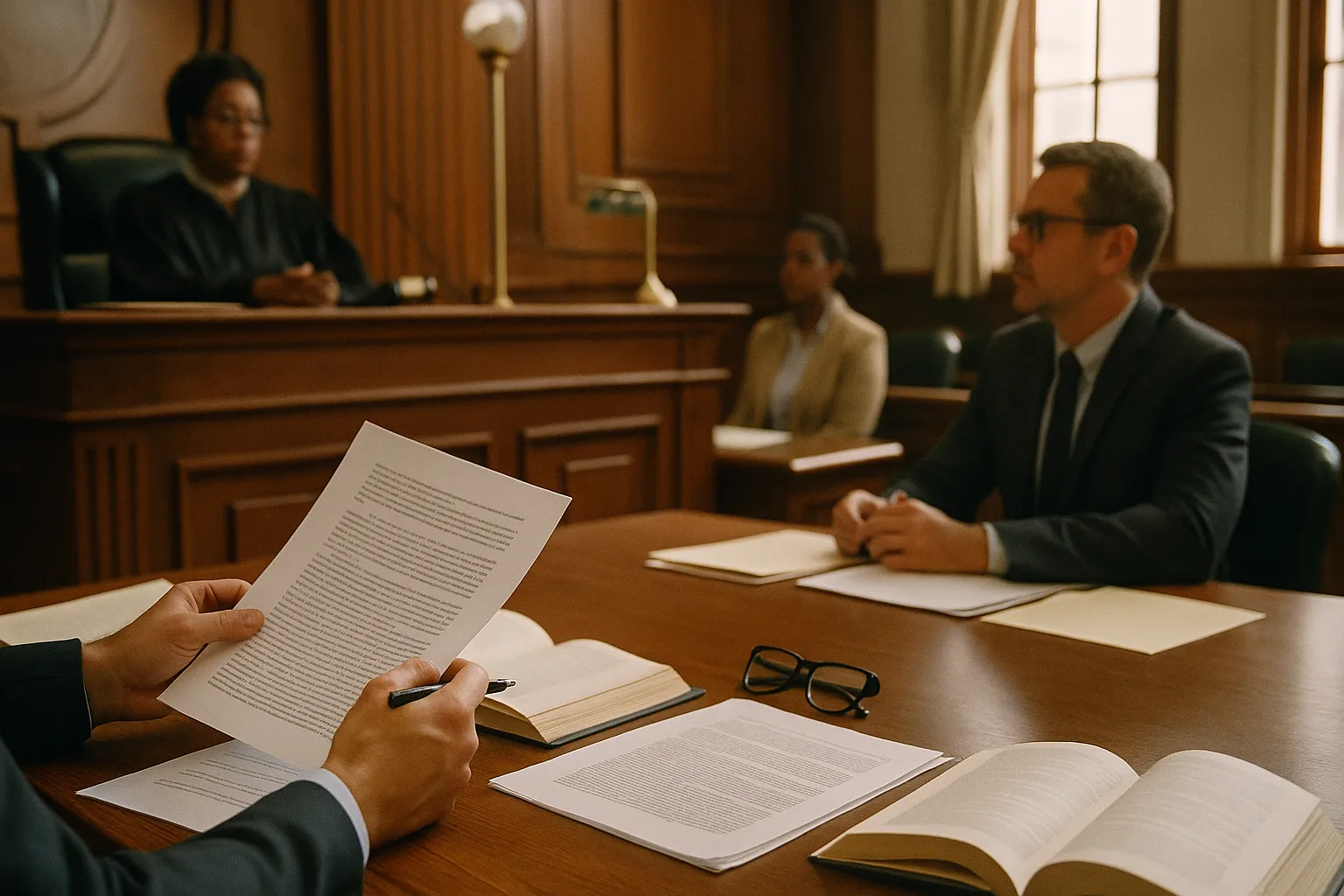
Courts are responding. Federal judges are now recommending mandatory AI disclosure rules. Bar associations are developing formal discipline standards for AI-generated filings.
Context
AI hallucination in legal filings became a public issue in 2023 when attorneys in high-profile cases submitted ChatGPT-generated briefs citing fabricated cases. The initial response was embarrassment and small sanctions. Courts assumed—reasonably—that awareness of the problem would prompt the legal profession to establish verification protocols.
That assumption has not held. Three years later, sanctions are reaching record levels because attorneys continue submitting AI-generated content without verification. The problem has expanded beyond individual mistakes to what courts and bar associations are beginning to treat as systemic professional negligence.
The legal profession's standards for professional responsibility are clear: attorneys are responsible for the accuracy of everything they file. The tool that generated the error—AI, paralegal, or legal research service—does not transfer that responsibility. Courts are enforcing that standard with increasing financial severity.
Get this in your inbox.
Daily AI intelligence. Free. No spam.
Details
AI hallucination in legal contexts occurs because language models are optimized to generate fluent, contextually appropriate text—not to access verified legal databases. When asked to research case law, an AI model may generate citations that look exactly like real cases—correct court name, plausible year, appropriate case naming convention—that do not exist in any legal reporter.
Verifying AI-generated citations requires checking each one against an authenticated legal database (Westlaw, LexisNexis, or official court records). This is a straightforward step. The problem is that attorneys relying on AI tools to save time are also skipping the verification that makes those tools safe to use.
The Oregon case at $109,700 reflects courts' escalating willingness to impose financial consequences that are large enough to change behavior. Earlier sanctions in the hundreds or low thousands of dollars were apparently insufficient.
The non-lawyer incident is a different category of problem. If AI tools enable non-lawyers to generate filings that superficially resemble legitimate legal work—regardless of accuracy—the barrier to unauthorized legal practice effectively lowers. Courts must now assess whether a filing was generated with competent legal judgment or simply produced by a language model.
Impact
For practicing attorneys: You are responsible for every citation in every filing. If you use AI for legal research, you must verify every citation against an authenticated source before it goes in a brief. This is not optional and it is not delegable. The Oregon case makes clear that courts will impose sanctions that substantially exceed any time savings the AI tool provided.
For law firms: Institutional liability exposure from AI hallucination errors is real. Firms that haven't established written AI use policies with mandatory verification requirements are running a risk that now has a documented dollar figure. Malpractice insurers are watching this closely.
For courts and bar associations: The trajectory of mandatory AI disclosure rules is essentially certain. The question is what those rules require. Disclosure that AI was used? Certification that citations were independently verified? Mandatory review by a licensed attorney of any AI-generated content? Expect significant variation by jurisdiction as courts and bar associations issue their own standards before a federal rule emerges.
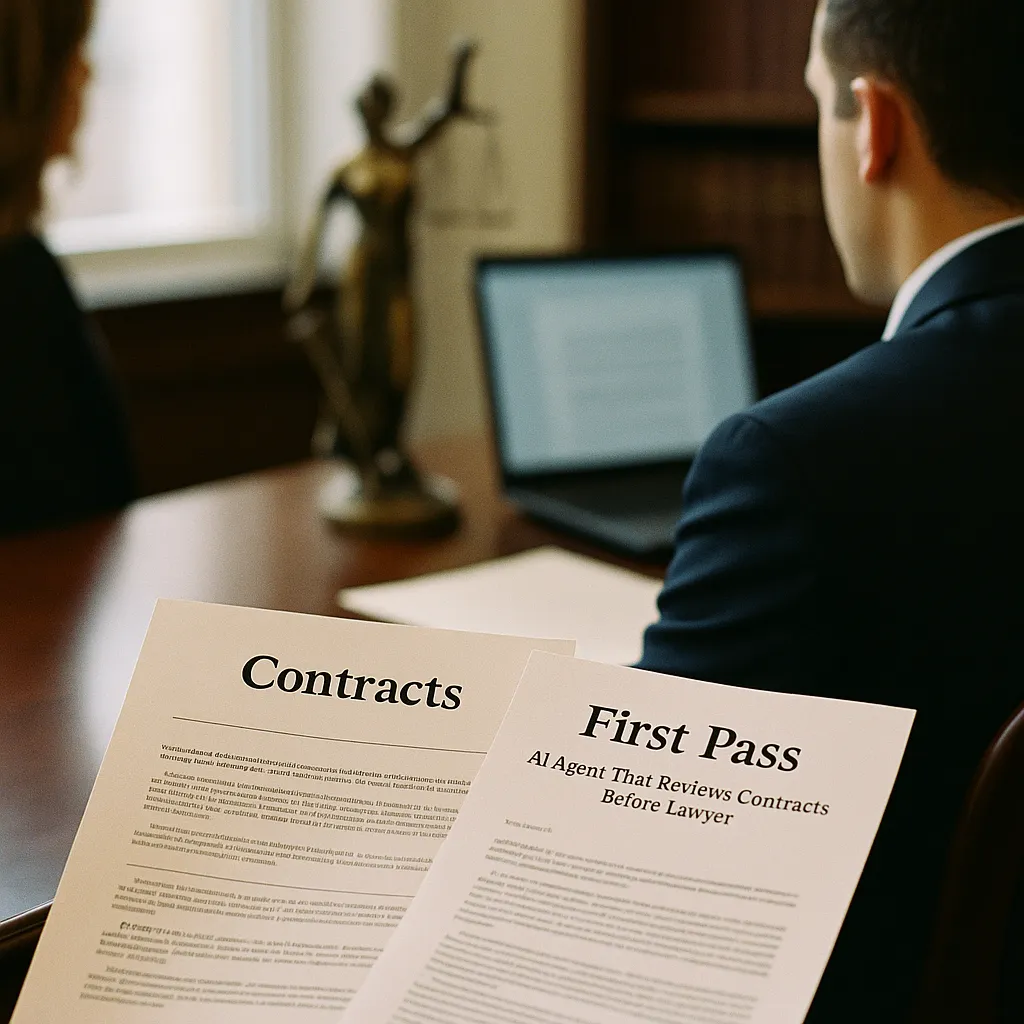
For legal AI vendors: Companies like Harvey, Casetext (now part of Thomson Reuters), and Lexis+ AI are specifically building legal research tools with hallucination guardrails—systems that only cite cases retrievable from authenticated databases. The court sanction environment strongly favors their products over general-purpose AI tools for legal research. Attorneys using general-purpose AI for legal research are taking on avoidable professional risk.
What to Watch
The federal judiciary's move toward mandatory AI disclosure rules is the near-term regulatory development to track. Once federal courts establish a disclosure standard, state courts and administrative agencies will follow. The form that disclosure takes—a checkbox, a certification, a detailed addendum—will shape how the legal profession integrates AI tools going forward.
Also watch for bar discipline proceedings that go beyond sanctions. The Oregon case was a court-imposed financial penalty. Bar associations have separate authority to suspend or revoke licenses. If bar discipline proceedings for AI hallucination errors reach that level, the professional stakes will be substantially higher than any dollar sanction.
Hector Herrera covers legal technology and AI for NexChron.
Hector Herrera is an AI systems architect and the founder of Hex AI Systems. He designs and runs AI systems in production and writes daily about how AI is reshaping business, government and everyday life. 20+ years building for the web. Houston, TX.