Science Corp Is Placing Its First AI-Linked Sensor Inside a Human Brain
Science Corp, founded by ex-Neuralink co-founder Max Hodak, is preparing its first human brain implant — an AI-linked sensor designed to restore motor function in paralysis patients.
Why this matters
Science Corp, founded by ex-Neuralink co-founder Max Hodak, is preparing its first human brain implant — an AI-linked sensor designed to restore motor function in paralysis patients.
Science Corp Is Placing Its First AI-Linked Sensor Inside a Human Brain
By Hector Herrera | April 14, 2026 | Health
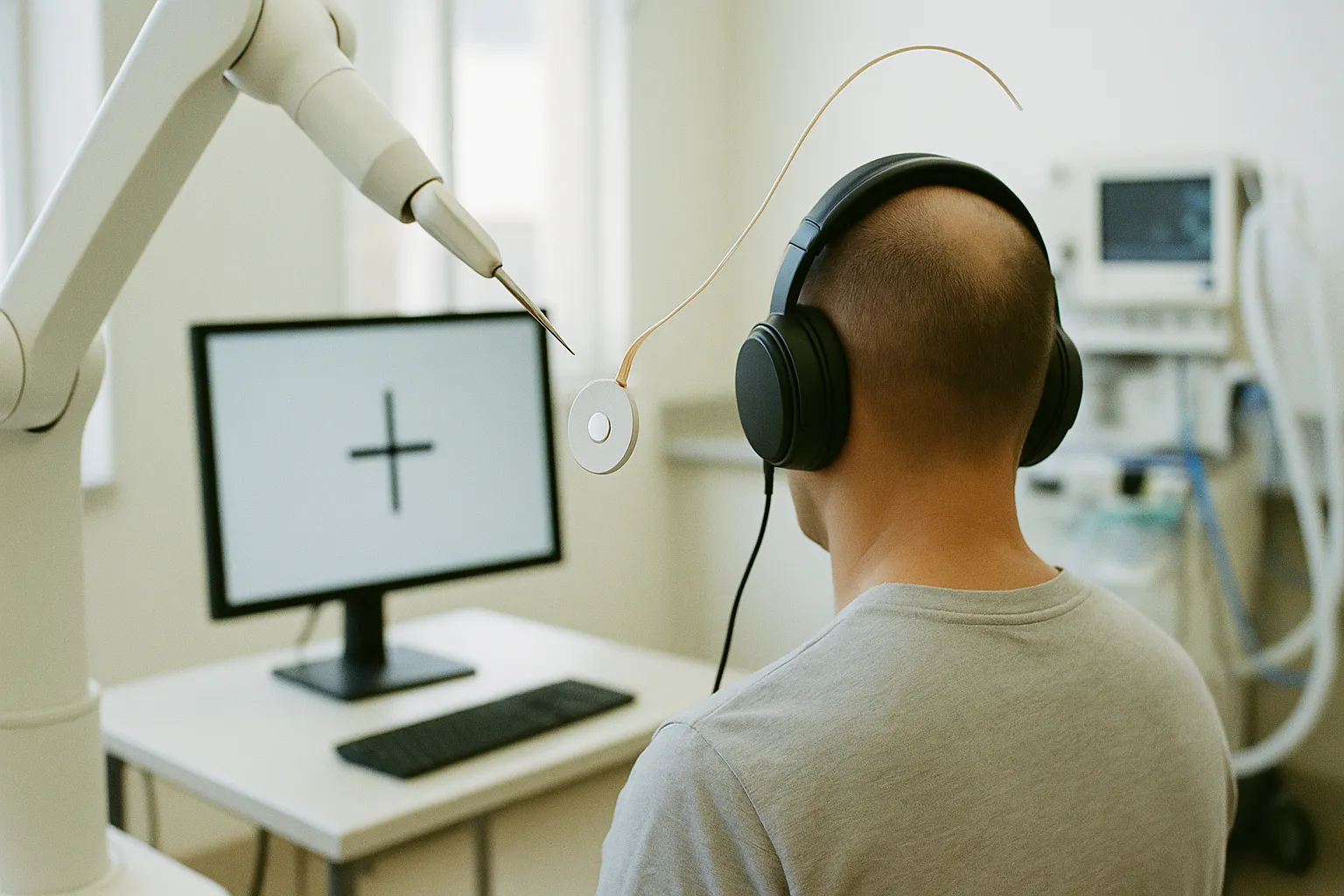
Science Corp., the brain-computer interface startup founded by former Neuralink co-founder Max Hodak, is preparing to implant its first sensor in a human brain. The device is designed to read motor signals and relay them to an AI system — potentially giving paralyzed patients the ability to control external devices through thought. If it proceeds, it marks the company's transition from years of animal testing to its first human trial.
Medical disclaimer: This article covers early-stage clinical research. Neural implant technology is not approved for general medical use. Results in animal models do not guarantee outcomes in human patients.
Who Is Science Corp?
Science Corp was founded in 2021 after Hodak departed Neuralink, the BCI (brain-computer interface) company he co-founded with Elon Musk. While Neuralink has commanded most of the public attention in this space — completing its first human implant in January 2024 — Science Corp has been developing a competing architecture quietly.
The company's device takes a different technical approach than Neuralink's BrainChip implant. Where Neuralink uses a flexible array of electrode threads inserted robotically, Science Corp's sensor architecture has been less publicly detailed. The company has completed animal testing and, according to TechCrunch, is now preparing its first human participant trial.
What the Device Does
The Science Corp sensor is designed to:
Get this in your inbox.
Daily AI intelligence. Free. No spam.
Read neural signals from motor cortex neurons — the brain region that controls voluntary movement
Transmit those signals to an AI system in real time
Translate signals into commands that control external devices — prosthetics, computers, or mobility aids — restoring functional independence for patients with paralysis
The AI layer is not incidental — it's core to the device's function. Raw neural signals are noisy and variable; the AI decodes intent from that noise and issues precise commands. This is the same general architecture Neuralink uses, though implementation specifics differ.
Where This Stands in the Field
Brain-computer interfaces for paralysis patients are not new — Utah array-based systems (the predecessor technology) have been in research use for over two decades. What's changed is the combination of miniaturization, wireless transmission, and AI decoding that makes the devices practical rather than just functional in lab conditions.
Neuralink's first patient, Noland Arbaugh, demonstrated the ability to play chess and use a computer cursor using thought alone. Science Corp's target outcomes are similar. The existence of multiple credible entrants in human trials is significant for the field — it means faster iteration, more data, and eventual regulatory pathways that benefit all future patients.
Specific details — trial enrollment criteria, FDA clearance status, number of planned participants — were not disclosed in TechCrunch's report. Science Corp has historically been more private about its regulatory strategy than Neuralink.
What to Watch
Two milestones will define whether Science Corp becomes a credible competitor or remains in Neuralink's shadow:
Regulatory clearance — either FDA Breakthrough Device designation, an IDE (Investigational Device Exemption) approval, or a compassionate use pathway is required before any human implant
Functional outcomes — what can the first patient actually do, and how does that compare to Neuralink's published results?
Hodak has been consistently measured in his public statements about timelines — a notable contrast to Elon Musk's habit of over-projecting BCI milestones. That measured approach has kept Science Corp credible, but also under-covered. A successful first human trial would change that quickly.
Hector Herrera is an AI systems architect and the founder of Hex AI Systems. He designs and runs AI systems in production and writes daily about how AI is reshaping business, government and everyday life. 20+ years building for the web. Houston, TX.