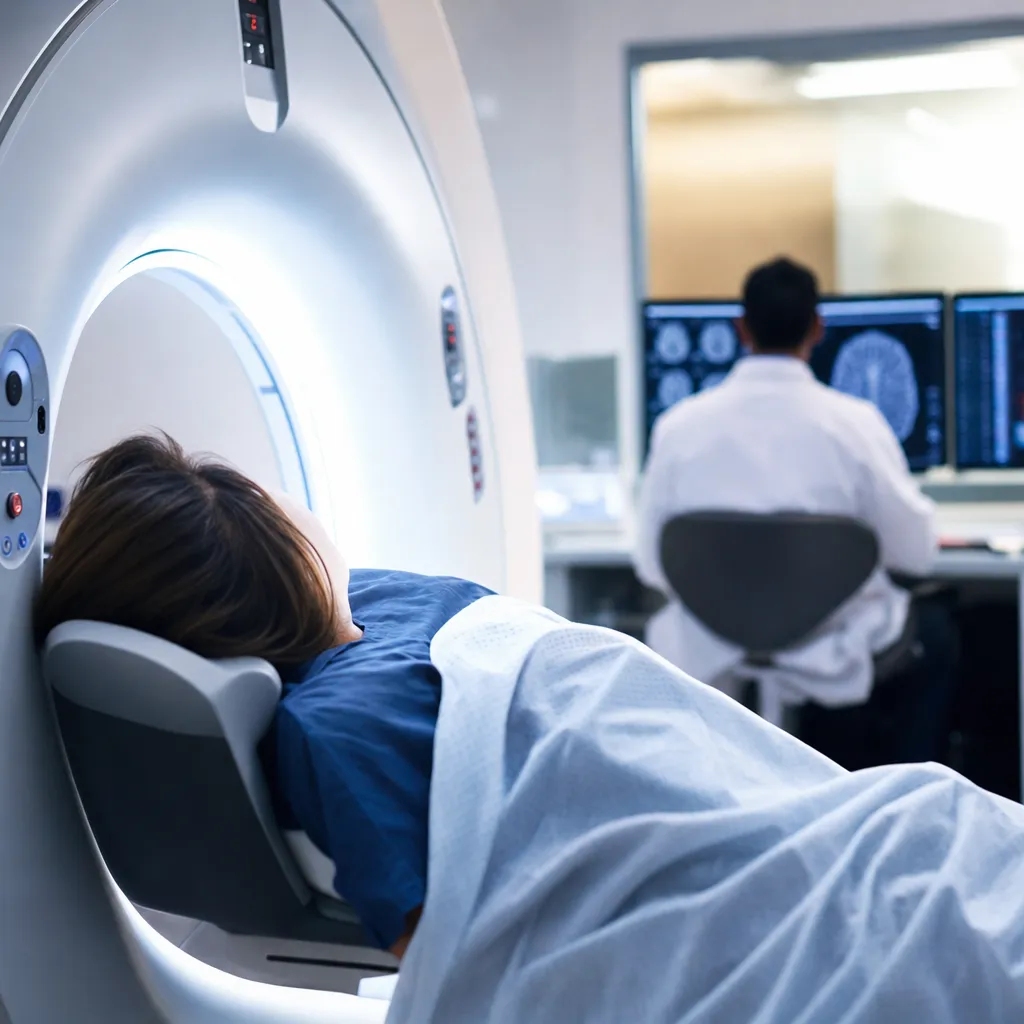
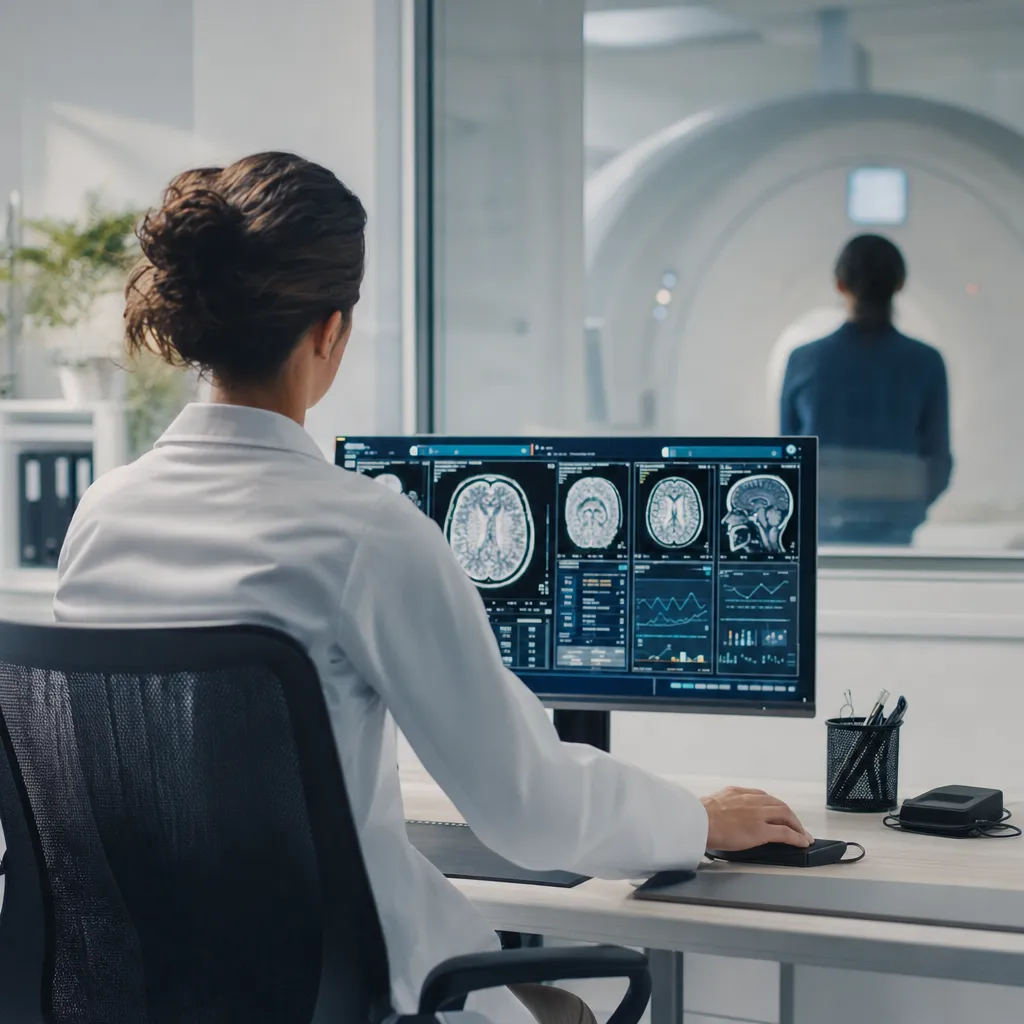
Research at AMP 2026 found AI both outperforms human specialists and improves specialist accuracy in brain tumor classification — a dual result that reframes the deployment case from replacement to collaboration.
AI Outperforms and Augments Human Specialists in Brain Tumor Classification at AMP 2026
AI tools both outperform human specialists and improve specialist accuracy when used together — a dual result published at the Association for Molecular Pathology's 2026 Annual Meeting that shifts the medical AI conversation from replacement to collaboration. The research, presented at AMP 2026, focused on brain tumor classification and found that neither pure-AI nor pure-human performance matches the accuracy of a combined human-AI workflow.
Why Both Findings Together Are More Important Than Either Alone
Most medical AI research proves one of two things: AI is better than a human, or AI helps a human perform better. This study found both simultaneously in the same domain — and that combination matters for how hospitals actually deploy these tools.
If AI only outperformed specialists, clinical administrators would face pressure to replace specialist review with automated classification, raising liability and regulatory barriers. If AI only augmented specialists, the value proposition is incremental improvement in existing workflows. Finding both means AI can be positioned as a clinical co-pilot that is valuable whether a specialist is in the loop or not — and even more valuable when they are.
The classification task centers on brain tumor molecular profiling — identifying gliomas, meningiomas, and other central nervous system tumors at the molecular level using DNA methylation and genomic data. This is a domain where diagnostic accuracy directly determines treatment protocols, and where specialist availability is a bottleneck: neuropathology is one of the most undersupplied medical specialties globally.
What the Research Found
The AMP 2026 presentation did not disclose the full methodology in public summaries, but the key findings reported are:
Get this in your inbox.
Daily AI intelligence. Free. No spam.
- AI alone achieved higher classification accuracy than human specialists working alone on the same tumor samples
- Human specialists working alongside AI tools achieved higher accuracy than either humans or AI alone
- The collaborative result exceeded pure-AI performance, suggesting the two approaches capture different error types
What this means clinically: the AI is not simply memorizing patterns the specialists already know. It is identifying signal in data that human reviewers miss — and conversely, specialists are catching cases where the AI model errs in ways that are obvious to an expert with patient context. The errors are not perfectly correlated, which is exactly what makes combination superior.
The Access Problem This Could Solve
Neuropathology is a specialist bottleneck in cancer care worldwide. In the United States, there are roughly 1,100 practicing neuropathologists for a population of 340 million. In low- and middle-income countries, the ratio is far worse. Brain tumor patients routinely wait weeks for molecular classification results, and in many healthcare systems, they never receive molecular profiling at all.
An AI tool that matches or exceeds specialist performance could function as a primary classifier in settings where specialists are absent — with remote specialist review reserved for edge cases the AI flags as uncertain. That workflow is meaningfully different from "replacing" specialists. It is more like distributing specialist-level accuracy more broadly across geographies and healthcare systems where it currently does not exist.
Implications for Clinical Deployment
The dual finding creates a clearer path to clinical adoption than AI-only studies typically provide:
- In well-resourced settings (academic medical centers, NCI-designated cancer centers), AI as a co-pilot enhances existing expert review without replacing it — a model that navigates around physician replacement concerns and liability questions
- In under-resourced settings (community hospitals, rural oncology centers, international markets), AI as a primary classifier with remote expert escalation closes a diagnostic gap that the specialist workforce alone cannot close
Regulatory pathway: The FDA has cleared over 500 AI/ML-based medical devices, but brain tumor molecular classification sits in a higher-complexity regulatory category than many existing cleared tools. AMP presentations typically precede journal publication and regulatory submissions — expect a formal paper and, if the validation data supports it, a 510(k) or De Novo submission within the next year.
What to Watch
The AMP presentation is a research milestone, not a product launch. Watch for the peer-reviewed publication with full methodology and cohort size — those details will determine how broadly the results generalize. Also watch how the two or three major clinical molecular diagnostics companies (Tempus, Foundation Medicine, Guardant) respond. Any of them entering the neuropathology AI classification market would accelerate commercialization significantly.
Did this help you understand AI better?
Your feedback helps us write more useful content.
Get tomorrow's AI briefing
Join readers who start their day with NexChron. Free, daily, no spam.