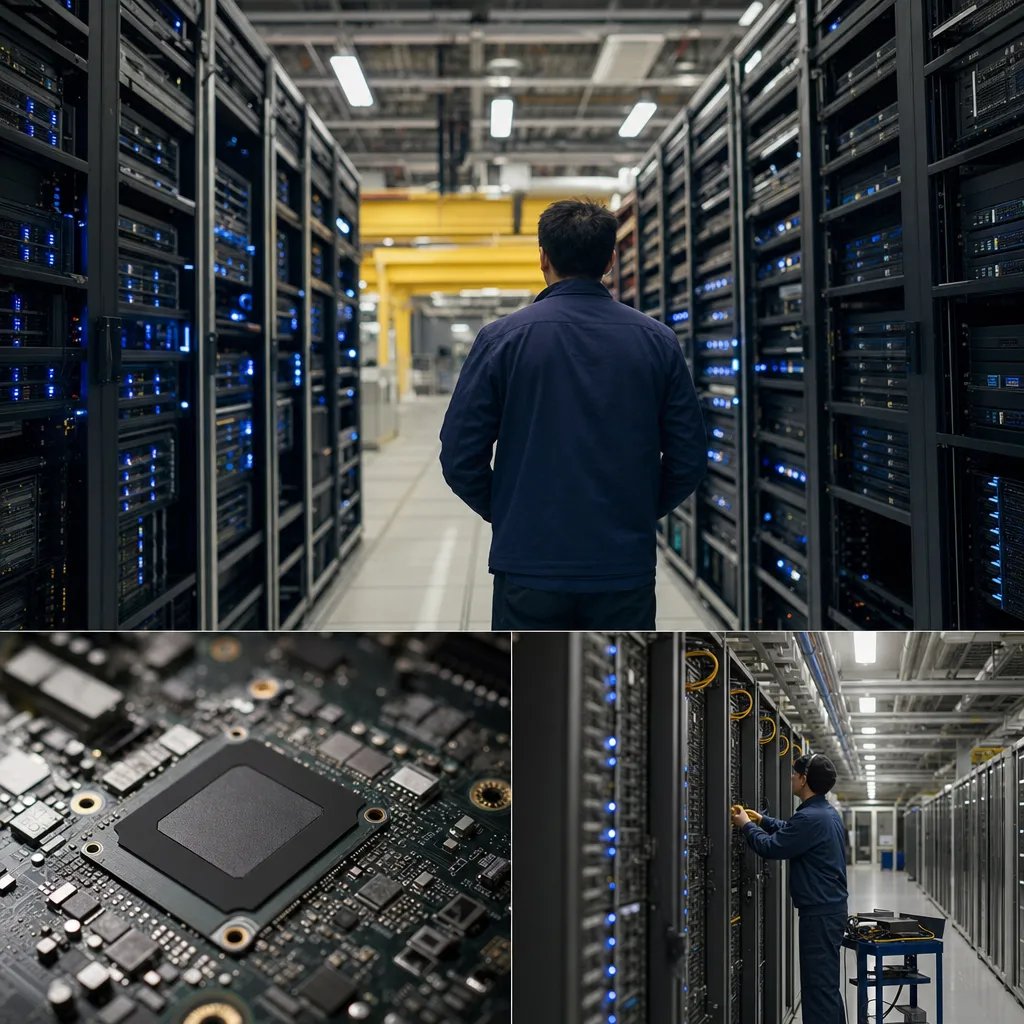
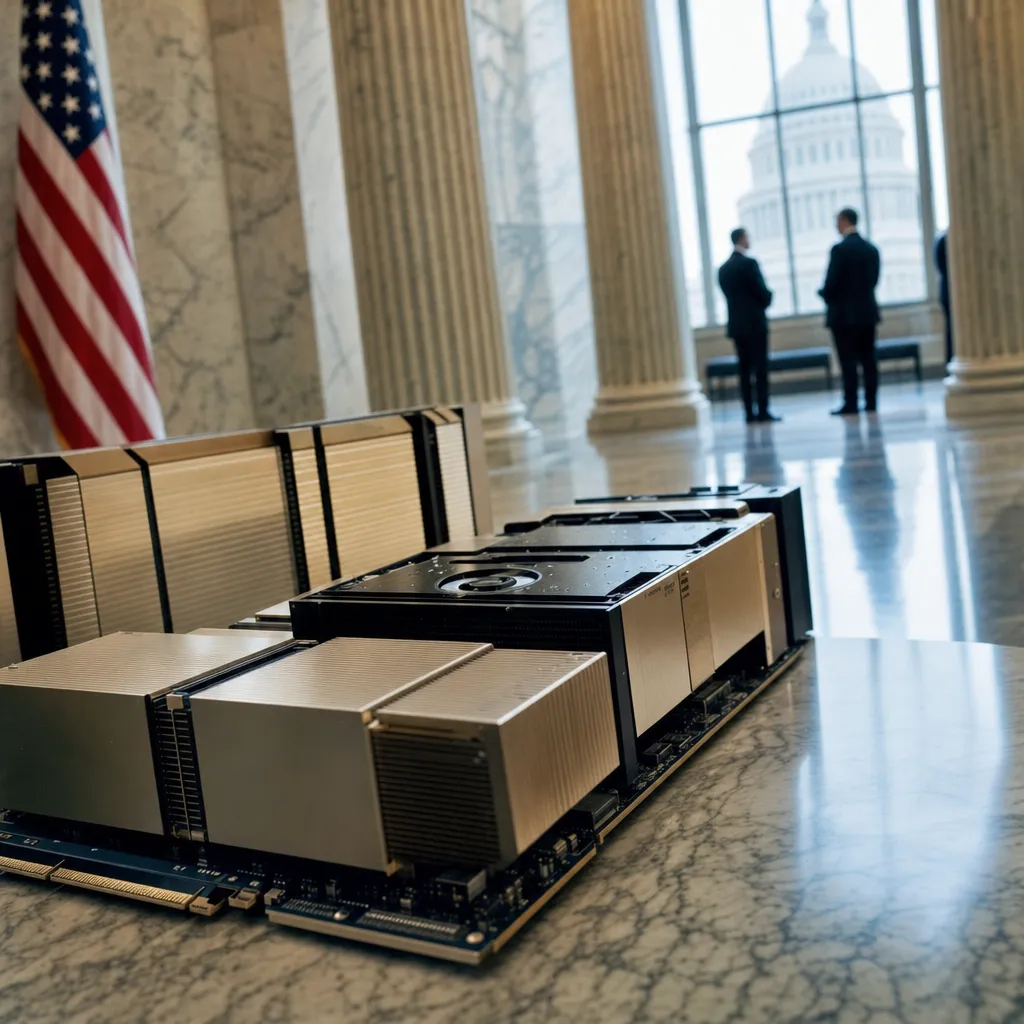
New US regulations bar Chinese entities from remotely accessing advanced AI chips via cloud logins — the first time hardware export controls have been extended to cover digital compute consumption.
US Extends AI Chip Export Controls to Block Remote Cloud Compute Access from China
The United States has enacted new regulations barring Chinese entities from remotely accessing advanced AI chips and servers via cloud logins, extending hardware export controls to cover digital compute consumption for the first time. The move treats remote access to US-hosted AI infrastructure as a controlled resource equivalent to physically shipping a restricted chip — a conceptual expansion that shifts enforcement responsibility from customs officials to cloud providers and cybersecurity teams.
Why This Is a Different Kind of Export Control
Traditional chip export controls work at the border. The Commerce Department restricts which hardware can be shipped to which countries, and enforcement happens when goods clear customs. The new regulations address a gap that has been widening for years: a Chinese company that cannot import an Nvidia H100 can still run workloads on one through AWS, Microsoft Azure, or Google Cloud without ever taking physical possession of the chip.
The legal logic is a significant extension of existing authority. Export control law has historically governed physical goods and some categories of technical data, but defining a cloud compute session as a "controlled export" is new ground. The administration is effectively arguing that a Chinese entity using a restricted GPU's processing cycles — regardless of where that GPU sits — receives the same material benefit as importing the chip directly.
Under the new rules, US cloud providers are required to verify the nationality and end-use of customers seeking access to compute clusters that meet certain performance thresholds. The specific thresholds have not been fully disclosed, but they are understood to target the class of hardware used for large-scale AI training — Nvidia H100s, A100s, and their successors, as well as equivalent AMD and custom accelerators.
The Enforcement Problem
Customs enforcement is straightforward in comparison to what this rule requires. Cloud providers must now implement:
Get this in your inbox.
Daily AI intelligence. Free. No spam.
- Customer identity verification beyond standard KYC (Know Your Customer) checks
- End-use monitoring to detect whether compute jobs are being routed or proxied through third-country intermediaries
- Ongoing compliance reporting to Commerce Department regulators
The intermediary problem is not theoretical. Prior reporting has documented Chinese companies routing AI compute purchases through shell companies in Singapore, the UAE, and Southeast Asian intermediaries. The new rules are written to close that pathway by requiring providers to look through corporate structures, but the practical enforcement burden falls on private companies that have historically focused on fraud prevention rather than export compliance.
For US cloud hyperscalers, this is a material compliance expansion. AWS, Microsoft Azure, and Google Cloud collectively hold the largest share of global AI compute infrastructure. Each will need to build or expand export compliance programs that can operate at the speed of cloud provisioning — a category of problem that customs enforcement has never had to solve.
What Changed — and What Didn't
The existing hardware export controls remain in place. This rule adds a layer on top, covering:
- Remote access to restricted compute classes via cloud APIs and login credentials
- Brokered compute access through cloud marketplace intermediaries
- API-based model inference on restricted hardware where the model serves restricted-country customers
What the rules do not cover, at least in this iteration: open-weight models downloaded and run on domestic Chinese hardware. The controls target US-hosted infrastructure, not the spread of model weights themselves — a distinction that matters as China's domestic semiconductor industry continues to develop alternatives.
Implications for the AI Race
The regulations arrive as the US-China AI development gap has narrowed meaningfully. Chinese labs have demonstrated competitive frontier models using domestically produced chips and, more importantly, through creative use of foreign cloud compute during training runs. If enforced effectively, the rules remove one of the primary pathways Chinese labs have used to access the compute density needed for large-scale training.
Three industries that feel this immediately:
- US cloud providers — compliance costs and potential revenue loss from Chinese enterprise customers currently using cloud compute legally
- AI startups operating globally — teams with China-based researchers or infrastructure partners will need legal review of how they provision compute
- Chinese AI labs — forced to accelerate domestic semiconductor alternatives or face training compute constraints on frontier models
What to Watch
Watch how US cloud providers respond in the next 60 days — whether they implement blanket restrictions on China-linked accounts or build granular verification systems. Also watch for Commerce Department guidance on the thresholds, since the specific hardware classes covered will determine whether the rule applies broadly or narrows to only the highest-performance clusters. Any diplomatic response from Beijing will indicate whether this rule triggers reciprocal action on the Chinese cloud services and hardware that US companies increasingly depend on.
Did this help you understand AI better?
Your feedback helps us write more useful content.
Get tomorrow's AI briefing
Join readers who start their day with NexChron. Free, daily, no spam.