President Trump told 60 Minutes he doesn't mind guardrails on AI — a notable shift from his September dismissal of safety concerns as a 'hoax,' as Democrats prepare congressional hearings.
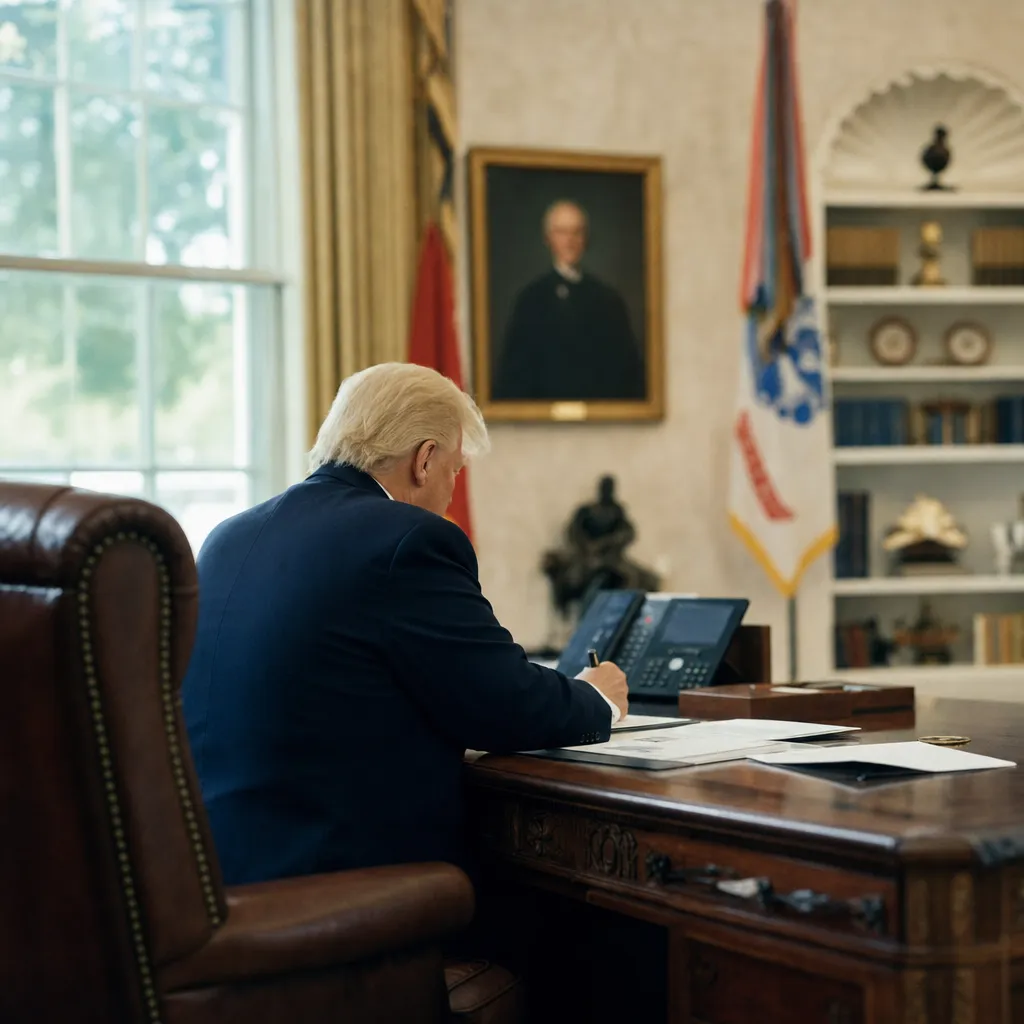
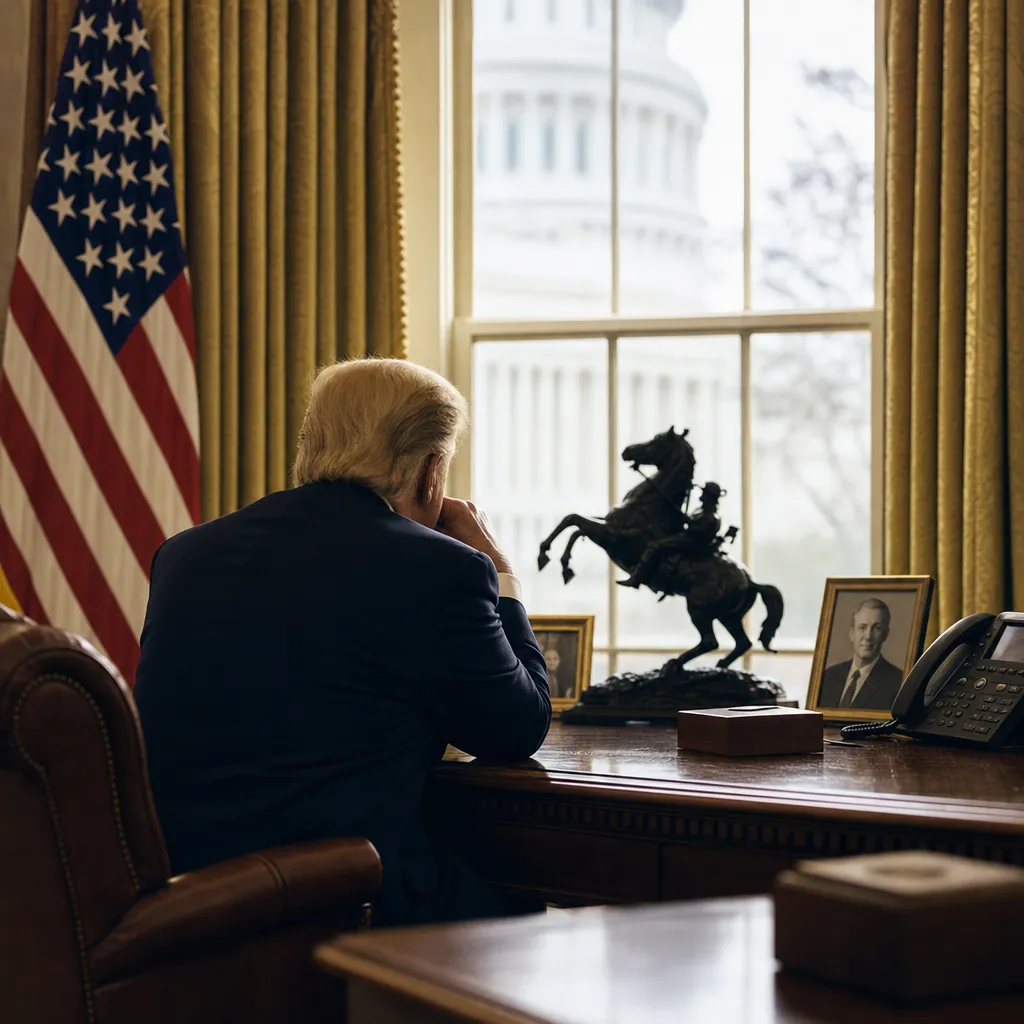
President Trump told CBS's 60 Minutes he "doesn't mind guardrails" on artificial intelligence and described AI risks as "manageable" — a notable shift from his September dismissal of AI safety concerns as a "hoax." The interview aired Sunday and immediately triggered Democratic preparations for formal congressional AI safety hearings.
The reversal is conditional. Trump made clear that any safety limits must keep the United States ahead of China in AI development, saying he would not accept regulations that place America "in a deep second position." That framing defines the outer boundary of whatever bipartisan talks might follow.
How We Got Here
Trump's September stance was blunt: AI safety concerns were political noise. His administration rolled back several Biden-era executive order provisions on AI transparency and testing, and the White House AI policy office shifted its focus almost entirely toward deregulation and export competitiveness.
According to Startup Fortune's coverage of the 60 Minutes interview, Sunday's comments mark a departure from that posture — framed not as a change of principle but as a pragmatic adjustment. The administration appears to be responding to political pressure as AI accountability becomes a more salient issue following the midterm cycle.
What Moved the Needle
Three factors appear to have shifted the administration's position:
Get this in your inbox.
Daily AI intelligence. Free. No spam.
- Midterm results. AI safety polled strongly in several swing-state races, particularly around deepfakes and AI-generated fraud. Democrats who ran on AI accountability outperformed baselines in key districts.
- Industry alignment. Major AI labs — Anthropic, OpenAI, and Google DeepMind — have all publicly supported some form of federal AI oversight, undercutting the narrative that regulation would only harm U.S. competitiveness.
- China framing. Reframing guardrails as a competitive tool rather than a restraint gives Trump a way to engage on safety without contradicting his deregulatory identity.
Democrats Prepare Hearings
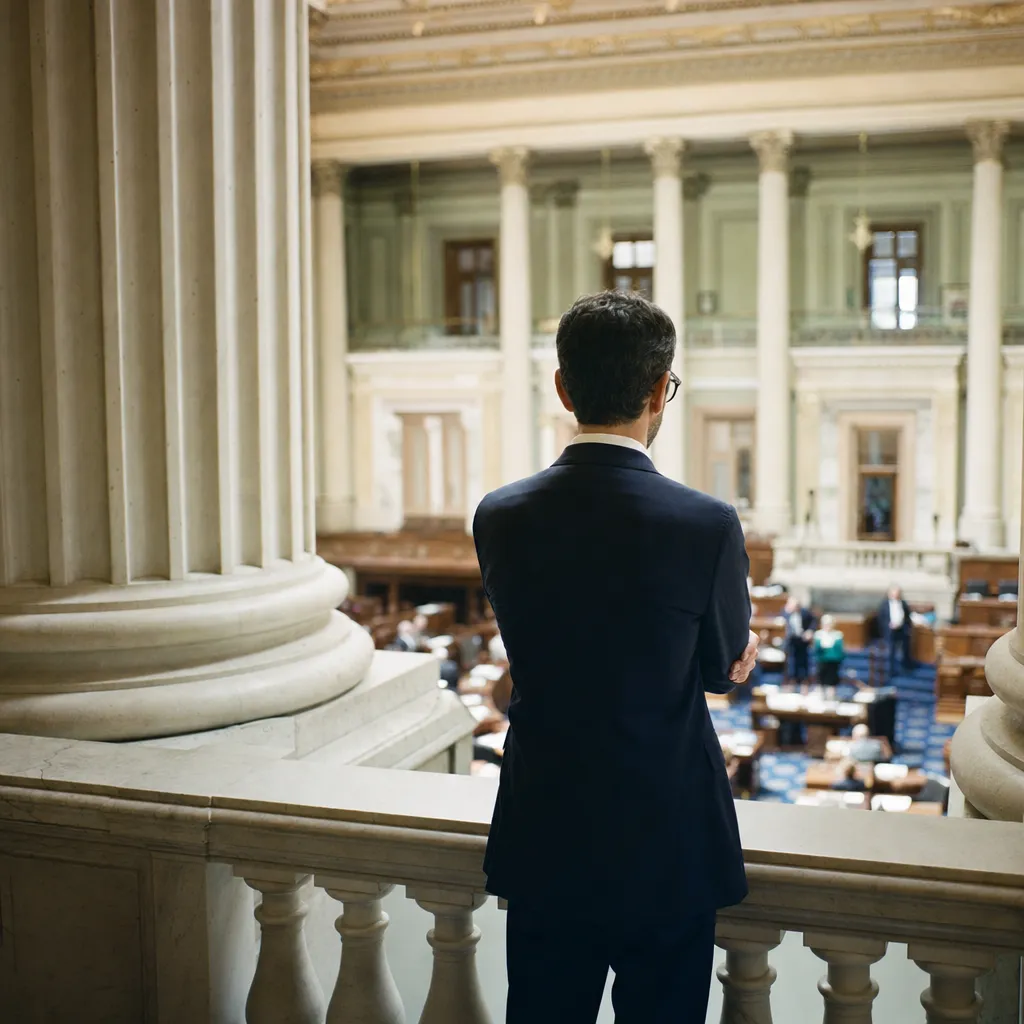
Congressional Democrats are now preparing formal AI safety hearings, treating Trump's 60 Minutes comments as a political opening. Expected focus areas include:
- Frontier model safety standards and testing requirements
- AI-generated deepfakes in elections and financial fraud
- Federal liability frameworks for AI-caused harm
- Mandatory transparency requirements for high-risk AI systems
Whether the administration sends officials to testify will be the first meaningful signal of how serious Sunday's shift actually is.
What It Means for the Industry
For AI companies, a White House open to "manageable" guardrails is a better operating environment than one committed to blocking all regulation — but it introduces genuine uncertainty about what "manageable" ends up meaning. If guardrails are defined primarily by competitive posture against China, the resulting rules could be inconsistent, geographically narrow, or focused on export controls rather than domestic safety standards.
Companies with established Washington presences — Anthropic, Microsoft, Google — are better positioned to shape the definition. Smaller labs and AI startups face a less predictable landscape.
The tech industry's preferred outcome is voluntary standards backed by federal guidance, rather than liability-creating mandates. Whether a Trump-era guardrail framework resembles that approach or takes a harder edge depends heavily on who leads the negotiations.
What to Watch
Expect Senate and House AI subcommittees to announce hearing dates before the end of November. If a White House representative appears as a witness, that confirms genuine engagement. If the administration declines to participate, Sunday's interview was positioning ahead of the holiday recess — not a policy signal.
Did this help you understand AI better?
Your feedback helps us write more useful content.
Get tomorrow's AI briefing
Join readers who start their day with NexChron. Free, daily, no spam.