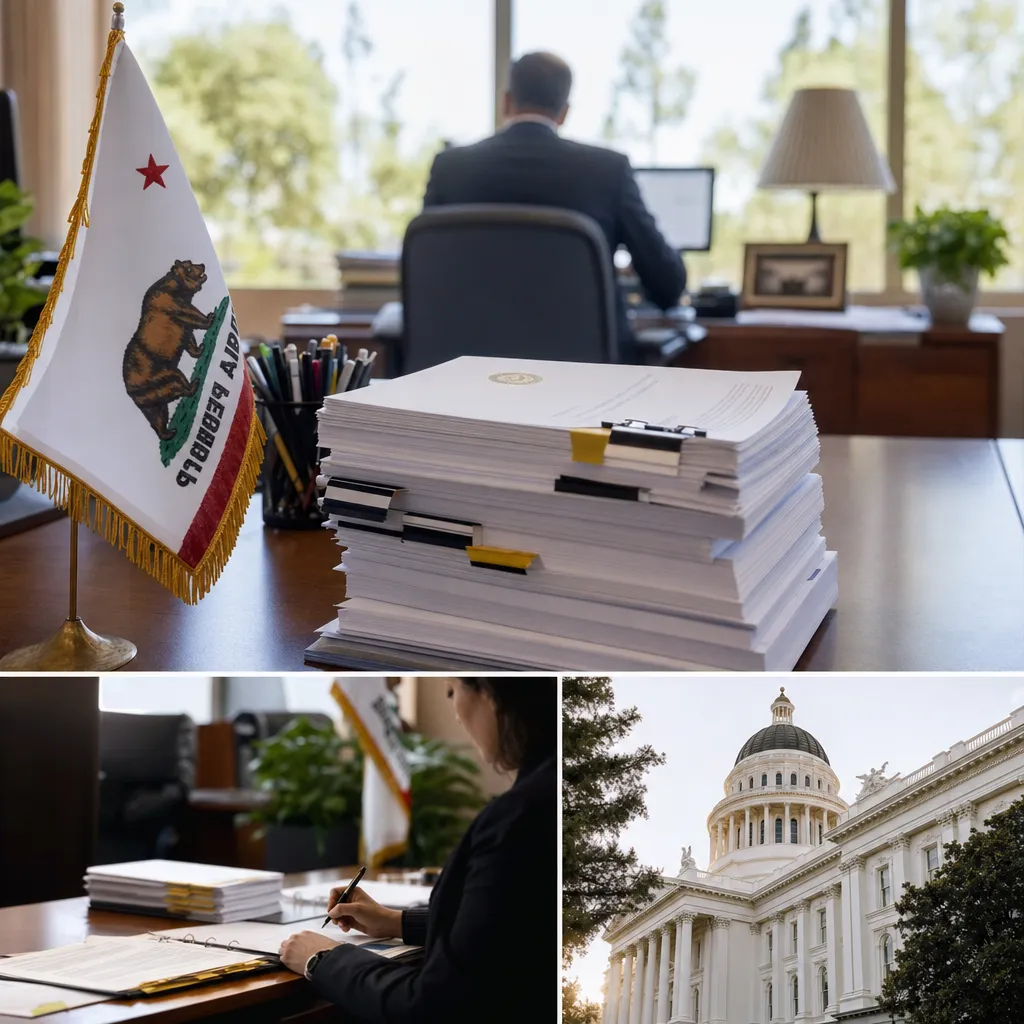
California released SB 813 implementation details, creating the first U.S. state certification program for independent AI safety auditors — a third-party verification layer that Congress has failed to build federally.
California Becomes First State to Certify Independent AI Safety Auditors Under SB 813
By Hector Herrera | November 19, 2026
California released implementation details for SB 813 on November 18, making it the first state in the U.S. to establish a formal certification program for independent organizations authorized to audit AI systems for safety and risk. The move adds a third-party verification layer on top of California's existing AI governance laws — and provides the most detailed state-level blueprint for AI oversight that Congress has so far failed to build at the federal level.
The certification framework means AI developers operating in California will eventually need to submit their systems for review by auditors who have passed state qualification standards, rather than self-certifying compliance. That shift — from self-attestation to independent verification — is the central structural change in how AI systems are governed.
What SB 813 Creates
According to the Office of Governor Gavin Newsom, the new framework includes:
- Certified auditor program: Third-party organizations must meet state qualification standards to conduct AI safety audits
- Mandatory safety standards: Technical benchmarks AI systems must meet before deployment in regulated contexts
- Independent oversight layer: Auditors operate separately from developers, with accountability to the state
- Scope: Covers frontier AI models and high-risk AI deployments within California's jurisdiction
California's AI governance architecture now has three distinct tiers: existing laws covering deepfakes and synthetic content, children's AI protections, and government AI deployment; the frontier-model safety requirements established earlier this year; and now the independent auditor certification layer that makes the first two tiers verifiable.
Get this in your inbox.
Daily AI intelligence. Free. No spam.
Why Third-Party Auditing Changes the Accountability Structure
Self-certification has been the default. Most AI governance frameworks to date — in the EU AI Act, the Biden executive order, and voluntary industry commitments — have relied heavily on developers attesting to their own compliance. That creates obvious incentive problems when the entities being assessed are also the ones writing the safety reports.
Independent certification auditors change the structure. A certified auditor has a professional and legal stake in accurate assessments, faces liability for negligent reviews, and operates under state-defined standards rather than the developer's preferred framing.
The practical effect: if you deploy a covered AI system in California and a certified auditor finds violations, you can no longer point to your internal safety team's sign-off as a defense.
What This Means for AI Developers
Any company deploying frontier models or high-risk AI systems in California — which includes virtually every major AI lab and enterprise AI vendor — now has a certification and audit obligation to plan for. That means:
- Budget for external audits. Third-party AI safety audits are a new cost center. Pricing will likely follow the pattern of financial audits or cybersecurity penetration testing: expensive for large systems, more accessible as the market matures.
- Documentation discipline. Auditors need to review training data provenance, safety testing records, and deployment monitoring. Teams that have kept informal records will need to formalize them.
- Lead time. Certification programs take months to stand up. AI developers that want to be in California's first certified-auditor pipeline should engage now.
The Federal Vacuum and California's Model
Congress has failed to pass comprehensive federal AI legislation despite years of hearings and draft bills. That failure leaves California's framework as the de facto national standard for AI-intensive industries — the same dynamic that made California vehicle emissions standards effectively set the national bar for automakers.
The auditor certification model is exportable. Other states watching California's AI governance rollout will likely adopt similar certification frameworks, particularly as AI liability cases move through the courts and state legislatures look for concrete mechanisms to demonstrate oversight.
What to Watch
Watch for the first class of certified auditors to receive state approval — that timeline will determine when mandatory audits become operational. Also watch for other large states (New York, Texas, Illinois) to reference SB 813's framework in their own pending AI legislation. The national patchwork of AI oversight may effectively consolidate around California's model by default.
Did this help you understand AI better?
Your feedback helps us write more useful content.
Get tomorrow's AI briefing
Join readers who start their day with NexChron. Free, daily, no spam.