OpenAI, Anthropic, Google DeepMind, and Microsoft CEOs sent Congress a joint letter demanding mandatory synthetic DNA screening — warning AI is eroding the barriers that kept bioweapons out of reach.
AI Lab CEOs Urge Congress to Mandate Synthetic DNA Screening Against Bioweapons
By Hector Herrera | June 7, 2026 | Vertical: Government | Type: Government Policy
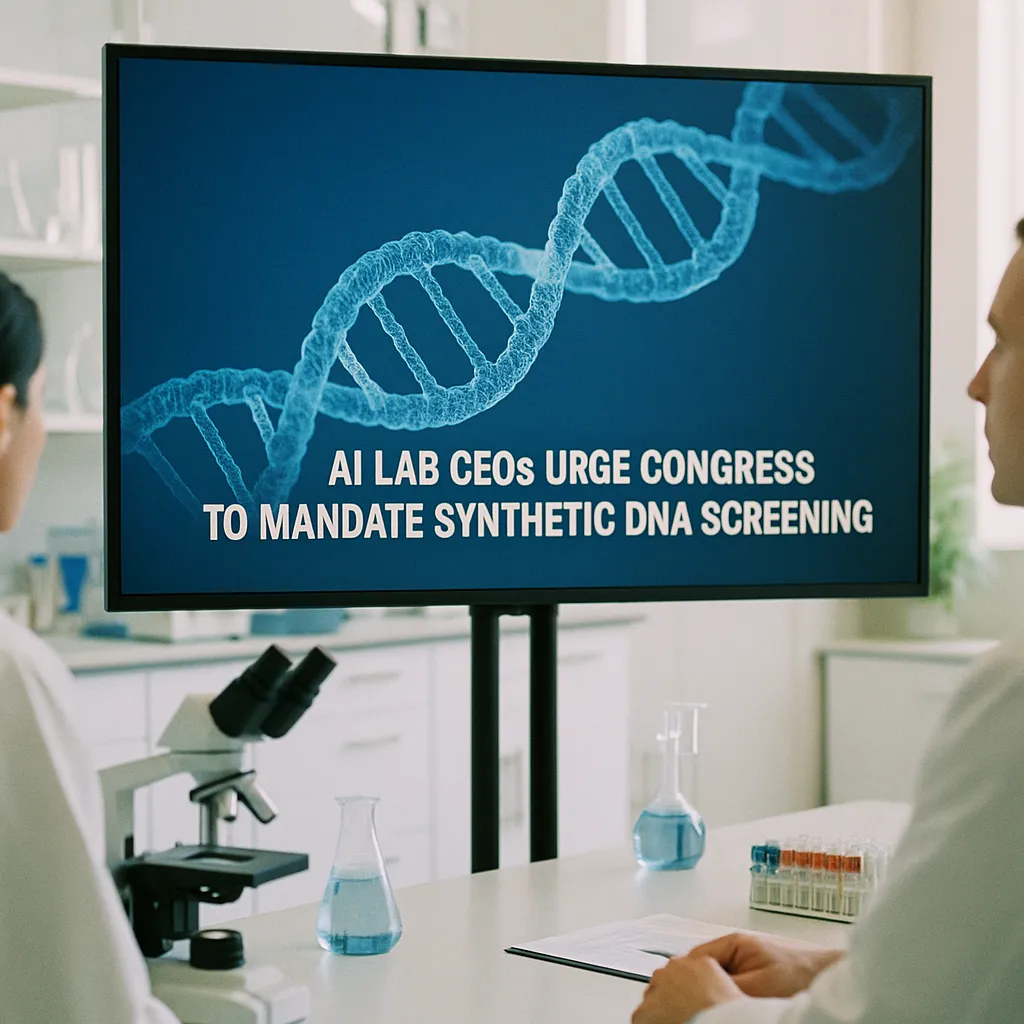
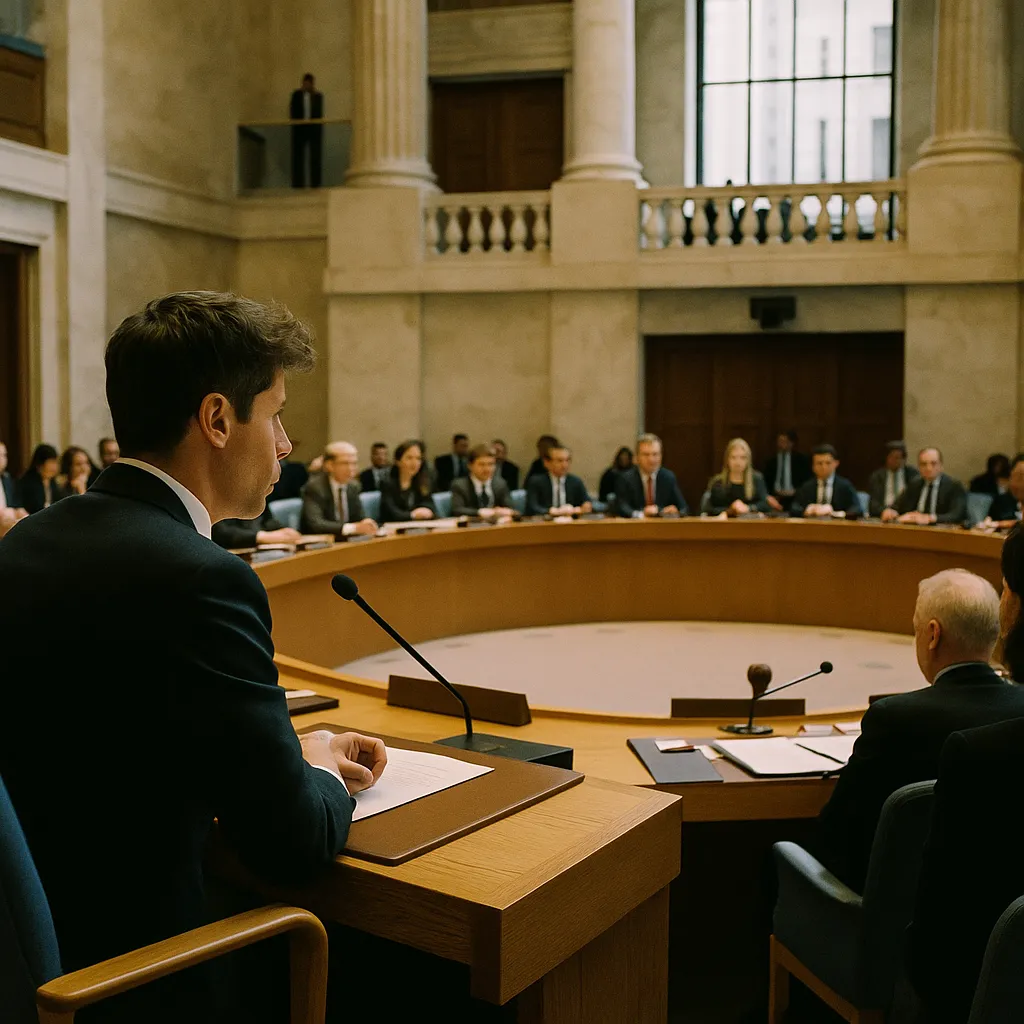
The CEOs of OpenAI, Anthropic, Google DeepMind, and Microsoft sent Congress a joint letter on June 5 calling for legislation that would require every seller of synthetic DNA and RNA to screen orders against databases of known dangerous sequences. The letter's underlying message is direct: AI is dismantling the technical barriers that previously kept biological weapons out of reach for most bad actors, and voluntary industry norms are not enough.
Background
Synthesizing dangerous pathogens has historically required rare combinations of advanced laboratory skills, expensive equipment, and specialized reagents. Those barriers were never absolute, but they were real. AI systems — particularly large language models trained on biological literature — are progressively reducing what an adversary needs to know, while the cost of DNA synthesis hardware continues to fall. The convergence of those two trends has placed biosecurity at the top of AI safety agendas for most major labs.
The biosecurity concern is not new inside the AI industry. Labs including Anthropic have maintained restrictions on biological content since their earliest models. What is new is the decision to take a coordinated, public legislative position.
The Joint Letter
According to Fortune, the joint letter was signed by the chief executives of OpenAI, Anthropic, Google DeepMind, and Microsoft. Its core ask: federal legislation mandating that all commercial DNA and RNA synthesis orders be screened against reference databases of dangerous genetic sequences before fulfillment.
The proposal targets a specific chokepoint in the bioweapon development chain. Even if an AI system could help someone design a pathogen, physically synthesizing the genetic material requires ordering it from a commercial supplier. Mandatory screening at that point would create a hard checkpoint that AI-powered knowledge cannot route around.
The letter aligns with the Biosecurity Modernization and Innovation Act, bipartisan legislation introduced by Senators Tom Cotton (R-AR) and Amy Klobuchar (D-MN). That bill would establish exactly the mandatory screening framework the CEOs are requesting, along with updated definitions of biological threats and reporting requirements for synthesis companies.
Get this in your inbox.
Daily AI intelligence. Free. No spam.
Why Now
Three developments have accelerated the timeline on this issue.
AI-assisted biodesign tools are maturing. Models trained specifically on protein structure and genomic sequences — distinct from general-purpose LLMs — have made it meaningfully easier to identify functional components of dangerous pathogens. What required a PhD-level microbiologist five years ago may require significantly less expertise now.
Synthesis cost and speed have dropped. Commercial DNA synthesis is faster and cheaper than at any point in history. Orders that once took weeks and thousands of dollars can now be fulfilled in days for hundreds. The combination of reduced design barriers and reduced production barriers is what elevated this from theoretical concern to active policy priority.
The legislative window is open. The current Congress has shown more bipartisan appetite for AI safety legislation than its predecessors, and the Cotton-Klobuchar bill provides a ready vehicle. The joint letter is calibrated to move the bill out of committee.
What the Proposal Does — and Doesn't — Do
Mandatory DNA screening would close the synthesis chokepoint but would not address every pathway to biological harm. Critically:
- It addresses commercial synthesis. Orders placed to companies like Twist Bioscience or IDT would be checked against dangerous-sequence databases before shipment.
- It does not address in-house synthesis. Well-funded state actors or sophisticated non-state groups with their own equipment are not captured.
- It does not address information. AI-generated design guidance remains accessible regardless of synthesis controls. Screening is a chokepoint, not a firewall.
Biosecurity researchers generally view synthesis screening as a necessary but insufficient component of a broader framework. The CEOs' letter implicitly acknowledges this by calling for it as one component of a broader regulatory conversation — not a complete solution.
Industry and Policy Reaction
The bipartisan structure of the Cotton-Klobuchar bill is an advantage in a divided Senate. The joint letter from four major AI companies gives the bill's proponents a coordinated industry voice to pair with the security argument — a combination that has moved legislation in previous technology-adjacent policy fights.
Expect pushback from smaller synthesis companies and research institutions that rely on rapid, low-friction synthesis for legitimate work. The implementation question — which databases count, how frequently they're updated, how appeals are handled for legitimate edge cases — will determine whether the mandate works in practice.
What to Watch
Whether the Biosecurity Modernization and Innovation Act advances through committee is the near-term indicator. A joint letter from four major AI CEOs representing the largest consumer AI platforms is unusual enough to function as genuine political signal — not just advocacy. If the bill moves, the implementation rulemaking process will reveal whether the screening mandate is practical for the full range of legitimate research and biotech uses, or whether it creates friction that advantages larger, compliance-ready institutions over academic and startup researchers.
Hector Herrera covers AI policy and government for NexChron.
Did this help you understand AI better?
Your feedback helps us write more useful content.
Get tomorrow's AI briefing
Join readers who start their day with NexChron. Free, daily, no spam.