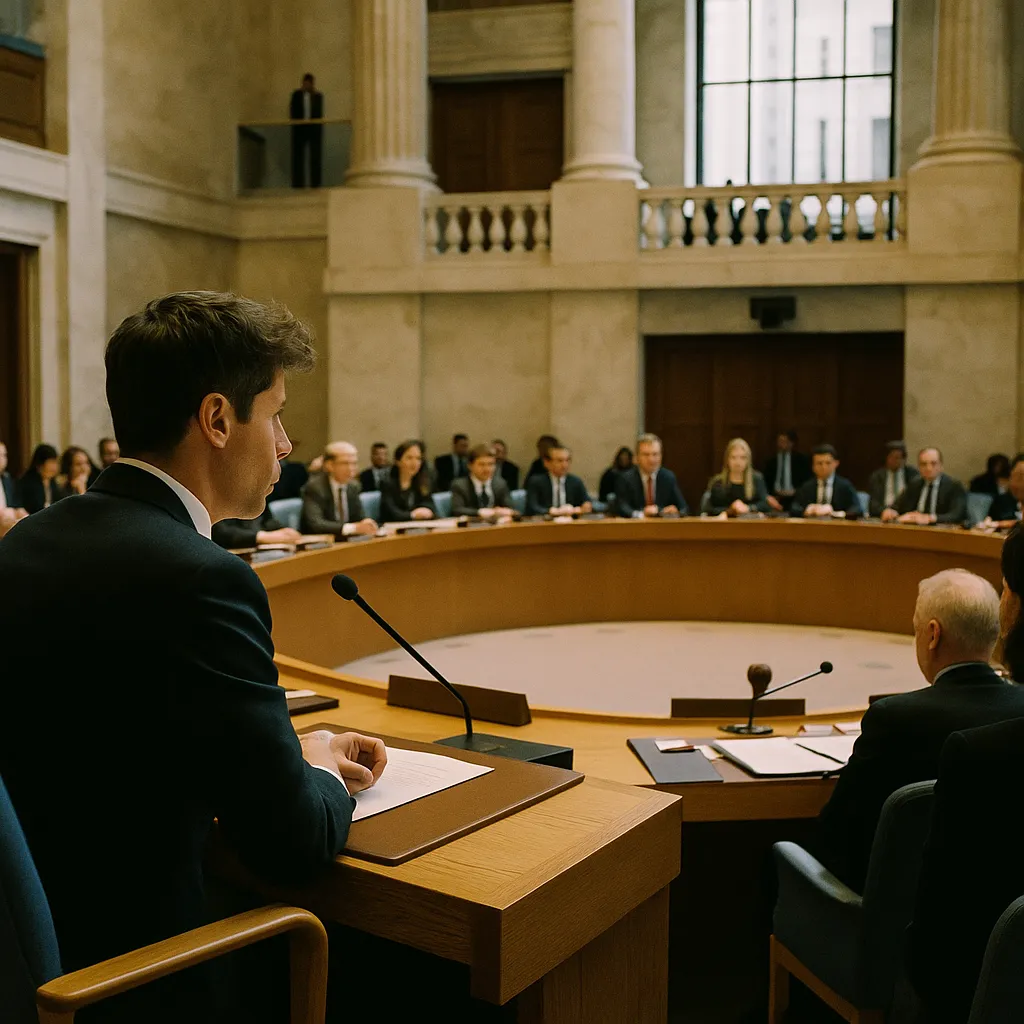
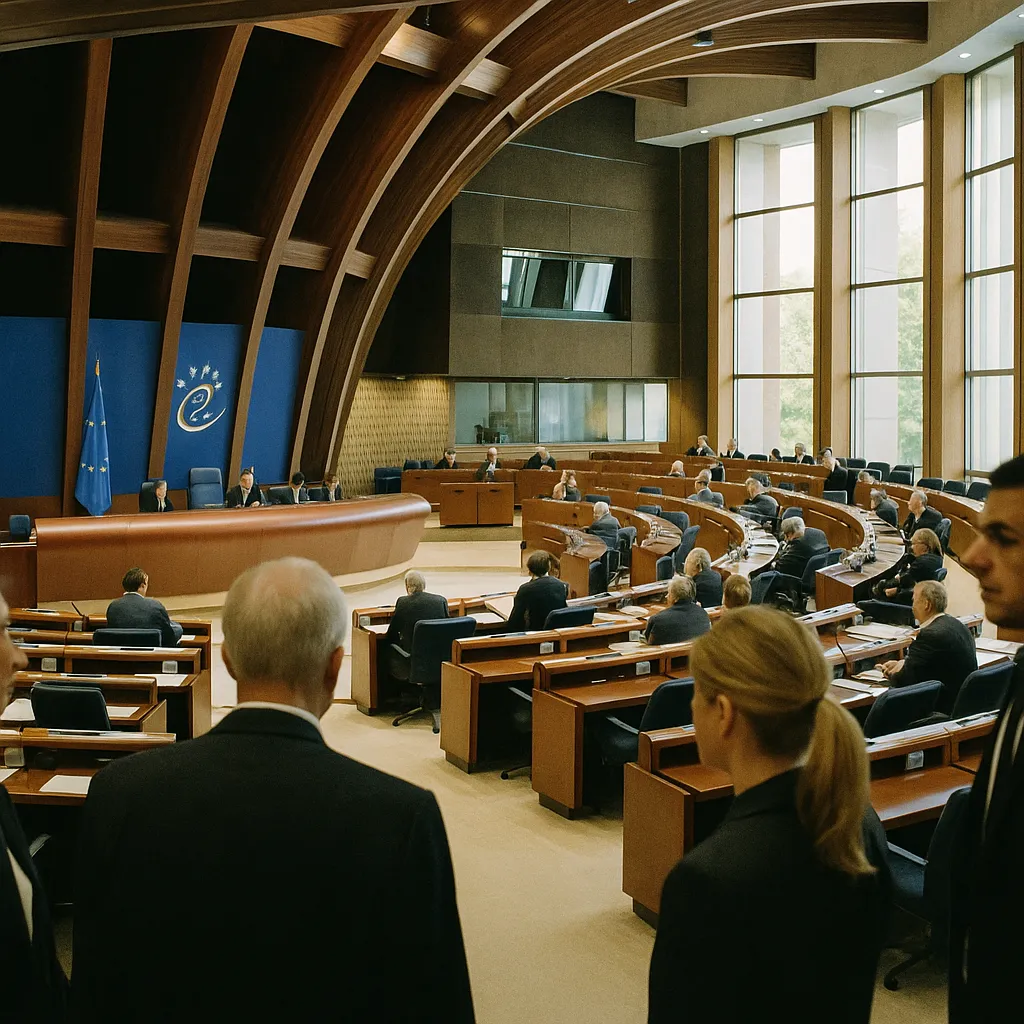
A bipartisan House bill would preempt state AI laws for three years while Congress drafts a federal framework. Major unions call it a giveaway to the AI industry.
Bipartisan 'Great American AI Act' Would Freeze State AI Laws for Three Years — Labor Pushes Back Hard
By Hector Herrera | June 5, 2026
A bipartisan pair of House members has released a 269-page draft bill that would block states from enforcing their own AI development laws for three years while Congress builds a federal framework — and major unions wasted no time calling it a corporate giveaway. The Great American Artificial Intelligence Act is the most sweeping federal AI governance proposal to date, and its preemption provision is already drawing a sharp political battle line.
The Bill
Representatives Jay Obernolte (R-CA) and Lori Trahan (D-MA) released the discussion draft on June 4, 2026. The bill would:
- Preempt state AI laws for three years, blocking states from enforcing legislation that governs AI development or deployment during that window
- Create a federal AI governance framework, including requirements around transparency, safety testing, and accountability for high-risk AI systems
- Establish federal oversight authority, though the specific agency or commission structure isn't yet finalized in the discussion draft
The bipartisan framing — one Republican, one Democrat — gives the bill credibility in both chambers. Roll Call reported the release and noted it's a discussion draft, meaning it's intended to solicit feedback before formal introduction.
Why Preemption Is the Flashpoint
As of mid-2026, more than 30 states have passed or are actively advancing AI-related legislation. Colorado's AI Act takes effect June 30. California has multiple bills moving through committee. The EU AI Act is now partially in force across the Atlantic.
The Great American AI Act's three-year preemption would functionally freeze that state-level activity. Supporters argue this creates regulatory certainty for AI developers who otherwise face a patchwork of 50 different compliance regimes. Critics argue it eliminates the only functioning AI oversight in the country while Congress — which has spent three years failing to pass any AI legislation — tries again.
Labor's Response
The backlash from labor was immediate and coordinated. The American Federation of Teachers (AFT) and the Association of Flight Attendants (AFA) issued a joint statement calling the bill "a giveaway to the AI industry" and demanding Congress reject it.
Get this in your inbox.
Daily AI intelligence. Free. No spam.
Public Citizen, the consumer advocacy group, went further, calling the preemption provision "a disastrous proposal that Big Tech is celebrating."
The labor objections center on a specific concern: AI is already displacing workers in education, aviation, and dozens of other sectors. State laws have been the primary vehicle for worker protections — transparency requirements, right-to-explanation provisions, prohibitions on automated hiring decisions — because Congress hasn't acted. A three-year preemption removes those protections while the federal replacement is being drafted.
That's not a hypothetical. Colorado's AI Act, which takes effect in three weeks, would be preempted before it ever applies to a single case.
Industry's Position
The tech industry has consistently supported federal preemption over state patchwork. The argument: if you build an AI product, you shouldn't need to comply with different transparency rules in California, Illinois, Texas, and 47 other states. A single federal standard lowers compliance costs and accelerates deployment.
That argument has genuine merit from an operational standpoint. The disagreement is over timing: preempting existing state laws before a federal replacement exists leaves a governance gap, not just a simplification.
Political Trajectory
Discussion drafts in Congress are a form of structured trial balloon. The bill's sponsors will gauge reaction — from industry, labor, civil society, and colleagues — before deciding how to proceed. The bipartisan framing is significant; purely partisan AI bills have gone nowhere in recent sessions.
The three-year preemption window is almost certainly a negotiating position. Expect it to be a primary target for amendment, either to shorten the window, carve out specific state protections (worker rights, consumer protections), or condition preemption on the federal framework actually being enacted.
What to Watch
Two near-term signals will indicate whether this bill has momentum: committee hearing scheduling in the House Energy & Commerce Committee, which has jurisdiction over tech policy, and whether Senate counterparts emerge. A companion Senate bill would signal this is a serious legislative push rather than a messaging exercise. Watch also for which tech companies publicly endorse the bill — their names will shape the political narrative around whether this is a pro-innovation framework or industry capture.
Sources: Roll Call — Bipartisan AI draft proposes three-year preemption of state laws
Did this help you understand AI better?
Your feedback helps us write more useful content.
Get tomorrow's AI briefing
Join readers who start their day with NexChron. Free, daily, no spam.