Sanxingdui: Future Memories cost 10 million yuan to produce and is forecast to earn under 150,000 yuan total — a commercial collapse that reveals consumer resistance to fully AI-generated storytelling is about absent human performance, not visual quality.
China's First All-AI Film Earns Less Than 1% of Its Production Budget at the Box Office
By Hector Herrera | October 26, 2026 | vertical: creative | type: vertical-article
China's first theatrically released film with fully AI-generated actors, voices, and backdrops earned less than 1% of its production budget in presales — and has not improved much since. The numbers are sharp enough to constitute a data point, not just an anecdote.
The Numbers
Sanxingdui: Future Memories cost over 10 million yuan ($1.5 million) to produce. Presale revenue before theatrical release came to 80,000 yuan ($12,000). According to reporting from the Manila Times, total box office is forecast to land below 150,000 yuan ($22,000) — roughly 1.5 cents returned for every dollar spent.
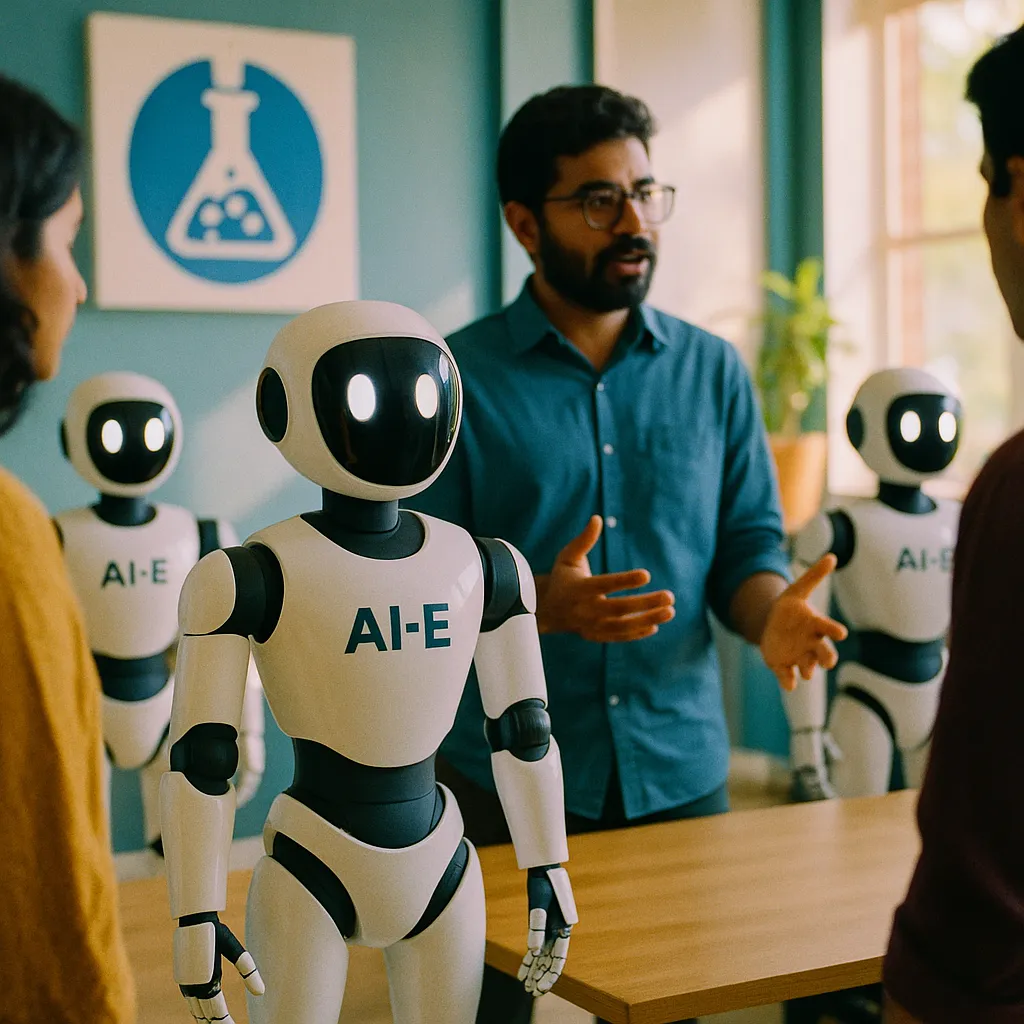
The film uses fully AI-generated actors and voices alongside AI-created environments based on the Sanxingdui archaeological site in Sichuan — a Bronze Age civilization whose striking bronze masks have become a symbol of Chinese cultural heritage. The filmmakers chose a subject with built-in national cultural resonance and still could not sell tickets.
What the Failure Reveals
The commercial collapse is not primarily a technical failure. Current-generation AI visuals are competent enough to produce coherent images and movement. The problem is audience psychology.
Get this in your inbox.
Daily AI intelligence. Free. No spam.
Chinese moviegoers, like their counterparts in the US and Europe, appear unwilling to pay cinema prices for an experience they know was generated without human actors or a human director's creative choices. This matters because it contradicts a common assumption in creative AI circles — that consumer acceptance of synthetic content is primarily a quality problem, and that higher quality will eventually close the gap.
The Sanxingdui failure suggests quality is not the primary objection. The objection is to the absence of human performance. What audiences pay for in a cinema is not images — it is the knowledge that a human did something difficult and interesting to create them.
The Bifurcation Pattern
The same month Sanxingdui was struggling at box offices, three other creative AI stories ran in parallel:
- Netflix announced it is adopting generative AI across multiple production pipeline stages — for visual effects, localization, and pre-visualization — to reduce cost and time while keeping human storytelling at the center
- Music publishers faced Anthropic in federal court over training AI models on copyrighted song lyrics, a case that could affect how all AI creative tools license training data
- Hollywood is steadily integrating AI tools into production infrastructure while maintaining human directors, writers, and performers in front-of-camera roles
The pattern across all four stories is consistent: AI is being rapidly adopted as production infrastructure while facing consumer resistance and legal challenge when positioned as the primary creative output.
Implications for Creative AI Tools
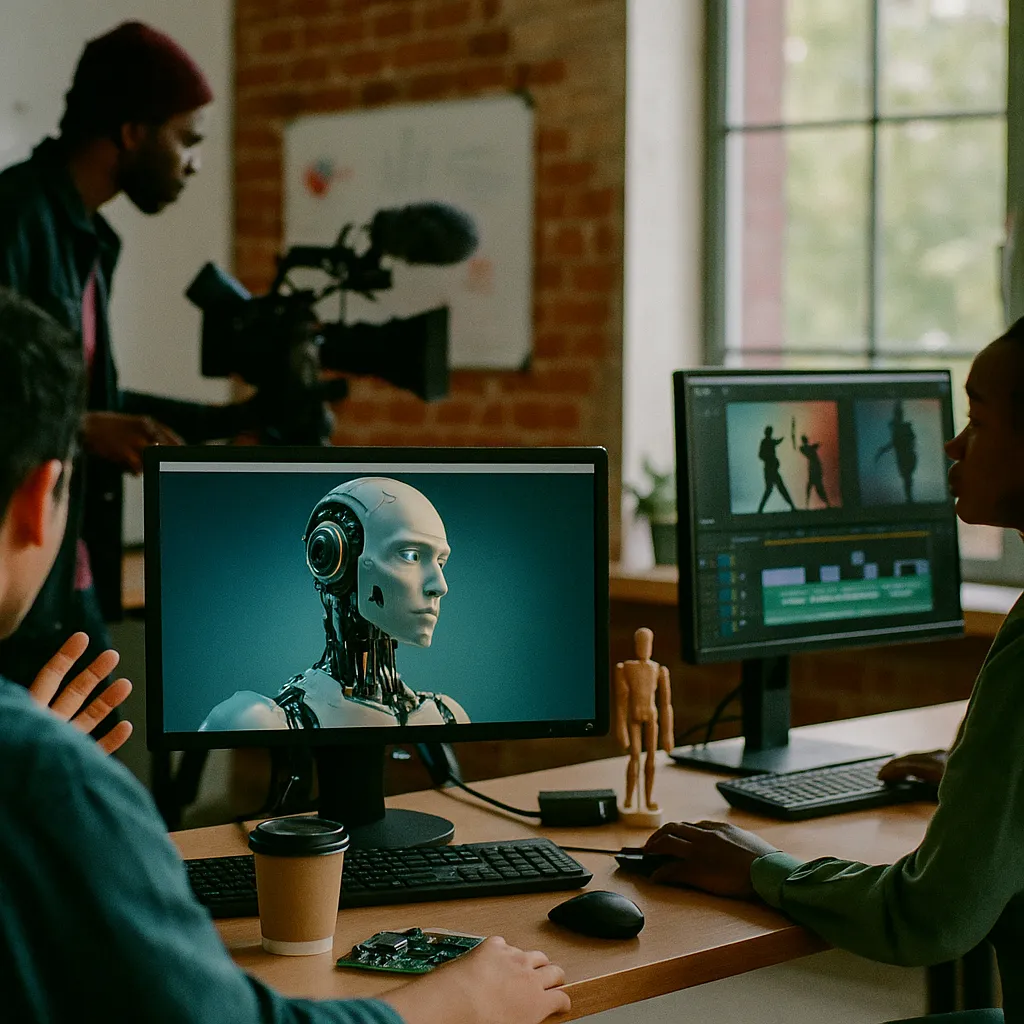
For companies selling AI tools to studios and production companies, the Sanxingdui outcome reinforces the commercial case for AI-as-infrastructure rather than AI-as-auteur. Tools that help human crews work faster — automated rotoscoping, AI-assisted color grading, dialogue cleanup, subtitle generation, pre-visualization — are seeing adoption. Tools positioned as a replacement for human performance are facing rejection at the commercial level and legal pressure at the IP level simultaneously.
The economics of AI film production also work differently than proponents assumed. A $1.5 million AI-generated film does not compete favorably against a $1.5 million human-made independent film on audience appeal, critical attention, or festival positioning. The cost savings relative to a $50 million studio production are real, but not relative to the independent tier AI tools would plausibly compete with first.
What to Watch
Whether the Chinese box office failure triggers industry or regulatory guidance on disclosure requirements for AI-generated theatrical content, and whether any major US or European studio announces a fully AI-generated theatrical release in the next 12 months.
Did this help you understand AI better?
Your feedback helps us write more useful content.
Get tomorrow's AI briefing
Join readers who start their day with NexChron. Free, daily, no spam.