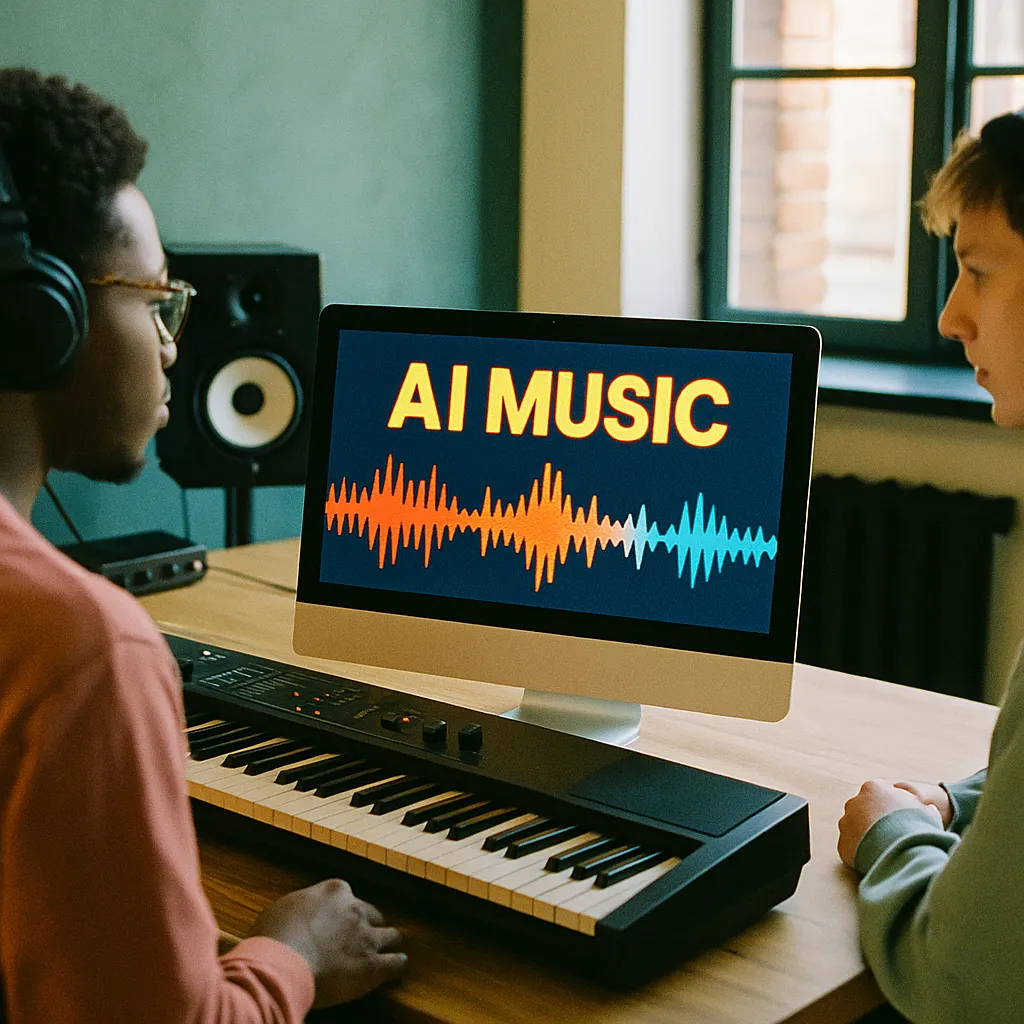
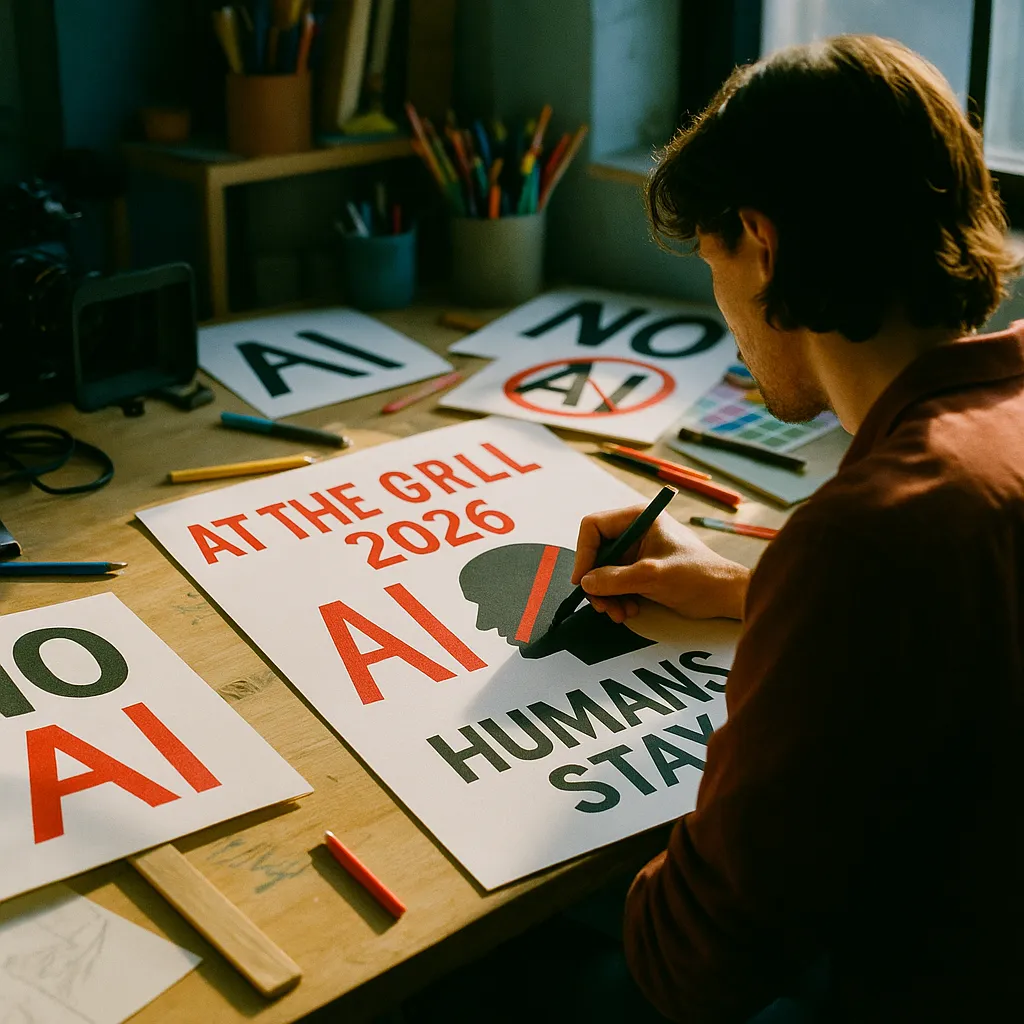
As AI-generated music floods streaming platforms, Kelly Clarkson and other artists are calling for separate AI music charts. Labels and distributors remain divided—and the outcome will shape how AI music is discovered and monetized.
AI Music Volume Triggers Industry Debate Over Separate Charts for Generated Tracks
The surge of AI-generated music on streaming platforms has triggered a formal industry debate: should AI tracks compete on their own charts, separate from music made by humans?
Digital Music News reports that Kelly Clarkson and other artists are publicly calling for distinct AI music rankings, arguing that mixing AI-generated and human-created tracks in the same charts distorts both categories. Labels and distributors remain split on whether separation protects human artists or inadvertently legitimizes AI-generated content by giving it its own discovery surface. The dispute reflects a deeper reckoning with how much of commercial music output is now AI-generated — and who benefits from keeping the categories mixed.
The Numbers Behind the Dispute
This isn't a hypothetical concern. A Luminate report from Q3 2026 found approximately 40% of new music uploaded to major streaming platforms during the quarter showed markers consistent with AI generation. Whatever the precise share, the volume is significant enough to visibly affect chart behavior.
Short AI-generated tracks optimized for streaming metrics — loop-friendly compositions, emotionally consistent moods, designed for playlist placement rather than artistic expression — have been discovered placing on regional and niche genre charts in multiple markets. Human artists and their labels are tracking the pattern.
The Case for Separate Charts
Artists calling for segregated rankings argue the current system creates three distinct problems:
Get this in your inbox.
Daily AI intelligence. Free. No spam.
Competitive unfairness. An artist who spent months writing, recording, and producing an album shouldn't compete on the same chart as a track generated in hours at near-zero cost.
Consumer transparency. Listeners have a right to know whether the music they're streaming was made through a human creative process or an AI model optimizing for engagement metrics.
Economic distortion. AI music that places on charts generates royalties, algorithmic recommendation boosts, and playlist placements — without the cost structure that makes human music creation economically sustainable as a profession.
The Case Against
Labels and distributors resisting separate charts raise concerns that aren't easily dismissed:
The definition problem is real. Most commercial music today involves significant AI assistance — vocal pitch correction, AI-generated beats, AI-assisted mixing. Drawing a clear line between "AI music" and "music made with AI tools" is an unsolved definitional problem at any scale.
Separation may amplify rather than constrain. Creating dedicated AI charts could accelerate AI music discovery by giving it a distinct identity and dedicated discovery surface, rather than letting it blend into the general catalog where human-made music dominates.
Verification at scale is an open problem. No reliable method currently exists for platforms, distributors, and chart compilers to verify AI content consistently across millions of monthly uploads. Any separation policy requires a verification layer that doesn't yet exist.
What to Watch
The Recording Industry Association of America and Billboard have not taken formal positions. The debate is likely to intensify into 2027 as AI music's streaming share continues to grow. The outcome — whether the industry creates separate charts, disclosure labels, or does neither — will establish a precedent for how every creative content category handles the disclosure and competition question when AI-generated work can't be reliably distinguished from human-made work at the point of consumption.
Did this help you understand AI better?
Your feedback helps us write more useful content.
Get tomorrow's AI briefing
Join readers who start their day with NexChron. Free, daily, no spam.