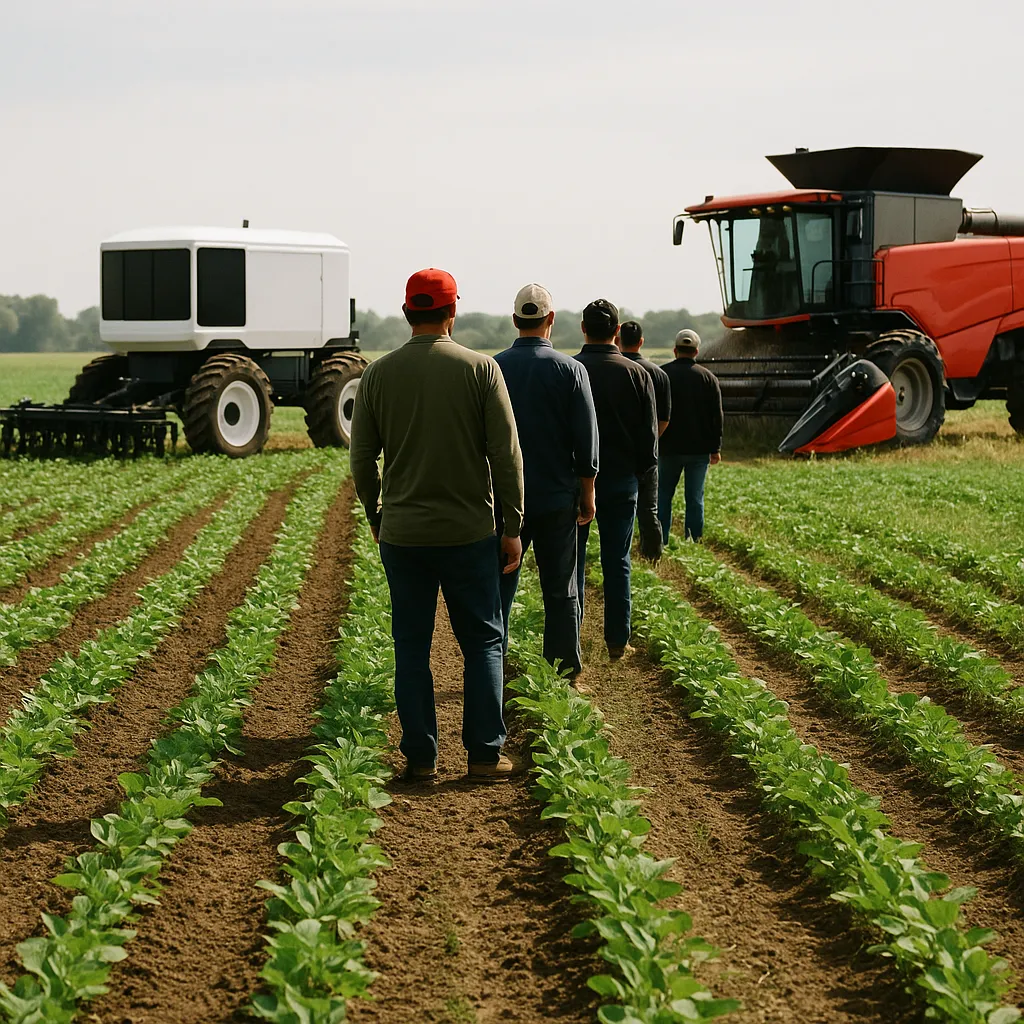
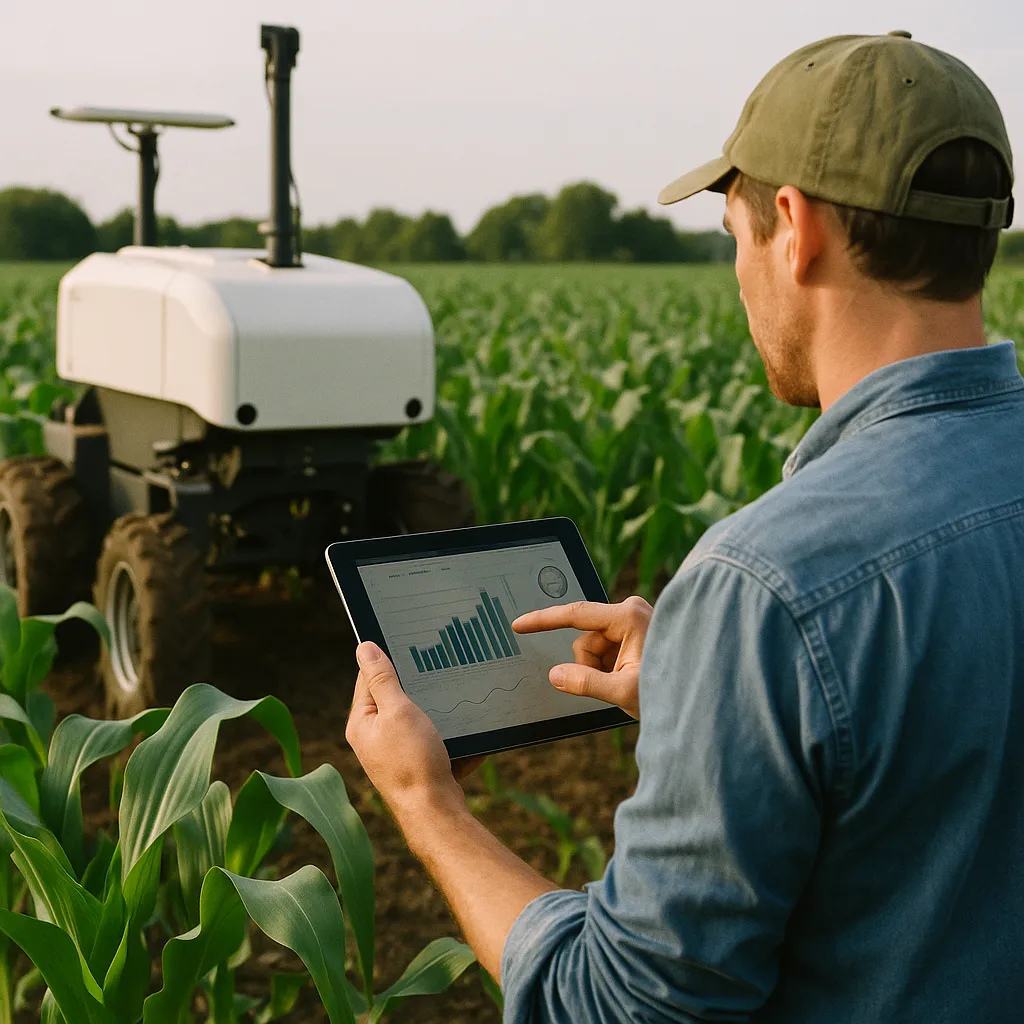
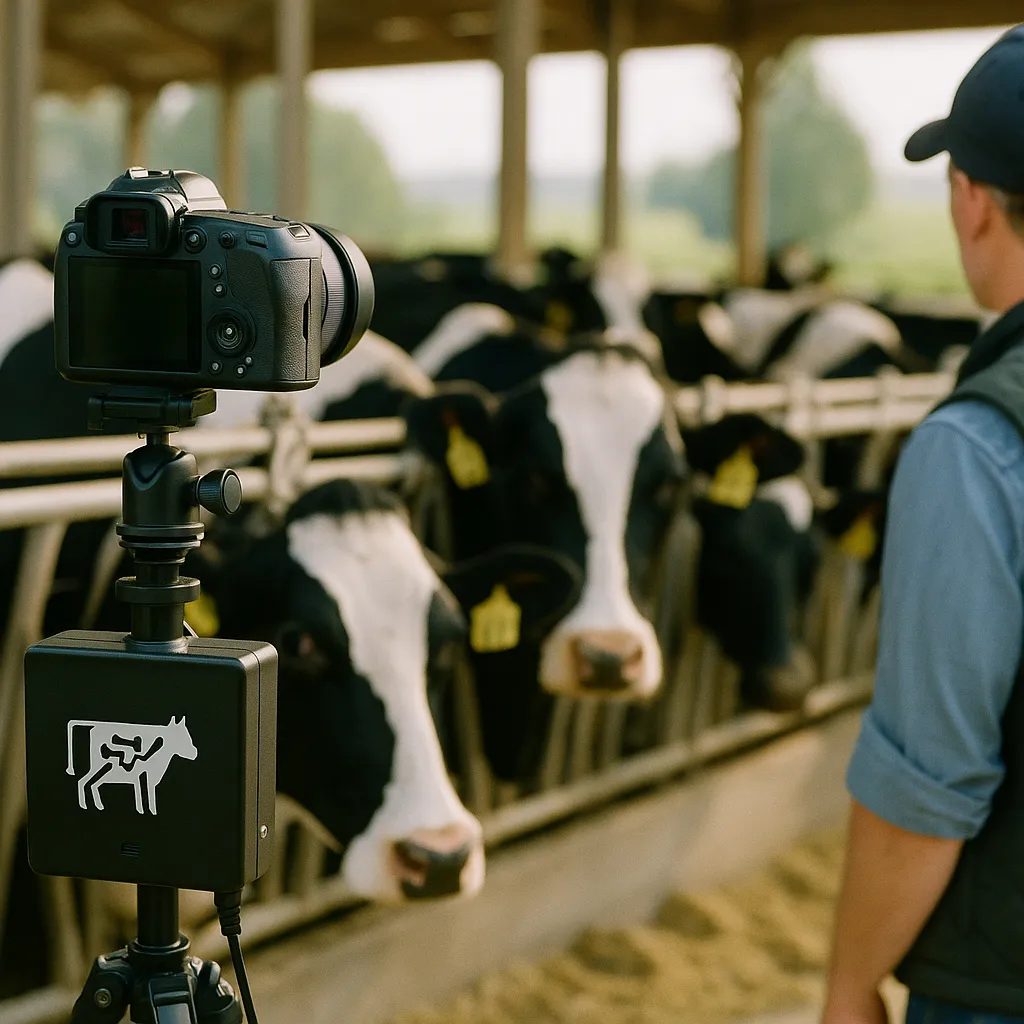
AGCO's 2026 Tech Day near Chicago demonstrated AI precision weed control, autonomous grain cart harvest logistics, and Aurora — an AI assistant that coordinates mixed-brand farm fleets in a single platform.
AGCO Corporation held its 2026 Tech Day near Chicago on October 5, demonstrating a full pipeline of AI and autonomy tools running across the crop cycle — from precision weed targeting in the field to autonomous grain cart coordination during harvest. The event, detailed in an AGCO press release via PR Newswire, also marked the public debut of Aurora, AGCO's AI assistant for its Panorama farm management platform — which can now coordinate mixed-brand equipment across a single operation, a significant step toward AI-unified farm management that doesn't require an all-AGCO fleet.
The mixed-fleet capability is the strategic move buried in an announcement that could otherwise read as a product demo. Most commercial farms in North America run equipment from multiple manufacturers — a John Deere combine bought new, AGCO-brand planters, a Case IH tractor acquired secondhand. AI-assisted farm management that only works within a single brand's ecosystem has a natural ceiling. Aurora's ability to connect mixed fleets into a single AI management layer is AGCO positioning directly against that constraint.
What was demonstrated
AGCO's Tech Day showcased three distinct AI and autonomy capabilities:
Precision weed targeting
The Fendt Rogator sprayer fitted with SymphonyVision demonstrated AI-enabled precision weed targeting — identifying individual weeds in real time and applying herbicide only to weed locations rather than broadcasting across the entire field. Precision spot application of this type can reduce herbicide volumes by 70% to 90% on fields with moderate weed pressure, cutting input costs while meeting increasingly strict European regulations on pesticide use.
The AI component is the real-time image classification that identifies weeds accurately enough, and quickly enough, to trigger individual spray nozzles at field travel speed. This is applied computer vision running at the edge — on the machine, not relying on a cloud connection — a technical constraint that field equipment imposes on every AI application.
Autonomous grain cart coordination
Autonomous grain cart logistics were demonstrated during the harvest sequence. Grain cart management — moving alongside the combine to receive grain, then transporting it to a waiting truck — is one of the more complex autonomous tasks in row crop farming. The cart tractor must maintain precise position relative to a moving combine while navigating around obstacles and responding to variable fill rates from the combine's unloading auger.
Get this in your inbox.
Daily AI intelligence. Free. No spam.
AGCO's demonstration showed this coordination running without a human operator in the cart tractor cab. The labor reduction directly addresses one of the most persistent constraints in large-scale harvest operations: the need for multiple operators simultaneously. A commercial operation that previously required one person in the combine and at least one in the grain cart can now run with fewer people during peak harvest — the most labor-constrained window in the entire crop year.
Aurora: AI across the mixed fleet
Aurora, AGCO's AI assistant within the Panorama precision agriculture platform, is the platform-layer announcement with the longest-term implications. Aurora integrates voice and text commands into farm management, allowing operators to query field data, receive machine performance summaries, and act on agronomic recommendations across equipment regardless of brand.
Panorama now ingests data from non-AGCO equipment through standard telematics interfaces, meaning a farm running a John Deere combine alongside AGCO planters can manage both through a single Aurora-powered interface. The AI layer generates recommendations and flags performance issues across the full equipment set — crop condition alerts, machine diagnostic warnings, application rate optimization suggestions — using data from whatever equipment is connected.
The farm labor context
AGCO's autonomy push is inseparable from the farm labor problem. Agricultural labor shortages have been documented for years, but the 2026 harvest season in major corn and soybean production regions has been particularly acute, with some large operations unable to staff grain carts, sprayers, and secondary tillage equipment fully.
Autonomous grain cart coordination and semi-autonomous sprayer operation don't eliminate human workers — they reduce the number of operators needed to run the same number of acres. A two-person operation that previously needed three people during peak harvest can now run at full capacity. That's the direct economic argument AGCO is making to commercial growers facing the labor market as it actually exists.
Competitive positioning
John Deere has the most visible autonomous farm machinery program globally — its autonomous tractor launched for commercial sale in 2022 and has accumulated substantial operating hours. AGCO is competing on a different axis: rather than leading with a single flagship autonomous product, it's building an AI management layer that spans the full crop cycle and explicitly welcomes mixed-brand data.
That bet expands AGCO's addressable market. The company isn't selling to "all-AGCO farms" — it's selling to any commercial operation willing to use Panorama as its management backbone regardless of equipment mix. Whether farmers will centralize their data management with an equipment manufacturer or with a neutral software platform is an open competitive question. AGCO's mixed-fleet move removes the main objection to choosing an OEM (original equipment manufacturer) platform: that it only works if you buy all your equipment from one source.
What to watch
AGCO Tech Days typically precede commercial launches by one to two growing seasons. Watch for Aurora's full mixed-fleet integration and the autonomous grain cart capability to move toward commercial availability announcements before the 2027 planting season. And watch for John Deere's response to the mixed-fleet positioning — Deere has the platform data and development resources to open its own ecosystem if the competitive pressure requires it.
By Hector Herrera
Did this help you understand AI better?
Your feedback helps us write more useful content.
Get tomorrow's AI briefing
Join readers who start their day with NexChron. Free, daily, no spam.