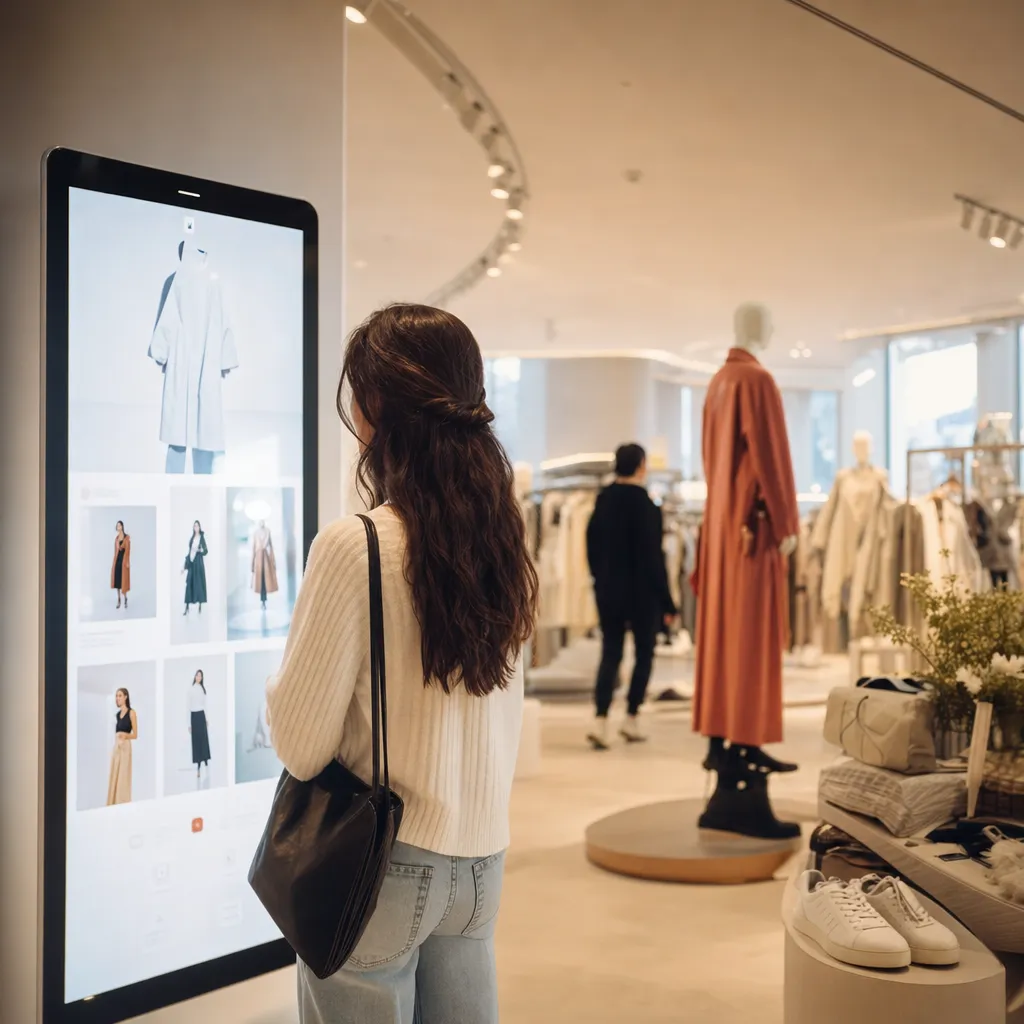
Zalando, Europe's largest online fashion retailer, unveiled its first AI shopping agent, allowing customers to interact conversationally with an AI that can browse and facilitate purchases across 50 million products.
Zalando, Europe's largest online fashion retailer, unveiled its first AI shopping agent on November 3, allowing customers to interact conversationally with an AI that can browse, recommend, and facilitate purchases across its 50-million-product catalog. The launch makes Zalando the first major European fashion retailer to deploy a full agentic commerce experience — and comes as Adobe's Holiday 2026 forecast projects a 130 percent surge in AI-driven retail traffic through the end of the year.
The timing is significant. European retailers have watched U.S. platforms like Amazon and Walmart build AI shopping capabilities for two years. Zalando's launch signals that European retail is not simply importing the American model — it's building its own, shaped by GDPR data constraints and a fashion-specific product complexity that generic AI agents handle poorly. Zalando has 50 million products spanning clothing, footwear, sportswear, and accessories across dozens of brands, sizes, and style profiles. Building an agent that navigates that catalog effectively is a materially different engineering problem than recommending electronics or groceries.
How the Agent Works
According to Stellagent AI, Zalando's shopping agent allows customers to describe what they're looking for in natural language — "something for a winter wedding in Stockholm, I wear a size 38 and prefer sustainable brands" — and receive curated product recommendations drawn from the full catalog. The agent can refine recommendations through follow-up questions, explain why specific products were suggested, and initiate the purchase flow without requiring the customer to navigate standard category pages.
The agent is integrated into Zalando's existing app and web experience rather than deployed as a separate product. That integration matters: users don't switch to an "AI mode" — the agent is simply how Zalando's search and discovery now works for customers who opt into it.
Key capabilities at launch:
Get this in your inbox.
Daily AI intelligence. Free. No spam.
- Natural language product discovery across the full 50-million-product catalog
- Style profile integration — the agent draws on a customer's purchase and browse history to contextualize recommendations
- Sustainability filtering — the agent can explicitly prioritize Zalando's sustainability-certified inventory on request
- Size and fit guidance — integrating Zalando's existing size recommendation engine with conversational clarification
- Direct purchase initiation without leaving the agent interface
The European Market Dynamic
Zalando's launch introduces a tension that European retailers will have to navigate carefully: the AI shopping agent is fundamentally a data-intensive product, and GDPR imposes constraints on how personal data — including purchase history and browsing behavior — can be used to personalize AI outputs without explicit user consent.
Zalando has not publicly detailed its consent architecture for the agent. That gap will attract scrutiny from EU data protection authorities, particularly if the agent is using historical behavior data to shape recommendations without granular opt-in mechanisms. How Zalando resolves that question will set a precedent for every European retailer that follows it into agentic commerce.
Fashion adds another layer of complexity that grocery and electronics AI agents don't face: style is subjective, size is inconsistent across brands, and the emotional stakes of a purchase decision are higher. A customer who orders a dress for a wedding based on an AI recommendation that turns out to be wrong faces a problem that returns don't fully fix. Zalando's existing try-before-you-buy and free returns infrastructure mitigates some of that risk, but the agent's recommendation quality will be tested hard during the holiday season.
What This Means for European Retail
The launch creates competitive pressure across European fashion retail. ASOS, H&M, Mango, and Inditex (Zara) have all been investing in AI personalization, but none has yet deployed a fully conversational agentic shopping interface at Zalando's scale.
The dynamics Adobe's data captures are real: AI-driven retail traffic is surging, and the retailers that capture that traffic with well-functioning agents during the 2026 holiday season will establish behavioral patterns — customer habits — that are difficult for competitors to displace later. First-mover advantage in AI shopping is partly about engineering and partly about conditioning customers to use a specific interface.
For fashion brands selling through Zalando's marketplace, the agent introduces a new variable: the AI controls what gets recommended. If Zalando's agent optimizes for conversion, margin, or return rates rather than pure relevance, brand visibility on the platform shifts from a function of marketing spend and category position to a function of how well a brand's product data is structured for AI retrieval.
What to Watch
Track Zalando's holiday 2026 metrics — specifically the share of purchases initiated through the agent versus traditional search and browse. If agent-initiated conversion rates are meaningfully higher than platform averages, every European fashion retailer will be under board-level pressure to follow. Watch also for EU data regulator commentary on the consent architecture, which could force design changes in Q1 2027.
Source: Stellagent AI, November 2026
Did this help you understand AI better?
Your feedback helps us write more useful content.
Get tomorrow's AI briefing
Join readers who start their day with NexChron. Free, daily, no spam.