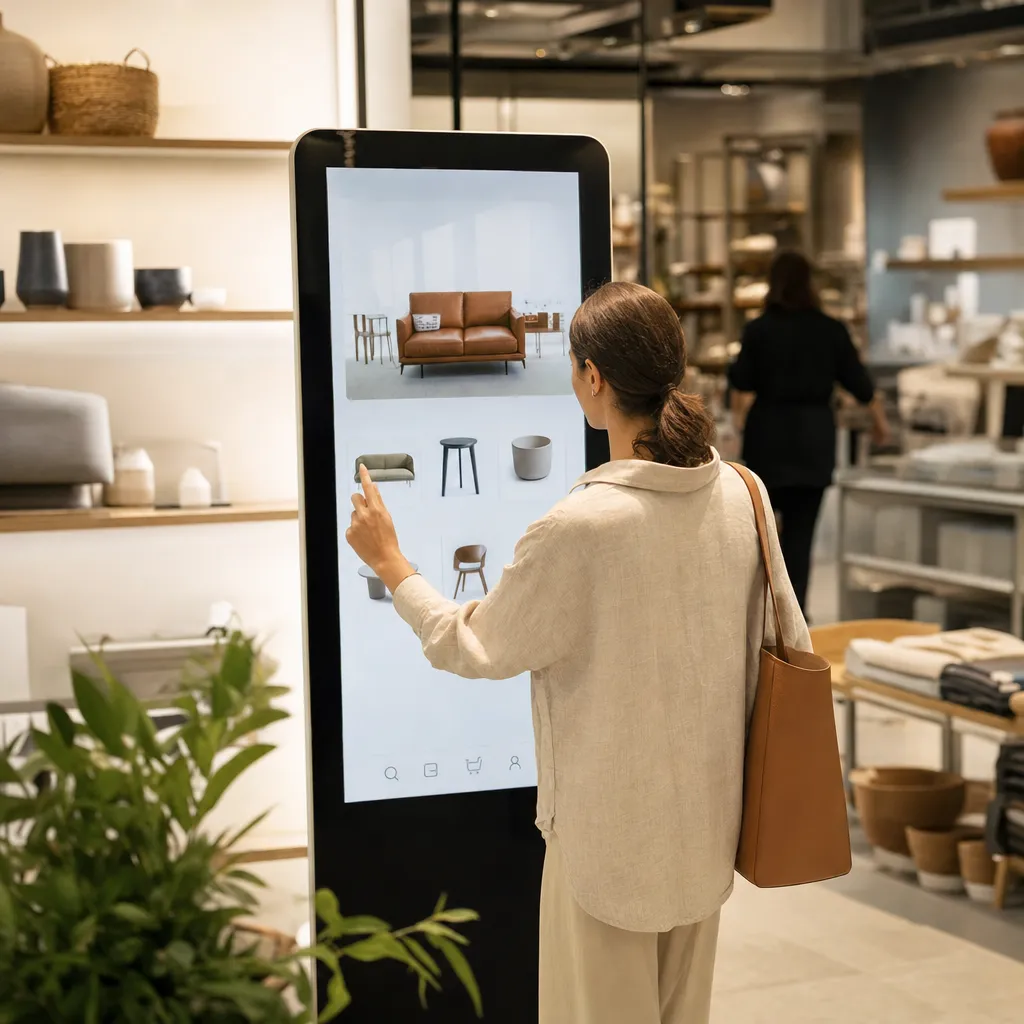
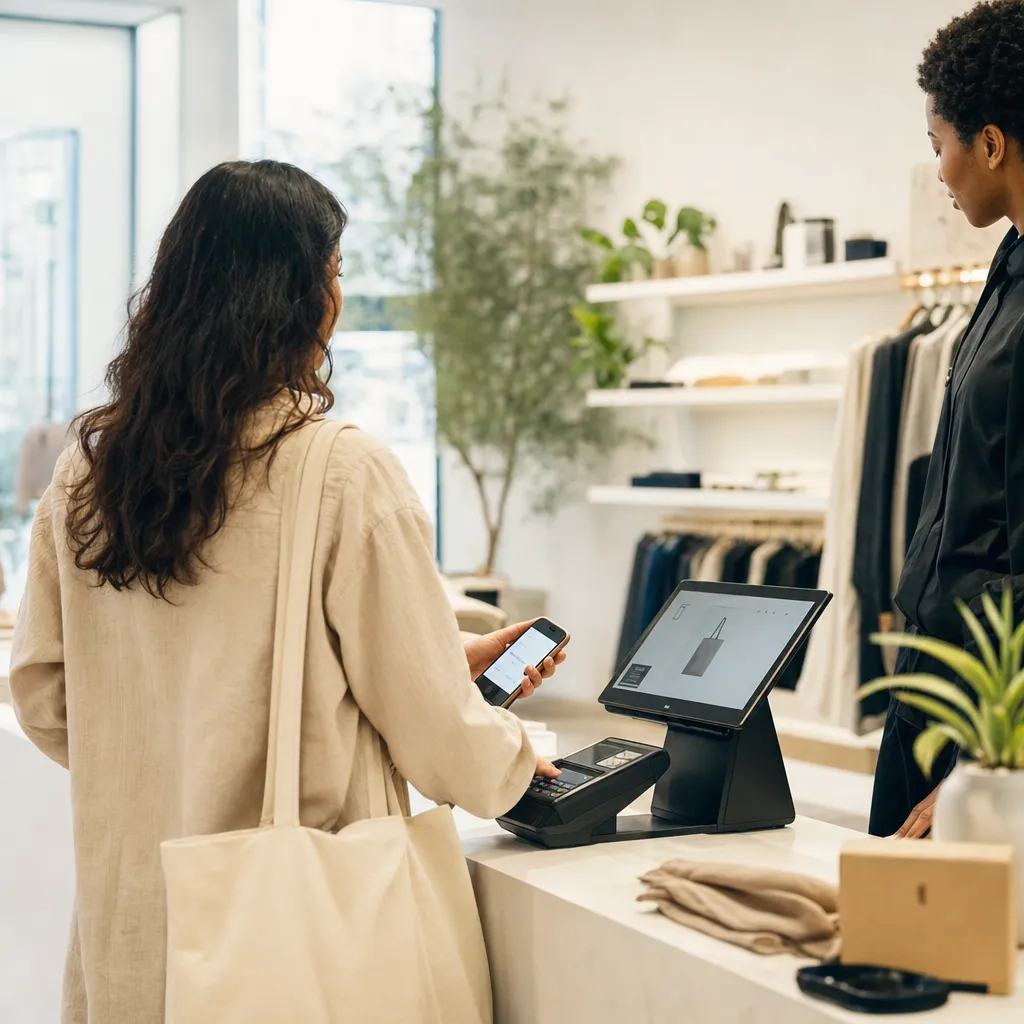
Adobe projects AI-referred traffic to US retail sites will surge 130% this holiday season with a 159% spike on Thanksgiving, as Google's Universal Cart routes shoppers through AI rather than individual retailer sites.
AI-referred traffic to U.S. retail sites will surge 130% year-over-year this holiday season, according to Adobe Analytics projections, with a 159% spike expected on Thanksgiving alone. The same week those projections landed, Google launched a Universal Cart that lets shoppers check out from multiple retailers through a single AI-managed interface. Together, the data and the launch signal that agentic commerce — AI agents that browse, compare, and purchase on behalf of consumers — is arriving at consumer scale in time for the 2026 holiday season.
This is not a forecast about a future where AI shops for you. It is a present-tense measurement of traffic patterns already occurring, extrapolated through peak shopping season.
What Adobe's Data Shows
Adobe tracks billions of transactions across U.S. retail sites. Its holiday forecast draws on early-season AI referral patterns to project peak behavior. The 130% year-over-year increase in AI-referred traffic reflects consumers moving from manually using AI assistants for product research to AI agents that complete the discovery-to-purchase loop — or significant portions of it — without returning to a traditional search engine.
Key figures from Adobe's forecast:
- 130% projected YoY increase in AI-referred traffic to retail sites overall
- 159% projected spike on Thanksgiving specifically
- Thanksgiving has historically been the highest-traffic day of the holiday shopping season; a 159% AI-referral increase on that day represents a structural shift in how traffic routes, not just a volume change
The implication for retailers: a growing share of holiday traffic will arrive via AI agents rather than organic search, paid search, or social referral. That changes conversion expectations, page design requirements, and the value of traditional SEO.
Google Universal Cart: What It Is and Why It Matters
Google's Universal Cart, launched this week, allows a shopper to find products from multiple retailers — say, a sweater from Nordstrom and shoes from Nike — and check out through a unified Google-managed cart rather than visiting each retailer's site separately. The AI layer handles the discovery, comparison, and cart assembly; the shopper approves and pays once.
For Google, Universal Cart is an extension of its AI shopping infrastructure and a direct monetization of its position as the entry point for product searches. For retailers, it is more complicated.
Get this in your inbox.
Daily AI intelligence. Free. No spam.
The dual reality for retailers:
On the upside, Universal Cart puts Google-discovered products in front of consumers who might otherwise have abandoned the cross-site friction of building a multi-retailer order. Products that surface in Google's AI shopping layer get a purchase pathway they did not have before.
On the downside, Universal Cart routes customers through Google's interface rather than the retailer's own site. That means less data about customer behavior, fewer opportunities for cross-sell and upsell, reduced loyalty program engagement, and a Google intermediary sitting between the brand and its customer. The pattern mirrors what happened to publishers with Google's AI Overviews — traffic capture at the platform layer, not the destination.
Agentic Commerce at Consumer Scale
The convergence of Adobe's forecast data and Google's Universal Cart launch defines what agentic commerce looks like at consumer scale:
- AI agents do the discovery work. A consumer prompts an AI assistant ("find me a gift under $50 for a coffee enthusiast") and the agent searches, filters, and shortlists products across multiple retailers.
- AI agents manage the cart. Rather than the consumer building a cart site-by-site, the AI assembles it in a unified interface.
- The consumer approves and pays once. Human decision-making remains in the loop, but at a later, higher-level stage.
This is not a theoretical architecture. Adobe's holiday forecast is measuring the early adoption of exactly this pattern, and Google is building the infrastructure layer to accelerate it.
What This Means for Retailers
Traffic strategy needs to account for AI intermediaries. If 130% more traffic will be AI-referred this holiday season, retail SEO strategies optimized for traditional search engine ranking will under-capture that traffic. Retailers need their products to surface in AI agent responses, not just on page one of Google Search.
Product data quality becomes a competitive advantage. AI agents make product recommendations based on structured data — titles, descriptions, specifications, ratings. Retailers with clean, complete, structured product catalogs will appear more reliably in AI-generated recommendations than those with legacy catalog architecture.
Customer data ownership erodes with platform intermediation. Universal Cart gives Google behavioral data that retailers previously owned. Retailers who rely on first-party data for personalization, retargeting, and loyalty programs will see those data streams thin as a greater share of transactions routes through platform-managed interfaces.
For retailers who have invested in AI personalization and recommendation systems, the Universal Cart launch accelerates the same question that has defined digital commerce strategy for a decade: build your own capability or accept platform dependency?
What to Watch
Thanksgiving and Black Friday 2026 traffic data will be the first real-world measurement of Adobe's forecast accuracy. Watch for Google to publish Universal Cart conversion data post-season — if the numbers confirm the agent-mediated shopping hypothesis, expect accelerated investment from every major platform in AI commerce infrastructure heading into 2027.
Did this help you understand AI better?
Your feedback helps us write more useful content.
Get tomorrow's AI briefing
Join readers who start their day with NexChron. Free, daily, no spam.