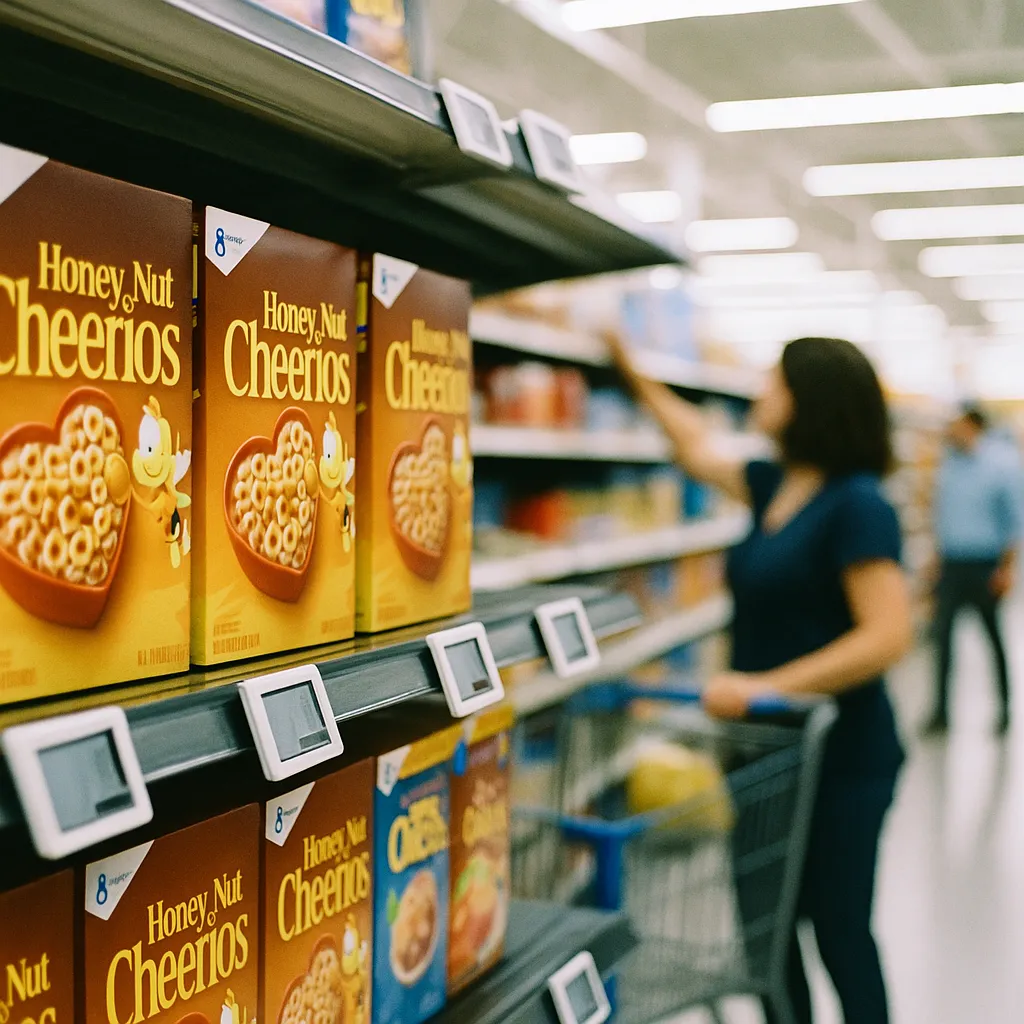
Walmart is rolling out AI-driven electronic shelf labels with Shop, Pick, and Stock to Light features across its U.S. store network ahead of the holiday season, enabling real-time dynamic pricing and reducing manual shelf labor at scale.
Walmart announced October 1 it is deploying AI-driven electronic shelf labels across its U.S. store network ahead of the holiday shopping season—replacing manual price sticker changes with real-time digital displays that can update instantaneously at scale. The rollout sets a new operational baseline for large-format retail and puts competitive pressure on every grocery and mass-market chain still running paper-based shelf management.
What the system does
According to GuruFocus reporting on the announcement, Walmart's electronic shelf label system incorporates three AI-guided workflows:
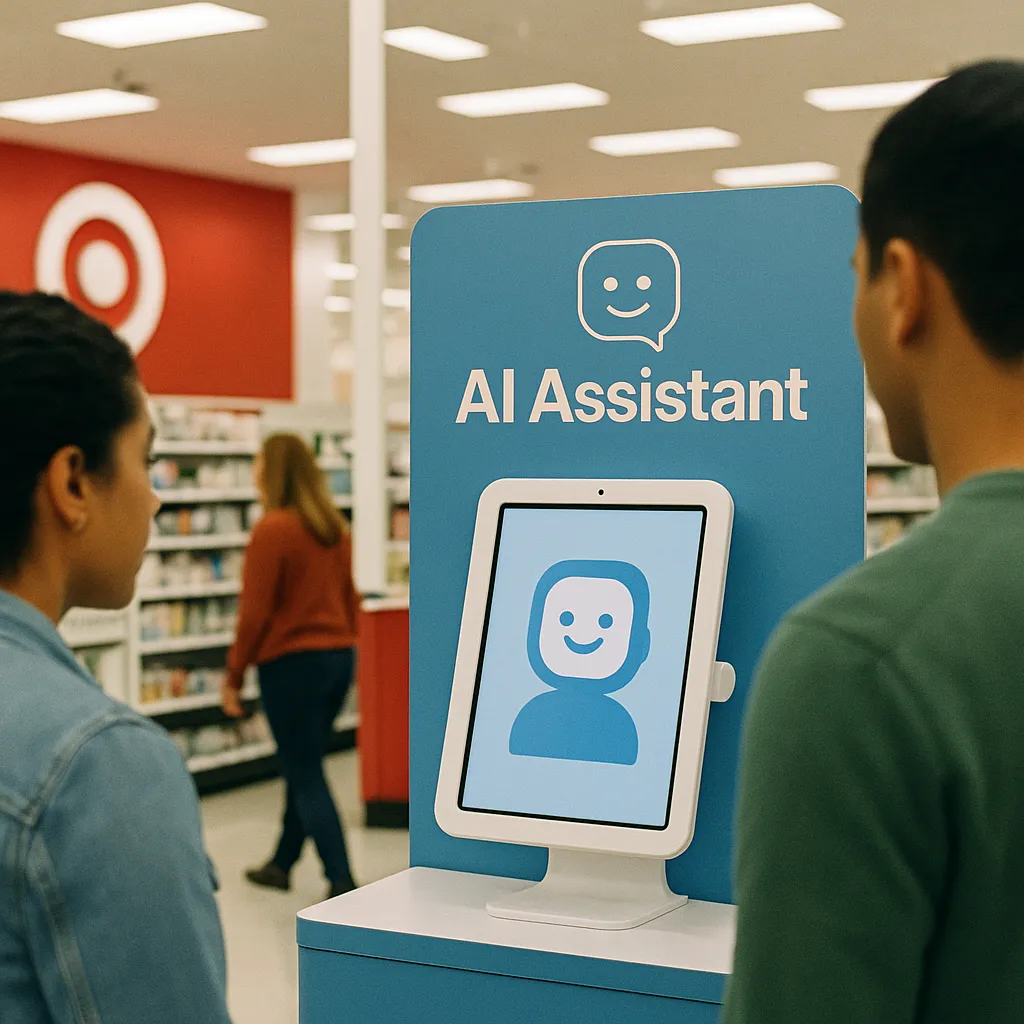
- Shop to Light — guides customers through in-aisle navigation, helping shoppers locate specific items without staff assistance
- Pick to Light — directs Walmart's in-store fulfillment associates to exact item locations during online order picking, reducing pick errors and time per order
- Stock to Light — directs stock associates to the specific shelves that need replenishment, based on real-time inventory data rather than scheduled walk-through checks
The labels themselves are small electronic displays replacing traditional paper price tags. They update wirelessly and instantaneously when Walmart's pricing engine changes a price—rather than requiring store associates to physically print, cut, and affix new labels on every affected shelf edge, a process that in a large supercenter can involve thousands of label changes per week.
The operational math
Manual shelf label management is one of retail's most labor-intensive and error-prone back-of-house functions. A typical Walmart supercenter carries 120,000 to 140,000 SKUs. Even routine price changes—weekly promotions, competitive price matches, clearance markdowns—can affect thousands of items simultaneously. Under a paper-based system, each change requires human time: printing, walking the aisle, peeling, replacing. Under an electronic label system, the same change propagates to every shelf in the store in seconds.
Get this in your inbox.
Daily AI intelligence. Free. No spam.
The labor cost reduction is significant. The efficiency gain in online order fulfillment—Pick to Light directing associates to exact item locations—is equally concrete: fewer pick errors means fewer customer refunds and redeliveries, and faster pick times mean the same labor pool can handle higher order volume, which matters acutely during holiday peaks.
Dynamic pricing at scale
Electronic shelf labels also enable something paper cannot: dynamic pricing that responds to real-time conditions. Walmart has not explicitly stated it will implement time-of-day or demand-responsive pricing through the system, but the infrastructure now supports it. This is the capability that has made electronic shelf labels controversial when European grocers have tested demand-based pricing—consumer advocates in the EU have pushed back on surge-style pricing applied to everyday grocery items.
Walmart operates in a more permissive regulatory environment on this front. But the fact that the infrastructure exists and is nationwide creates a future optionality that Walmart's competitors will be tracking closely.
Setting the industry baseline
Walmart's nationwide rollout before the holiday season is a competitive signal as much as an operational one. Other large-format retailers—Target, Kroger, Albertsons, Costco—will be watching whether the system delivers the labor cost and fulfillment efficiency gains Walmart is projecting. If it does, the pressure to match the deployment will intensify.
For smaller regional chains and independent grocers, the calculus is different. Electronic shelf label systems require significant upfront capital investment in hardware and integration. Walmart's scale means it can amortize that investment across thousands of stores and millions of SKUs in a way smaller operators cannot. The risk is that a widening operational efficiency gap between Walmart-scale retailers and the rest of the industry accelerates consolidation.
What to watch
Walmart's Q4 earnings will be the first real-world test of the system's impact on labor costs and fulfillment performance during peak season—the highest-stakes operational period in retail. Analysts will be looking for specific disclosures about pick error rates, order fulfillment times, and any labor headcount changes attributable to the rollout. How competitors respond in their own Q4 operational plans will signal whether the industry treats the Walmart rollout as a one-off or as the starting gun for a broad shift in shelf management technology.
Did this help you understand AI better?
Your feedback helps us write more useful content.
Get tomorrow's AI briefing
Join readers who start their day with NexChron. Free, daily, no spam.