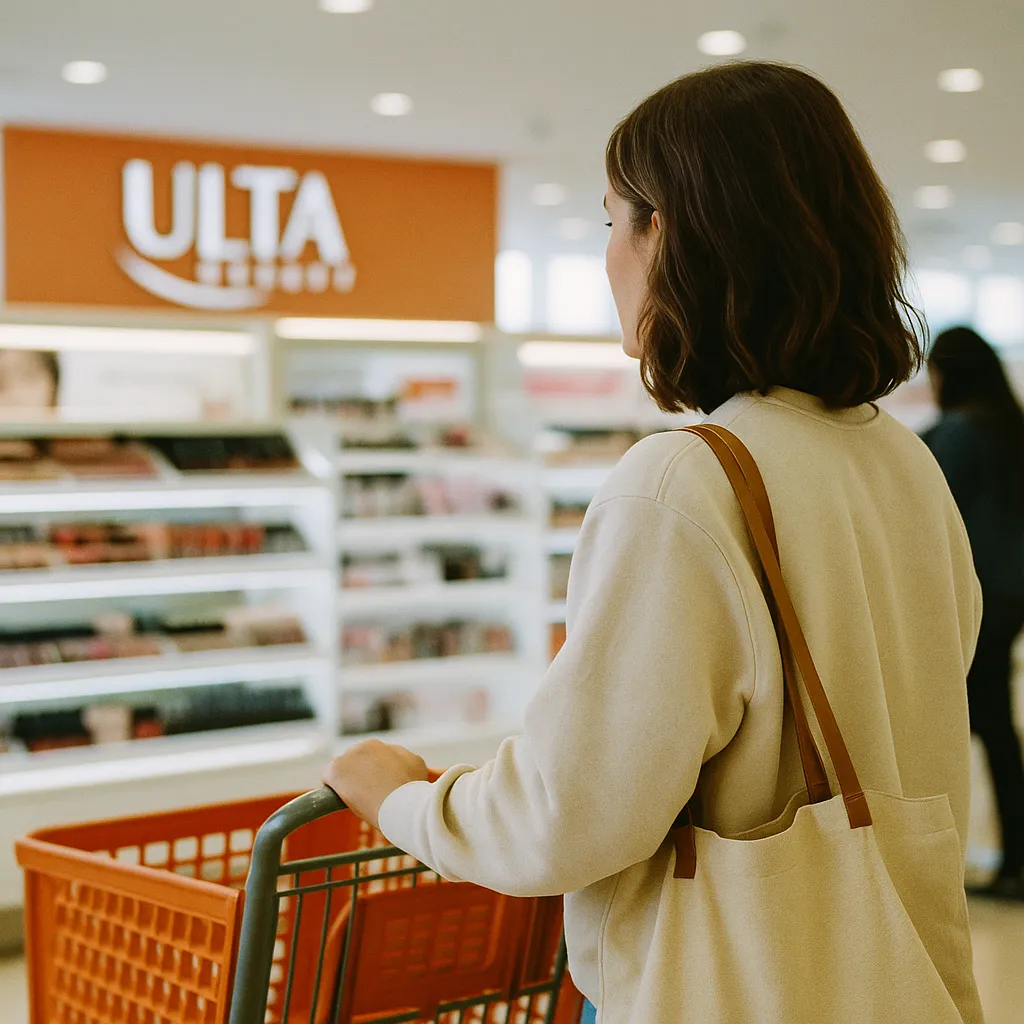
Ulta Beauty credited its AI-powered automated marketing engine with driving a double-digit eCommerce revenue increase ahead of its mid-October marketplace launch.
Ulta Beauty credited its AI-powered automated marketing engine with driving a double-digit eCommerce revenue increase ahead of its mid-October marketplace launch. The result adds a named company with measurable numbers to the AI-first retail advantage thesis — which has until now been better supported by industry-wide projections than individual company disclosures.
The AI marketing engine delivers personalized, dynamic content to individual customers — adjusting product recommendations, offers, and messaging based on purchase history, browsing behavior, and predicted preferences. That's the core of what retailers mean by AI personalization: not a single recommendation algorithm, but a system that treats each customer interaction as an individual optimization problem, according to PYMNTS.
The Marketplace Context
The eCommerce surge is happening as Ulta prepares to launch a marketplace expansion in mid-October that extends its product range beyond core cosmetics into beauty, wellness, and adjacent lifestyle categories. The timing matters: strong AI-driven eCommerce performance ahead of the marketplace launch suggests the company's customer engagement infrastructure is performing well before it faces the added complexity of a broader catalog and new vendor relationships.
Expanding into wellness and lifestyle categories introduces significant personalization complexity. A customer who buys mascara regularly doesn't automatically have predictable preferences in wellness supplements or home fragrance. The AI engine's ability to handle that expanded context — and the cross-category recommendations it generates — will be tested in ways the current product range doesn't require.
Get this in your inbox.
Daily AI intelligence. Free. No spam.
Industry Benchmark
PYMNTS reports that AI-first retailers are achieving up to 40% higher revenue than competitors that haven't implemented comparable personalization infrastructure. Ulta's double-digit eCommerce increase is consistent with that range, suggesting the company is executing at the higher end of AI personalization effectiveness rather than capturing modest gains.
The 40% differential is a significant competitive advantage — and it compounds. A retailer outperforming on eCommerce revenue has more data, more customer interaction history, and more budget to improve its AI systems. The gap between AI-first retailers and traditional retailers is likely to widen, not narrow, as more AI training data accumulates.
What Competitors Are Watching
Ulta's disclosure is valuable to the beauty and wellness retail sector precisely because it's specific. Double-digit eCommerce growth attributed to AI personalization — from a major specialty retailer, ahead of a significant product expansion — is more actionable signal than an industry report projecting future gains.
For competitors in the specialty beauty space — Sephora, Sally Beauty, e.l.f. Cosmetics, and direct-to-consumer beauty brands — the question is how quickly they can match Ulta's AI marketing infrastructure. Those that haven't invested in personalization at this level will face a compounding disadvantage as Ulta's marketplace expands its data advantage.
What to Watch
Post-launch marketplace performance metrics — specifically whether the AI personalization engine successfully handles cross-category recommendations in beauty, wellness, and lifestyle, and whether eCommerce growth continues through the holiday season. Also watch for competitors announcing AI personalization investments in response; Ulta's disclosure has shortened the window for competitors to build equivalent capability without acknowledging a meaningful performance gap.
Sources: PYMNTS
Did this help you understand AI better?
Your feedback helps us write more useful content.
Get tomorrow's AI briefing
Join readers who start their day with NexChron. Free, daily, no spam.