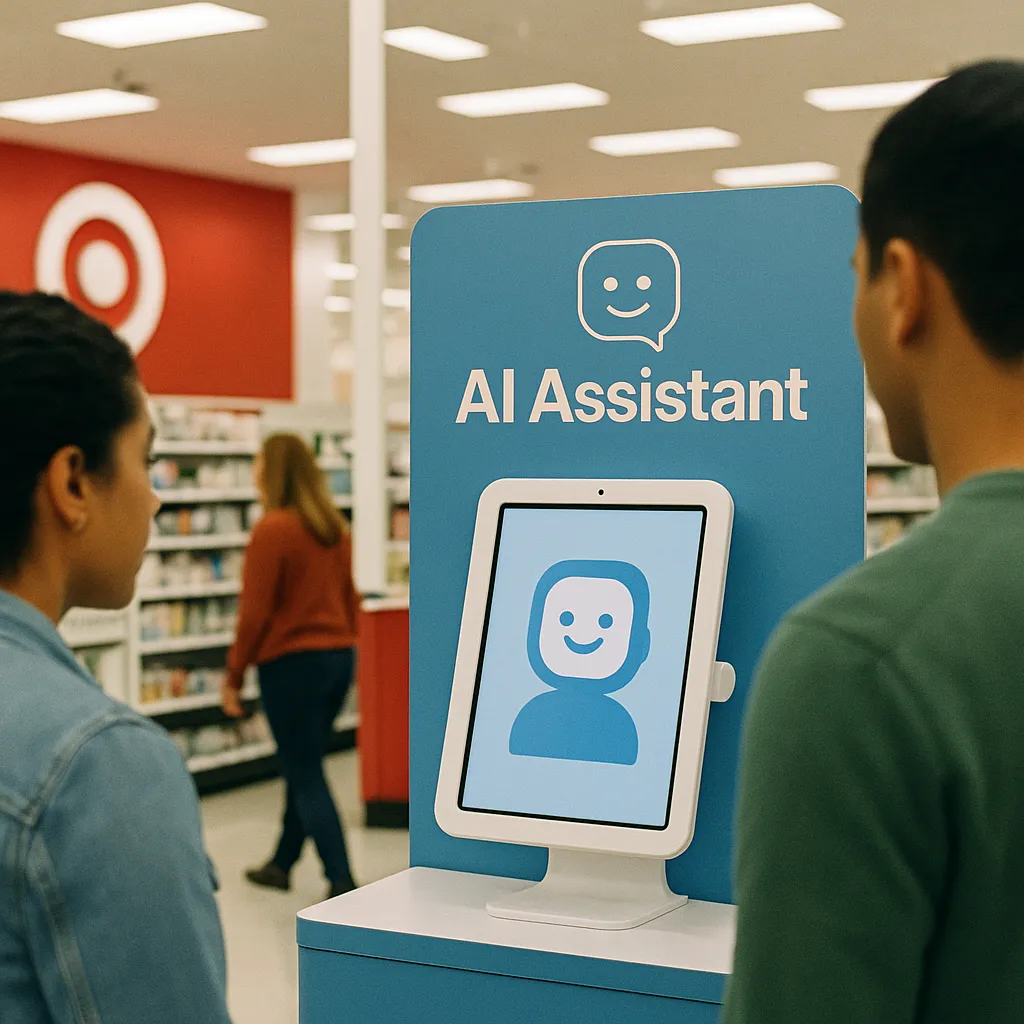
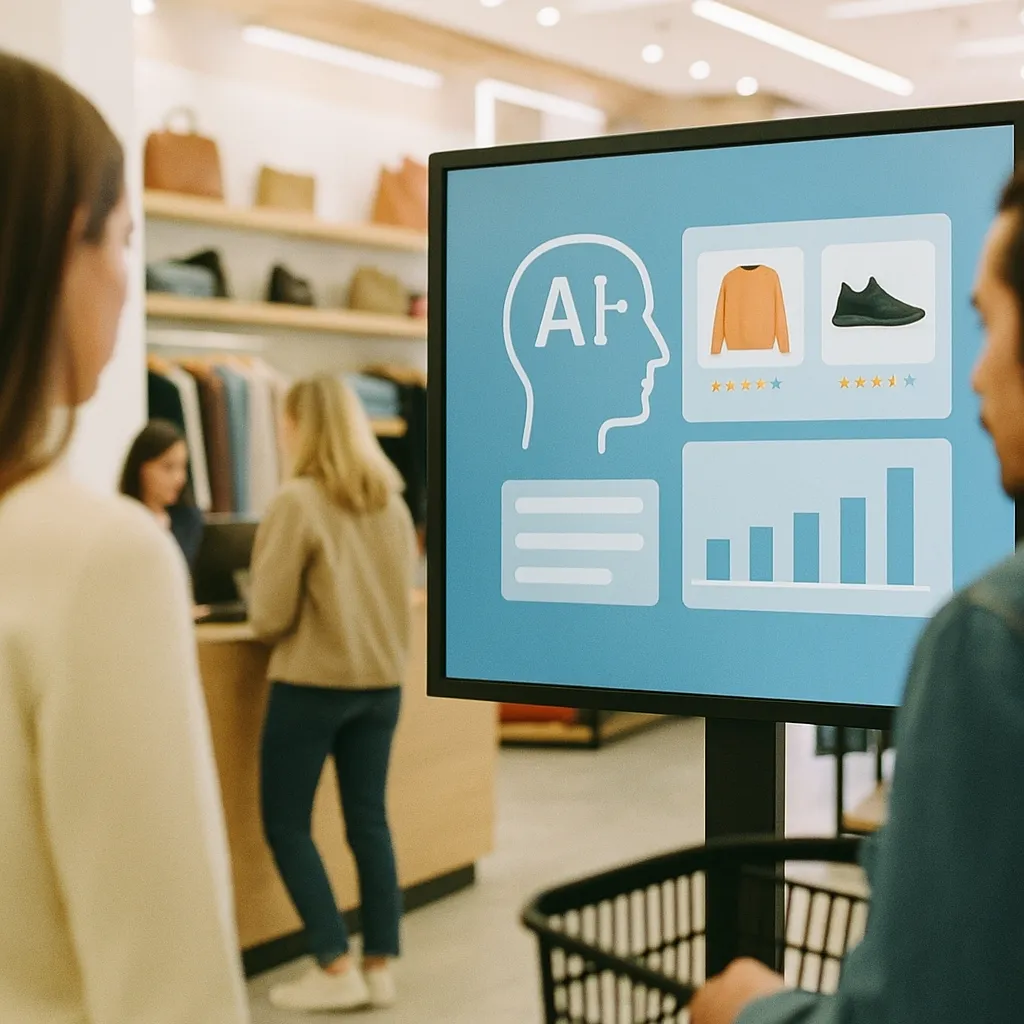
Target deployed ChatGPT Enterprise to 18,000 HQ employees and reported 2,000% AI-driven traffic growth, becoming the first mass retailer live on ChatGPT, Gemini, and Microsoft Copilot simultaneously.
Target has deployed ChatGPT Enterprise to 18,000 corporate employees at its Minneapolis headquarters and reported that AI-driven traffic to its digital properties grew 2,000% year-over-year—numbers that make the retailer one of the most detailed public data points yet on what large-scale enterprise AI adoption looks like in practice.
The expanded partnership with OpenAI, announced on OpenAI's website, goes further than most enterprise AI deployments in one specific way: Target is now live simultaneously on ChatGPT, Google Gemini, and Microsoft Copilot as a shoppable AI destination—the first mass retailer to achieve that cross-platform presence at once.
What the Deployment Actually Covers
The 18,000-employee rollout is at Target's corporate headquarters, not across its 1,900-plus store workforce. The use cases disclosed span three areas:
Supply chain forecasting. Target processes enormous volumes of inventory movement data. ChatGPT Enterprise is being used to help analysts generate demand forecasts, identify supply chain risks, and model scenarios faster than legacy tools allow.
Store process design. Corporate teams designing operational procedures for stores—planogram execution, in-store replenishment workflows, seasonal setup—are using AI to draft, test, and iterate on those processes.
Personalized customer experiences. The customer-facing dimension is where the 2,000% traffic figure becomes relevant. Target is directing AI-generated traffic to its digital properties through integrations with conversational AI platforms, where users can ask shopping questions and receive Target-specific product recommendations with purchase links.
The company did not disclose the baseline traffic figure against which the 2,000% growth was measured, which means the absolute volume increase is not quantifiable from the announcement alone. But a 20x growth rate in AI-driven traffic, even from a small base, represents a meaningful new acquisition channel.
Get this in your inbox.
Daily AI intelligence. Free. No spam.
The Cross-Platform Dimension
The simultaneous presence on ChatGPT, Google Gemini, and Microsoft Copilot is the strategically significant piece of the announcement that has received less attention than the employee deployment numbers.
Most retailers have approached AI integrations sequentially—picking a primary platform partner and negotiating exclusivity or preferred placement before expanding to others. Target has done the opposite. By going live across all three major AI assistant platforms simultaneously, it is treating AI-driven discovery as a distribution channel it needs to be present on comprehensively, the same way a retailer needs to be present on Google Search, Meta advertising, and email simultaneously.
The implications:
- Product data infrastructure matters more now. To be discoverable and shoppable across ChatGPT, Gemini, and Copilot, Target needs its product catalog—pricing, availability, descriptions, images—to be structured and accessible to those platforms' retrieval systems. That is a significant data infrastructure investment.
- AI traffic attribution is a new measurement challenge. Traditional digital attribution models track clicks from ad platforms, email, and search. AI assistant referrals work differently, and Target's analytics teams are among the first to need to measure this at scale.
- Competitors are watching. Walmart, Amazon, and Costco have AI partnerships but have not disclosed a simultaneous multi-platform shoppable presence of this scope.
What the Enterprise AI Deployment Tells Us
Large enterprise AI deployments at consumer companies have historically been announced with ambitious framing and limited operational specifics. Target's announcement is more grounded than most because it names concrete functions—supply chain forecasting, store process design—rather than generic "productivity improvements."
The 18,000-person rollout is notable for its concentration in one headquarters location rather than a phased geographic or departmental rollout. That suggests Target made a deliberate choice to saturate corporate use before extending to stores, which makes sense: the workflows that benefit most from language model capabilities—analysis, drafting, scenario modeling—are concentrated at headquarters.
For OpenAI, the Target partnership is a reference case in a sector—retail—where ChatGPT Enterprise adoption has moved more slowly than in financial services or technology. Retailers operate on thin margins, have large hourly workforces with different technology adoption curves, and are cautious about vendor concentration. Target's willingness to go public with scale and growth metrics gives OpenAI a credible case study for enterprise sales in the sector.
What This Means for Retail AI Broadly
The 2,000% AI-driven traffic growth number, even without absolute context, is significant because it shows that conversational AI is already generating measurable top-of-funnel traffic for retailers who have invested in being discoverable on AI platforms. This is the retail equivalent of what happened with mobile search in 2011–2013: retailers who were not optimized for mobile discovery lost traffic they never recovered.
The channel is early enough that first movers have a structural advantage in training AI platforms' retrieval systems to surface their products. Target is betting that the investment required to be simultaneously present on ChatGPT, Gemini, and Copilot today will compound as AI-assisted shopping grows.
What to Watch
Target has not disclosed what conversion rates look like for AI-referred traffic compared to other channels—that data would be the strongest signal of whether AI-driven commerce is real or just early-adopter novelty. Watch also for whether Walmart announces a comparable multi-platform deployment in the next quarter. If the two largest mass-market retailers are both competing for AI assistant shelf space simultaneously, it will pressure every mid-tier retailer to accelerate investments they have been deferring.
Target is the first mass retailer to go live as a shoppable AI destination on ChatGPT, Google Gemini, and Microsoft Copilot simultaneously.
Did this help you understand AI better?
Your feedback helps us write more useful content.
Get tomorrow's AI briefing
Join readers who start their day with NexChron. Free, daily, no spam.