Physical retail has crossed a threshold: AI is running inventory, guiding staff, and deterring theft at commercial scale — six deployments already generating returns.
Six Ways Retailers Are Rebuilding the Store Floor Around AI Right Now
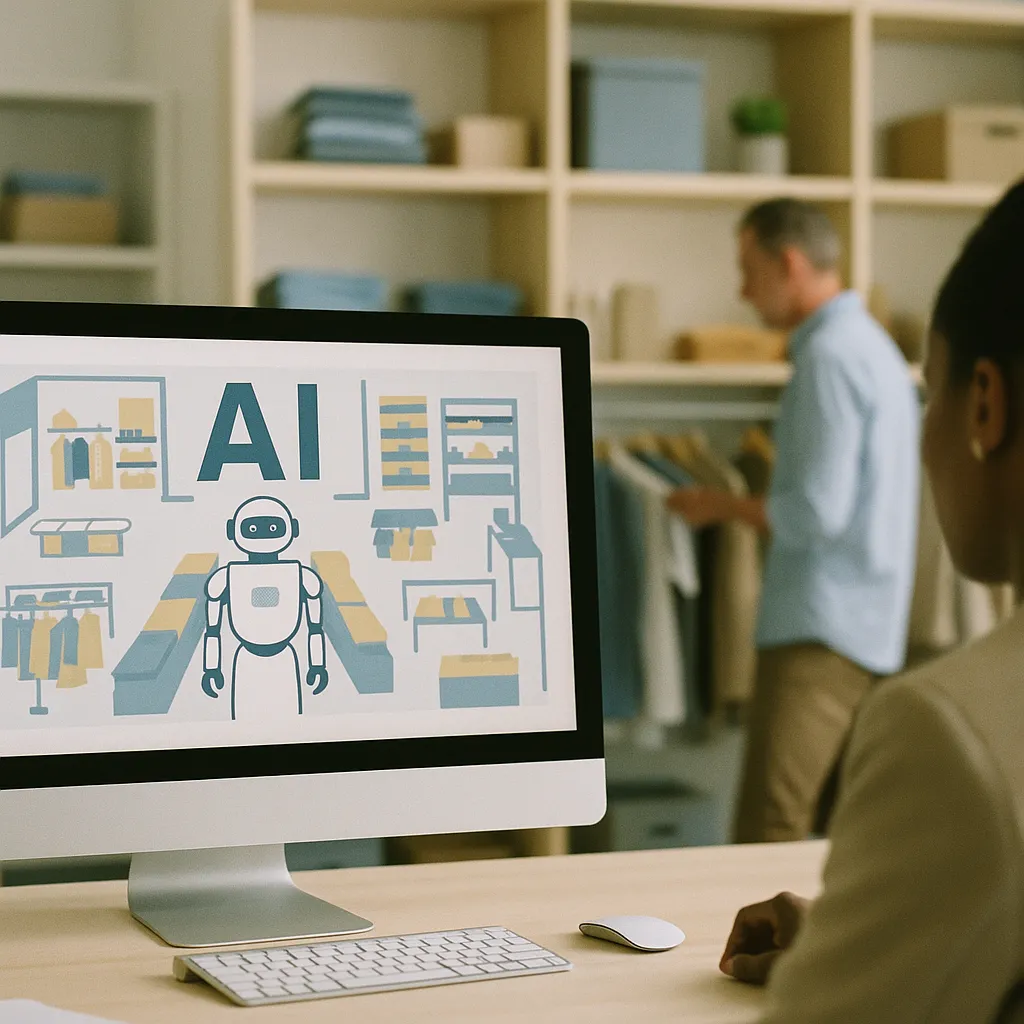
Physical retail has crossed a threshold. AI is no longer back-office optimization — it is front-of-store deployment at commercial scale, running inventory decisions, guiding staff, and deterring theft in real time. A new industry roundup from Retail Gazette identifies six in-store AI applications now operating beyond pilot, marking the moment when brick-and-mortar retailers stopped asking what AI could do and started asking which deployments actually move revenue.
The six categories below have cleared that bar.
1. Real-Time Inventory Replenishment
AI-powered inventory systems now monitor shelf stock continuously — using cameras, weight sensors, and purchase data — and trigger restocking before a product disappears from the shelf rather than after. Iceland Foods, a UK supermarket chain, has deployed AI inventory tools that reduced lost sales by measurable double-digit percentages by alerting staff to specific shelf gaps before customers encounter them.
Why it matters: Out-of-stock items cost global retailers an estimated $1 trillion annually in lost sales. The AI doesn't replace the stock clerk — it tells the clerk exactly which item, on which shelf, needs attention in the next 15 minutes. The result is fewer walkouts and less spoilage from reactive over-stocking.
2. AI Staff Assistance Tools
Retailers are equipping floor staff with AI-powered tools — via earpiece, handheld device, or store terminal — that provide real-time product information, inventory location, and suggested substitutions when an item is unavailable. Sainsbury's has piloted systems that push AI product guidance to staff during active customer interactions.
Why it matters: Knowledgeable staff convert more sales and reduce returns. AI assistance tools let a part-time floor associate deliver the same product depth that previously required years of category experience. The investment is in the tool, not in a longer training cycle — and the tool updates itself when inventory changes.
3. Dynamic Visual Merchandising
AI systems now optimize store layouts and product placement in near-real-time, adjusting recommendations based on foot traffic patterns, time of day, and seasonal purchase data. Traditional planogram (shelf layout) updates happen quarterly, driven by category management teams working from historical data.
Why it matters: AI-driven merchandising can identify that a product sells better at eye level on Tuesday afternoons and act on it before Wednesday's morning rush. The gap between insight and shelf position compresses from months to hours. For high-velocity categories like beverages, snacks, and seasonal items, that speed is a direct revenue lever.
Get this in your inbox.
Daily AI intelligence. Free. No spam.
4. Personalized In-Aisle Offers
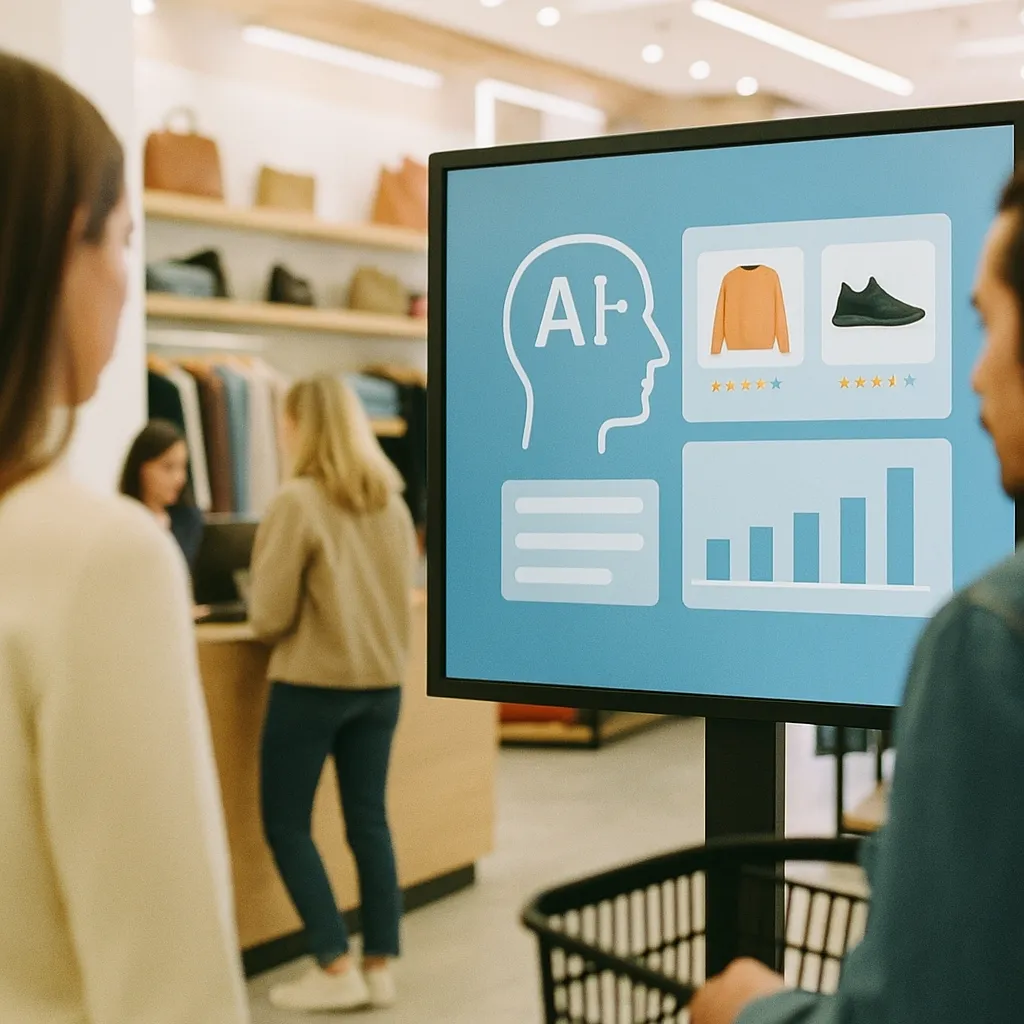
Digital shelf labels and in-store screens are delivering targeted promotions triggered by shopper location, loyalty program history, and real-time inventory levels. A shopper standing in the beverage aisle who has purchased sparkling water repeatedly can receive a personalized offer for a new product in the same category — without opening an app.
Why it matters: This merges the personalization advantage of e-commerce with the immediacy of physical retail. It is not a future capability — it requires existing loyalty infrastructure, digital shelf hardware, and real-time data processing — but retailers who have made those investments are deploying it now. The economics favor higher-margin categories where a personalized prompt closes a sale that otherwise wouldn't happen.
5. AI-Powered Loss Prevention
Traditional loss prevention relied on security cameras and human observers watching feeds. AI systems now analyze camera footage in real time to detect behavioral patterns associated with theft — without relying on facial recognition — and alert staff before a theft completes.
Why it matters: Retail shrinkage costs the US industry approximately $112 billion annually, according to the National Retail Federation. AI loss prevention systems that reduce shrinkage by even a few percentage points pay back their installation cost within months. The alert-before-theft model is also less confrontational than post-theft intervention, reducing staff risk and reducing the legal exposure that comes with wrongful accusation.
6. Frictionless Checkout
AI-powered checkout systems — from computer-vision shopping carts to improved self-checkout that reduces misscans — are reducing checkout friction and labor costs simultaneously. Amazon's Just Walk Out technology represents the high end of the capability curve; purpose-built self-checkout AI from established vendors is bringing narrower versions of the same capability to traditional supermarket and general merchandise formats.
Why it matters: Checkout is the highest-friction point in most physical retail experiences. AI that reduces wait time, scan errors, and theft at self-checkout simultaneously improves the customer experience and improves unit economics. The labor cost of managing self-checkout lanes also falls when AI catches errors in real time rather than requiring staff intervention for every misscanned item.
The Competitive Logic
The six deployments above share a common structure: each one closes a specific gap between physical retail's experience and what shoppers now expect from e-commerce. Real-time inventory eliminates out-of-stocks that would drive a shopper to order online instead. Personalized offers match Amazon's recommendation engine in the aisle where the purchase happens. Frictionless checkout removes the queue that makes physical retail feel slower than a two-day delivery.
The retailers who deploy at scale first will establish experience advantages that compound. The data from AI inventory systems improves demand forecasting. The behavioral data from in-aisle personalization improves promotion targeting. These aren't one-time upgrades — they are ongoing feedback loops that widen the gap between operators who invest and those who wait.
US retailers are accelerating to close the gap with UK leaders like Iceland Foods and Sainsbury's. The next 18 months will determine which US grocery and general merchandise chains commit before the experience gap becomes visible to shoppers who compare alternatives every time they choose where to shop.
What to watch: Watch Amazon's physical retail strategy — its Go stores and Dash Cart technology represent the ceiling of fully AI-integrated retail today. Any major US grocery or general merchandise chain that announces a store-level AI partnership in Q2-Q3 2026 is signaling it has decided to compete rather than cede the field.
By Hector Herrera
Did this help you understand AI better?
Your feedback helps us write more useful content.
Get tomorrow's AI briefing
Join readers who start their day with NexChron. Free, daily, no spam.