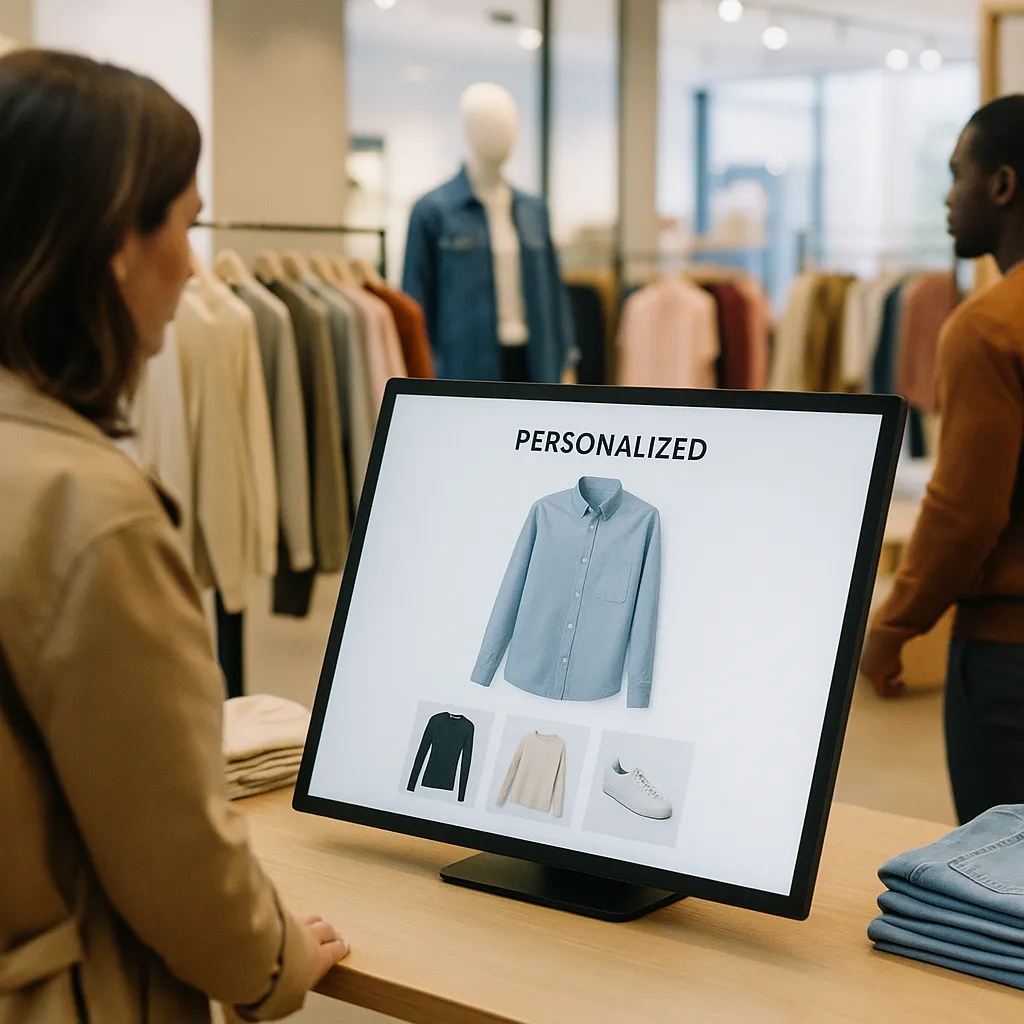
Fanatics deployed an OpenAI-powered AI recommendation engine that matches fan preferences to merchandise across 1.5 million SKUs — moving sports retail discovery from search to conversation.
Fanatics has deployed an AI recommendation engine built with OpenAI that matches shoppers' team loyalties and personal style preferences to in-stock merchandise across a catalog of more than 1.5 million SKUs — using multimodal AI to surface products that keyword-based search would never find.
The feature, called "Shop the Look," moves sports merchandise discovery from a search problem to a conversation problem. Instead of typing "Cowboys hoodie" into a search bar and filtering results, a shopper can describe what they're looking for — favorite team, preferred fit, occasion, colors that work for them — and the system interprets visual style cues alongside real-time inventory data to return relevant items. According to eMarketer, Fanatics reports meaningful improvement in session-to-purchase conversion since the feature launched.
How it works
The system uses a multimodal AI model — one that processes both text and images — to match stated preferences against product imagery, not just product metadata. Traditional recommendation engines rely on tags, categories, and purchase history. Shop the Look interprets what a jersey looks like and what the shopper said they want, and bridges the gap between the two.
That distinction matters at Fanatics' catalog scale. With 1.5 million SKUs spanning licensed gear from dozens of leagues, hundreds of teams, and thousands of player-specific items across apparel, headwear, and accessories, the long tail of inventory is effectively invisible to keyword search. A fan who says "something like what the home team wore in the '90s but in a women's cut" is expressing a preference that no tag or category tree captures. The AI model can reason about that request and surface inventory that matches it.
Why this matters for retail AI
Get this in your inbox.
Daily AI intelligence. Free. No spam.
Sports merchandise is an unusual retail category — purchase intent is driven by identity, emotion, and social context rather than pure utility. A fan doesn't need another hoodie; they want a specific hoodie that represents something. That emotional specificity makes it both hard to serve with traditional search and well-suited to conversational AI that can interpret nuanced preferences.
Fanatics is also sitting on a dataset that most retailers don't have: detailed fan identity data across team affiliations, purchase history, and stated preferences from its loyalty programs across the NFL, NBA, MLB, NHL, and college sports. That data makes the recommendation system more accurate over time as it learns what fans with similar profiles actually buy.
The broader retail trend
Fanatics isn't the only retailer deploying LLM-native product discovery, but it's one of the largest deployments by catalog size to go live in 2026. Several retailers trialing similar approaches — Walmart's conversational search, Amazon's Rufus shopping assistant — are watching conversion lift data carefully. The retail consensus going into Q4 2026 is that AI-powered product discovery can materially improve conversion in categories with high SKU counts and complex purchase decisions.
The key question across all these deployments is attribution: how much of the conversion improvement is the AI, and how much is the traffic and promotional environment that accompanied the launch? Fanatics hasn't published controlled trial data separating the two effects.
What to watch
The holiday shopping season beginning in November will be the first major stress test for Shop the Look at Fanatics' full traffic scale — NFL season drives Fanatics' heaviest traffic of the year. If the conversion improvement holds under peak load, expect other major sports and entertainment merchandise retailers to accelerate similar deployments in early 2027.
The deeper question is whether multimodal product discovery becomes a standard feature of large-catalog retail or remains a competitive differentiator. If the technology is commoditized through OpenAI's API — which Fanatics used — the barrier to adoption drops fast.
Did this help you understand AI better?
Your feedback helps us write more useful content.
Get tomorrow's AI briefing
Join readers who start their day with NexChron. Free, daily, no spam.