Anthropic shipped a design capability that competes directly with integration partners Figma and Canva, reportedly without advance warning — raising questions about whether the company can close its enterprise gap while burning its partner ecosystem.
Anthropic Launched a Design Tool — and Blindsided Partners Like Figma and Canva
By Hector Herrera | June 14, 2026 | NexChron.com
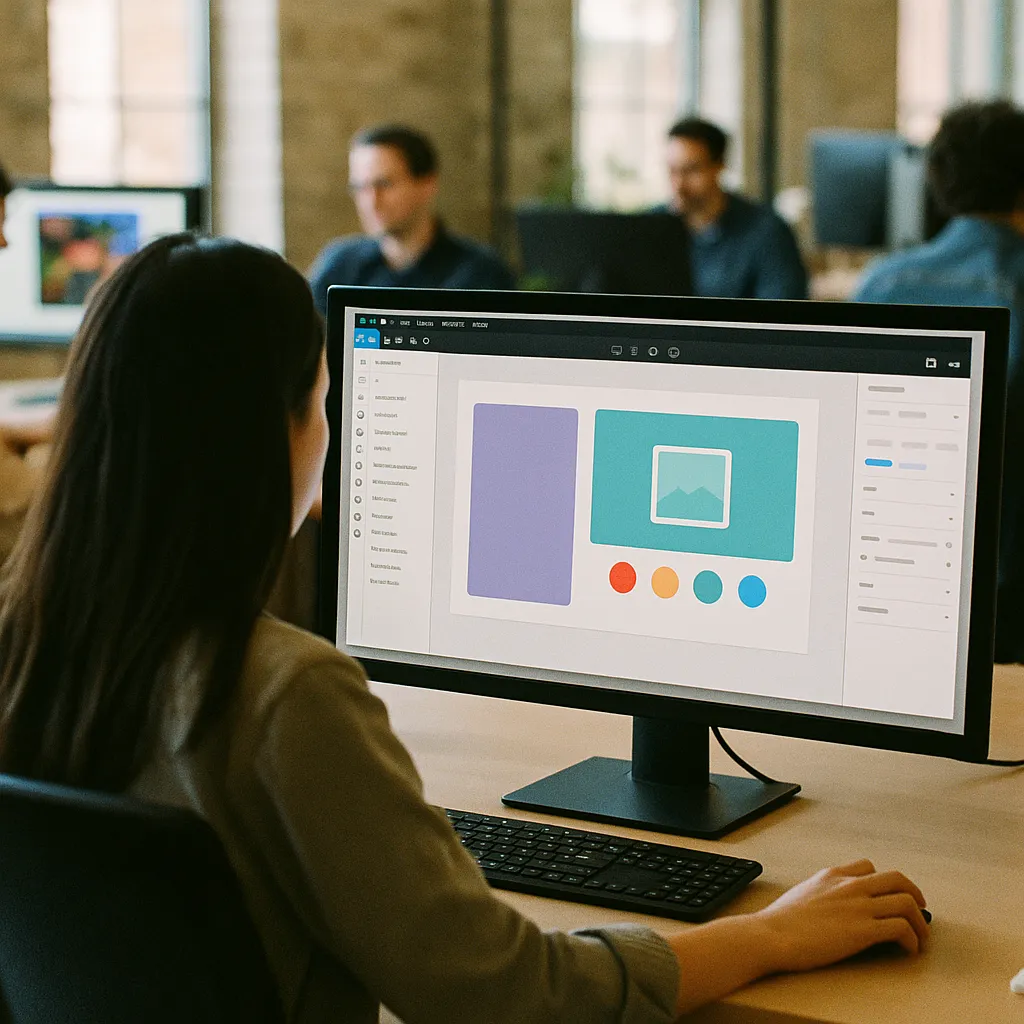
Anthropic quietly launched a Claude-powered design capability this week that competes directly with integration partners including Figma and Canva — reportedly giving those companies little to no advance warning. The move signals that Anthropic is no longer content to be a model provider sitting beneath the application layer; it intends to own more of the experience.
The timing is awkward. New IDC data shows only 19% of enterprises report extensive use of Claude, compared to significantly higher adoption rates for OpenAI's ChatGPT and Google's Gemini in corporate settings. Anthropic's partner ecosystem has been one of the main pathways to close that gap — which makes burning goodwill with those partners a meaningful strategic risk.
The new design-focused capability is built into Claude and allows users to generate, iterate on, and manipulate visual layouts and interface components directly inside conversations with the model. While Anthropic has not published a formal product announcement, reporting from The Information describes the feature as something Figma and Canva integrations have been doing — now provided natively by Claude itself.
The partner blindside is the story. Companies like Figma and Canva built Claude integrations in good faith, investing engineering resources and going to market with Anthropic as a featured partner. Having Anthropic ship a competing feature without a heads-up is the kind of move that erodes trust across an entire partner network — not just with the two companies directly affected.
The Enterprise Adoption Gap Behind This Decision
The IDC numbers are worth sitting with. If only 19% of enterprises use Claude extensively, Anthropic is in third place in the market that matters most: corporate deployments with recurring revenue. OpenAI and Google both have tighter platform integration stories — Microsoft 365 Copilot, Google Workspace, direct API deals with enterprise software vendors.
Anthropic has tried to close the gap through safety credibility and partner integrations. The design launch suggests the company is now trying a third path: owning more of what users see and do, rather than powering what other companies build.
Get this in your inbox.
Daily AI intelligence. Free. No spam.
This is not unusual in tech. Amazon built a logistics network that competed with third-party sellers. Apple built apps that replaced the App Store's most popular categories. Google entered every vertical its search advertisers operated in. Platform providers eventually become platform competitors — the question is how they manage the transition without destroying the ecosystem that got them there.
What Figma and Canva Actually Face
For Figma, the risk is limited in the near term. Figma's core value — multiplayer vector editing, component libraries, design systems for engineering handoff — is not what Claude's new feature replicates. What it does replicate is the AI-assisted generation workflow Figma has been showcasing in its own AI tools. That's a genuine overlap.
Canva is more exposed. Canva's growth story over the last three years has been "generative AI makes everyone a designer." That's precisely what Claude's new capability offers, inside a conversational interface that Canva's 200 million users would find familiar. The question is whether Claude's design output is good enough to replace Canva's polished templates for real business use cases — and right now, that's unlikely. But the direction is clear.
Why This Matters for Enterprise AI Strategy
The broader implication here is one that every company building on top of foundation models should be watching closely. When your AI vendor is also your competitor, the economics of your integration partnership change fundamentally.
Companies that built ChatGPT plugins in 2023 saw OpenAI ship native features that made their plugins redundant. Companies that built Claude design integrations are now facing a version of the same dynamic.
This doesn't mean partnership is wrong. It means partnership agreements need to be more explicit about competitive carve-outs, API pricing stability, and advance notice obligations — the kinds of terms enterprise software companies negotiate routinely, but AI integrations have largely bypassed.
What to Watch
Anthropic has not commented publicly on the partner relationships affected. The company's annual revenue remains undisclosed, but the $3 billion it raised in 2024 came with expectations of market share growth. Expect the design feature to be framed as a Claude capability expansion rather than a product launch — and watch whether affected partners quietly reduce their Claude integration surface area or renegotiate their terms.
The real test: whether the 81% of enterprises not yet using Claude extensively find the native design capability compelling enough to switch. If they don't, Anthropic will have damaged partner relationships without gaining the market share it was chasing.
Sources: BuildFastWithAI / The Information
Did this help you understand AI better?
Your feedback helps us write more useful content.
Get tomorrow's AI briefing
Join readers who start their day with NexChron. Free, daily, no spam.