Music publishers and Anthropic argued before a federal judge on October 21 over whether training Claude on song lyrics is fair use — a ruling that could set precedent for all AI training on licensed content.
Music Publishers Face Off With Anthropic in Federal Court Over AI Training on Lyrics
By Hector Herrera | October 26, 2026
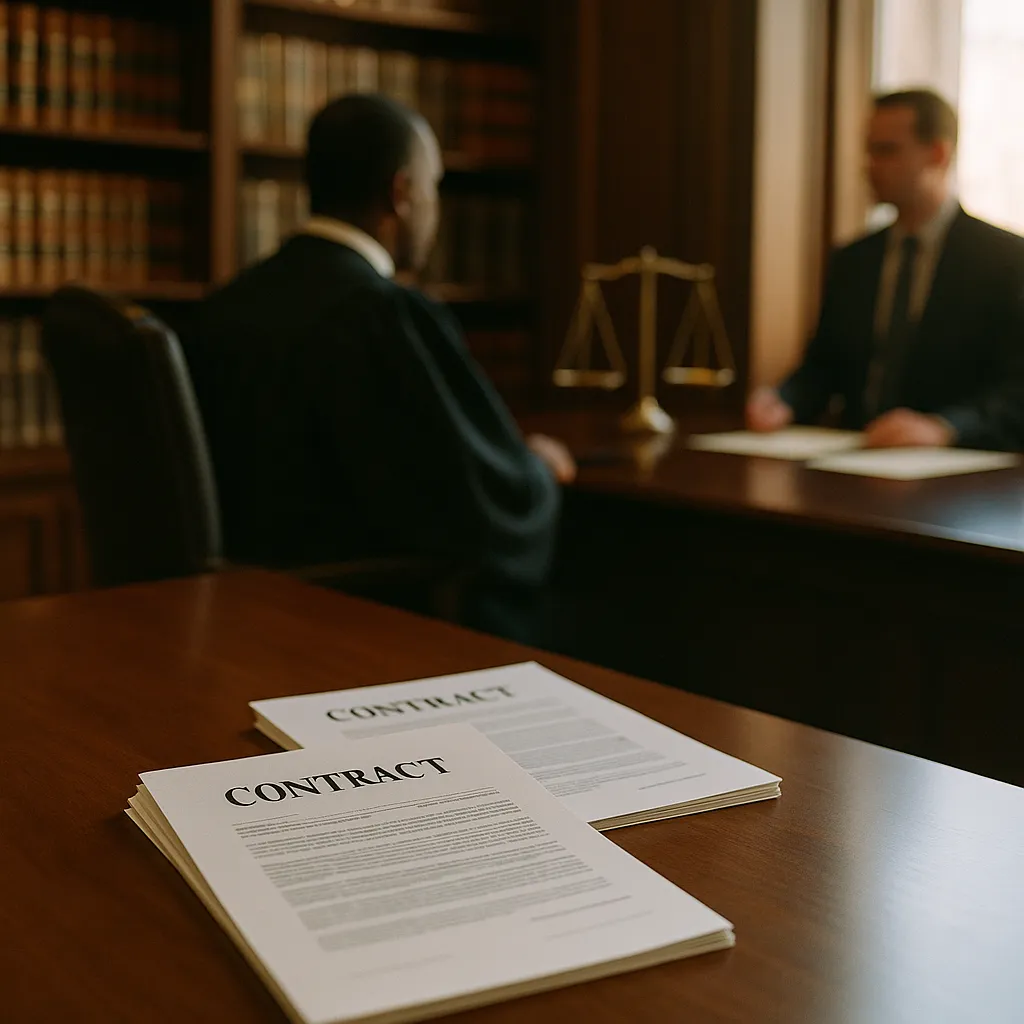
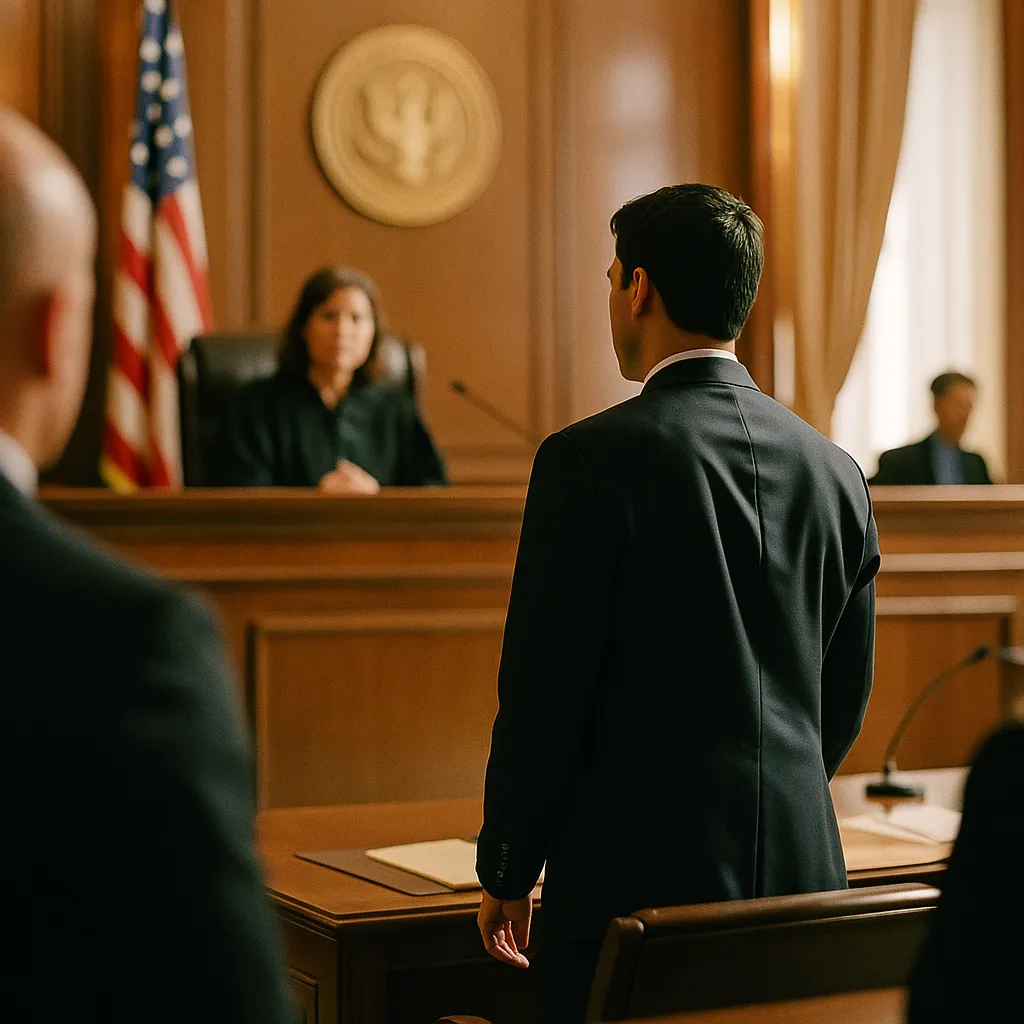
Major music publishers and Anthropic squared off before a federal judge on October 21 to argue whether training Claude on copyrighted song lyrics constitutes fair use — a case that legal observers say could set binding precedent for every AI company that builds models on licensed creative content. The hearing is part of a broader shift: October 2026 is being called the month AI litigation stopped looking like novelty cases and started looking like a permanent docket.
The stakes: If publishers prevail, AI companies will face retroactive licensing obligations or be forced to retrain models without licensed material. If Anthropic prevails, a broad safe harbor for AI training on copyrighted content could shield the industry for years.
The Case
According to Above the Law, the publishers' central argument is that training a commercial AI model on copyrighted lyrics is not transformative use — the traditional legal test for fair use — because the model competes with, and can reproduce, the underlying work. Anthropic's defense rests on the argument that training is more analogous to a human reading a song to learn language patterns than to copying a song to distribute it.
The October 21 hearing did not produce a ruling. It marks a stage in discovery and motions practice that will determine what evidence reaches trial.
What makes this case significant beyond music:
Get this in your inbox.
Daily AI intelligence. Free. No spam.
- Song lyrics are among the most clearly authored, commercially licensed creative content in existence. A ruling here directly applies to books, articles, and scripts.
- The publishers' legal theory — that training on licensed content without a license is infringement — is structurally identical to claims pending against other AI companies in separate cases.
- The same week, new suits were filed against Grok and Meta. This is not a one-off.
AI Litigation Is No Longer a Novelty Docket
The Anthropic case is one of several signals that courts are treating AI IP disputes as a distinct and permanent category of litigation:
- New suits filed against Grok and Meta in the same week as the Anthropic hearing
- Legal AI tool hallucination rates of 17–33% in paid legal research platforms have drawn explicit judicial scrutiny, with judges in multiple jurisdictions questioning the reliability of AI-assisted brief writing
- Vendors in the legal AI space are now competing explicitly on "fiduciary-grade citation accuracy" — a direct response to court pressure
The hallucination issue is worth holding separately from the training data question: they are distinct problems with distinct legal consequences. Hallucinated citations in filed briefs expose the lawyers who filed them. Training data infringement exposes the AI companies that built the models. Both issues are live simultaneously.
What Each Outcome Means
If music publishers win:
- Anthropic and other AI companies that trained on copyrighted content face retroactive licensing negotiations or damages
- AI companies will need to either license training data explicitly or demonstrate that their models were not trained on specific copyrighted material — a technically difficult proof in large-scale training runs
- Licensing markets for creative content will emerge quickly; rights holders will have negotiating leverage they currently lack
If Anthropic wins:
- Broad fair use protection for AI training creates a stable legal foundation for the industry
- Rights holders lose their primary litigation leverage and shift strategy to lobbying for legislative changes
- International divergence increases: EU AI Act already treats training data provenance as a compliance matter, regardless of US court outcomes
For legal AI tools specifically:
The hallucination scrutiny is an independent pressure point. Courts have begun issuing sanctions — including six-figure penalties — for AI-hallucinated citations in filed documents. That trend is accelerating whether or not the copyright cases resolve in the industry's favor.
The Broader Pattern
October 2026 is notable not just for the number of AI cases, but for their sophistication. Early AI lawsuits relied on existing copyright frameworks applied awkwardly to new technology. The current wave includes arguments tailored specifically to AI's training mechanics, deployment architecture, and commercial structure. The courts are catching up.
For companies building AI products, the practical takeaway is that training data provenance — knowing exactly what content your model was trained on and whether you have rights to it — is no longer just a compliance checkbox. It is the factual foundation of litigation defense.
What to Watch
The timeline to a ruling in the Anthropic case depends on how discovery proceeds. Watch for whether the court compels Anthropic to disclose training data composition — that question alone could reshape industry practices. Congressional hearings on AI copyright are scheduled for early 2027; a favorable ruling for either side before then would shift the legislative dynamic significantly.
Did this help you understand AI better?
Your feedback helps us write more useful content.
Get tomorrow's AI briefing
Join readers who start their day with NexChron. Free, daily, no spam.