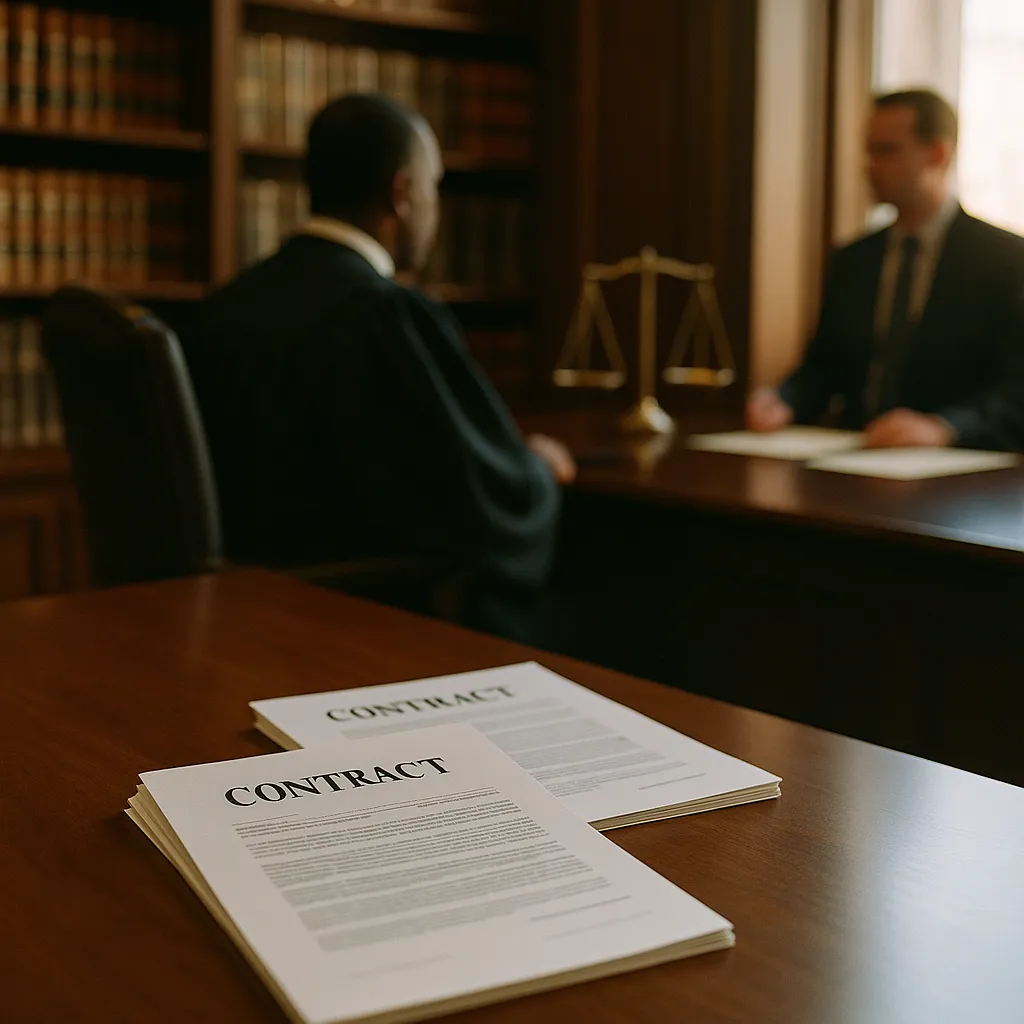
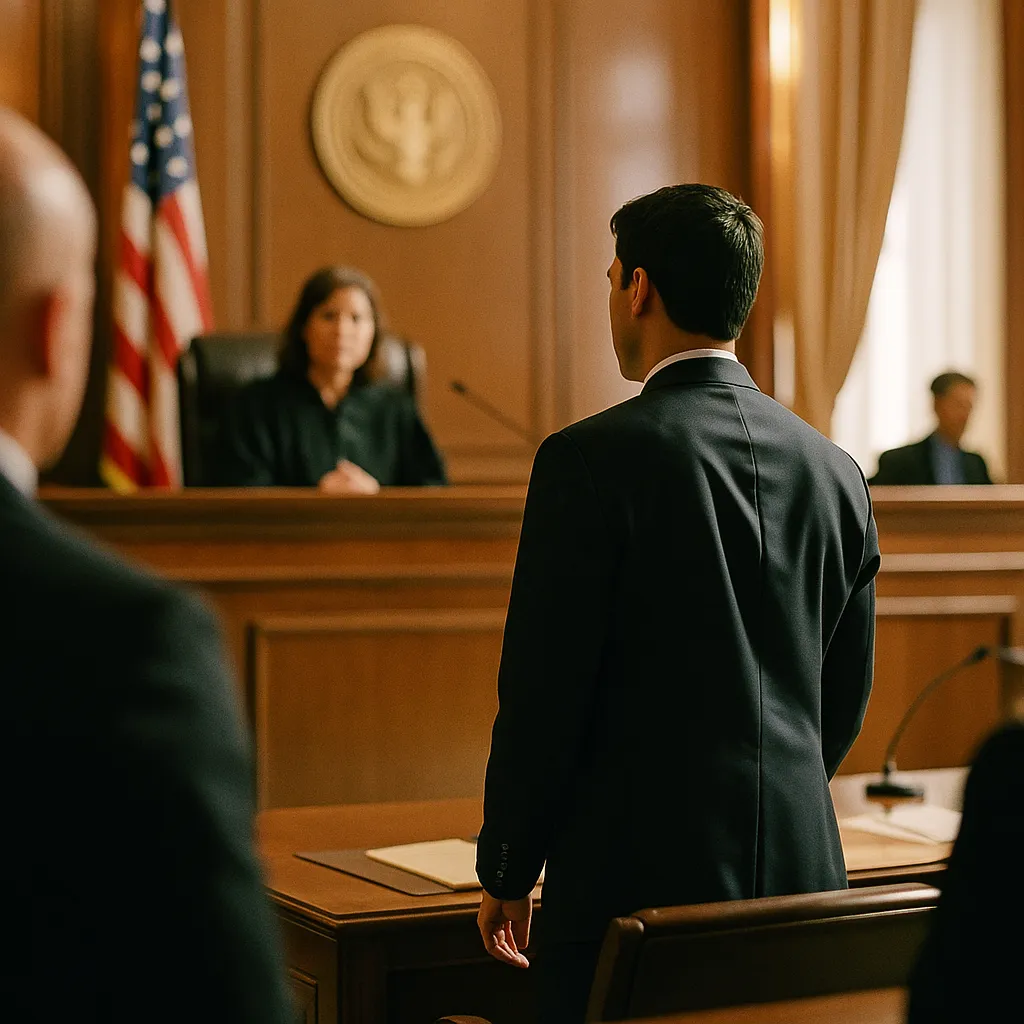
A U.S. Court of Federal Claims judge has ordered four government attorneys to explain why they should not be sanctioned for misrepresenting how the U.S. Army used AI to evaluate contract proposals — a case that goes beyond citation hallucinations into deliberate mischaracterization of AI's role.
A U.S. Court of Federal Claims judge has ordered four government attorneys to explain why they should not be sanctioned after making factual misrepresentations about how the U.S. Army used AI to evaluate contract proposals. The case goes beyond the citation-hallucination penalties that courts have issued over the past two years and into more serious territory: deliberate mischaracterization of an AI system's role in a consequential government decision.
Law360 reported the judge's order, which required the attorneys to respond within 14 days with justification for why sanctions — which could include monetary penalties, referral to bar counsel, or other disciplinary measures — are not warranted.
What Happened
The case involves a government contract award in which the U.S. Army used an AI system to assist in evaluating competing proposals. In the litigation that followed the award decision, government attorneys represented to the court that the AI system played a limited or procedural role in the evaluation — a characterization the judge found to be materially inaccurate based on the evidence presented.
The judge's order does not characterize the misrepresentation as negligent or inadvertent. The framing of the order — requiring justification for why sanctions should not be imposed — signals that the court believes the inaccurate description was a deliberate litigation choice rather than a mistake about a technical system's function.
Why This Case Is Different
Courts have been issuing sanctions for AI-related conduct since 2023, but nearly all prior cases involved attorneys submitting AI-generated citations to non-existent cases — a failure of verification, not intent. Those cases established that lawyers are responsible for checking AI outputs before filing.
Get this in your inbox.
Daily AI intelligence. Free. No spam.
This case establishes a different and more consequential principle: lawyers who accurately know how an AI system was used in a government decision cannot misrepresent that use to a court. The government's obligation to candor to the tribunal does not have an exception for facts involving AI.
The distinction matters because AI is increasingly embedded in procurement decisions, benefits determinations, and regulatory actions — functions where litigation routinely follows. If government lawyers can strategically understate AI's role to make adverse decisions appear more procedurally sound, the accountability trail for AI-influenced government decisions effectively disappears.
The Broader Pattern
This case arrives as Congressional lawmakers are advancing proposals to require mandatory disclosure when federal agencies use AI in decisions affecting individual rights or significant contracts. The Army case illustrates exactly the gap those proposals are designed to close: there are currently no standardized requirements for how agencies document AI's role in procurement decisions, and no judicial standard specifically governing how that role must be described in litigation.
Courts are filling that vacuum through individual sanction orders. But ad hoc judicial responses are slower and more inconsistent than legislative standards.
What to Watch
The immediate question is whether the four attorneys provide justification sufficient to avoid sanctions, or whether the court proceeds to impose penalties. A sanctions order — particularly one that includes referral to bar counsel — would create a formal disciplinary record with implications for government attorneys beyond this case.
More broadly, this case will be cited in the Congressional debate over AI disclosure requirements. Lawmakers pushing for mandatory AI use documentation in federal procurement have a concrete, current example of what happens when that documentation does not exist: courts cannot determine what the government actually decided, and the lawyers litigating the outcome cannot describe it accurately.
Did this help you understand AI better?
Your feedback helps us write more useful content.
Get tomorrow's AI briefing
Join readers who start their day with NexChron. Free, daily, no spam.