Bupa has deployed DERM, the world's only CE Class III autonomous AI medical device, delivering melanoma risk assessments in 60 seconds — without a clinician in the loop.
Bupa Deploys World's Only Class III Autonomous AI Device for Skin Cancer Screening
By Hector Herrera | April 30, 2026 | NexChron.com
Bupa has integrated DERM — the world's only CE-marked Class III autonomous AI medical device — into its at-home skin cancer pathway, allowing the AI to render a clinical melanoma risk assessment without any clinician reviewing the image first. It is the most advanced autonomous AI deployment in clinical medicine anywhere in the world right now, and it's already operating at scale.
What Makes This Different From Other Medical AI
Most AI in healthcare is a decision-support tool. A radiologist looks at an AI flag. A pathologist reviews an AI-highlighted region. The human is always in the loop before any clinical decision is made.
DERM breaks that pattern. Class III CE marking — the EU's highest-risk medical device certification — grants DERM regulatory approval to make autonomous clinical determinations without a clinician in the loop for initial assessment. It is not helping a doctor decide. It is deciding, under an internationally recognized regulatory framework that explicitly permits it.
There is no other AI device with this designation in clinical operation globally, according to Bupa's announcement.
The Details
- Developer: Skin Analytics, a UK-based medtech company
- Product: DERM (Dermatology Electronic Referral Management)
- Deployment: Bupa at-home skin cancer pathway
- Certification: CE Class III — highest clinical risk category, autonomous operation permitted
- Turnaround: Melanoma risk assessment delivered within 60 seconds of image submission
- Accuracy benchmark: 99.9% exclusion accuracy — meaning the system correctly rules out non-melanoma cases at near-perfect rates
- Scale: Over 30,000 Bupa customers served; helped detect 24,000 cancers
- Referral impact: Clinical referrals increased 260% since the pathway launched
Patients use the service from home: they photograph suspicious skin lesions using a standardized process and submit via the Bupa app. DERM analyzes the images and returns a risk stratification. High-risk cases are escalated to a dermatologist. Low-risk cases are cleared without consuming a specialist appointment.
Why the Regulatory Distinction Matters
The difference between "AI-assisted" and "autonomous AI" is not semantic — it determines how an entire clinical workflow is designed.
Get this in your inbox.
Daily AI intelligence. Free. No spam.
AI-assisted tools increase the efficiency of clinicians who remain responsible for the decision. That's valuable, but the bottleneck stays where it was: the physician's time. Autonomous AI removes the bottleneck entirely for the initial screen. At 99.9% exclusion accuracy, DERM can clear low-risk patients at machine speed, reserving dermatologist time for the cases that actually need it.
This is why the Class III certification is significant beyond Bupa's deployment. It establishes that regulators can grant autonomous AI devices clinical operating rights when accuracy data supports it — and that manufacturers can clear that bar. The precedent is now on the record.
The Numbers Tell the Story
A 260% increase in referrals doesn't mean 260% more cancers. It means the pathway is reaching people who previously didn't access screening — either because dermatologist availability was a barrier, or because the friction of booking a specialist appointment caused delay.
Skin cancer caught early is nearly always survivable. Skin cancer caught late is among the deadliest. The 24,000 cancers detected through DERM's deployment represent lives directly affected by the availability of a faster, more accessible screening pathway.
What This Means for the Healthcare Industry
Every hospital system and insurer watching this deployment faces the same question: if regulators have cleared an autonomous AI device for melanoma screening, what else can be cleared?
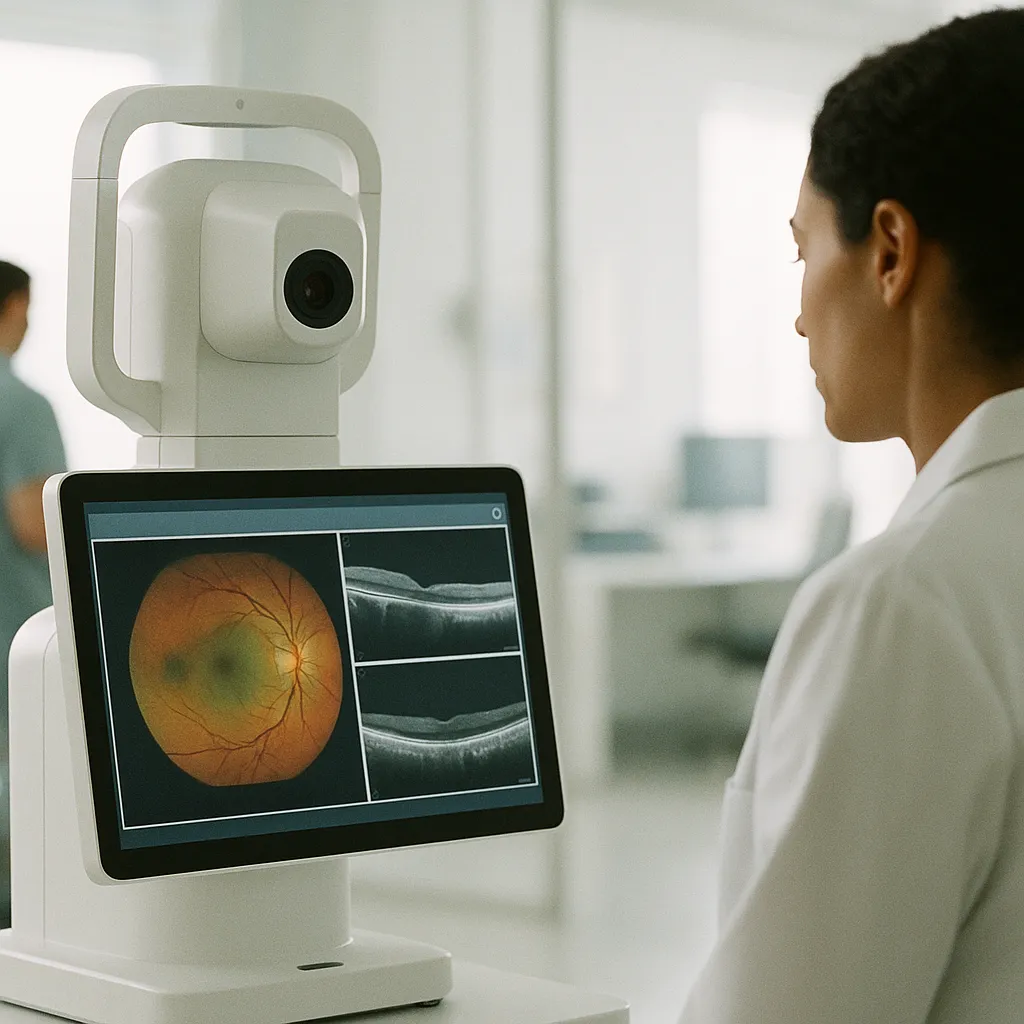
The implications extend well beyond skin. Diabetic retinopathy screening (automated eye scan analysis) has already reached near-autonomous deployment in some markets. Chest X-ray triage AI is in pilots across the NHS and US health systems. DERM's Class III status creates a regulatory template that other developers can now point to when arguing their own autonomous devices deserve equivalent consideration.
For employers and insurers offering health benefits, this also signals a new cost model: AI screening delivered at home, at machine speed, with physician time reserved for positive cases. That's a structurally different economics of preventive care.
What to Watch
Skin Analytics and Bupa have not disclosed the timeline for expanding the autonomous pathway to additional skin conditions or geographies. Watch for other EU and UK insurers to seek similar DERM partnerships — and for the FDA equivalent (De Novo pathway for novel AI devices) to see increased submissions citing DERM's CE Class III precedent.
Any adverse outcome publicized from an autonomous AI clinical decision will receive enormous scrutiny. How regulators, clinicians, and the public respond to that first high-profile error will define whether autonomous medical AI expands or retreats.
Medical disclaimer: This article covers a regulatory and technology development. It is not medical advice. For concerns about skin changes, consult a qualified dermatologist.
Sources: Corporate Adviser
Did this help you understand AI better?
Your feedback helps us write more useful content.
Get tomorrow's AI briefing
Join readers who start their day with NexChron. Free, daily, no spam.