All four major US AI companies testified under oath before the New York City Council on Monday. SpaceXAI defied its subpoena — and now faces enforcement in state court.
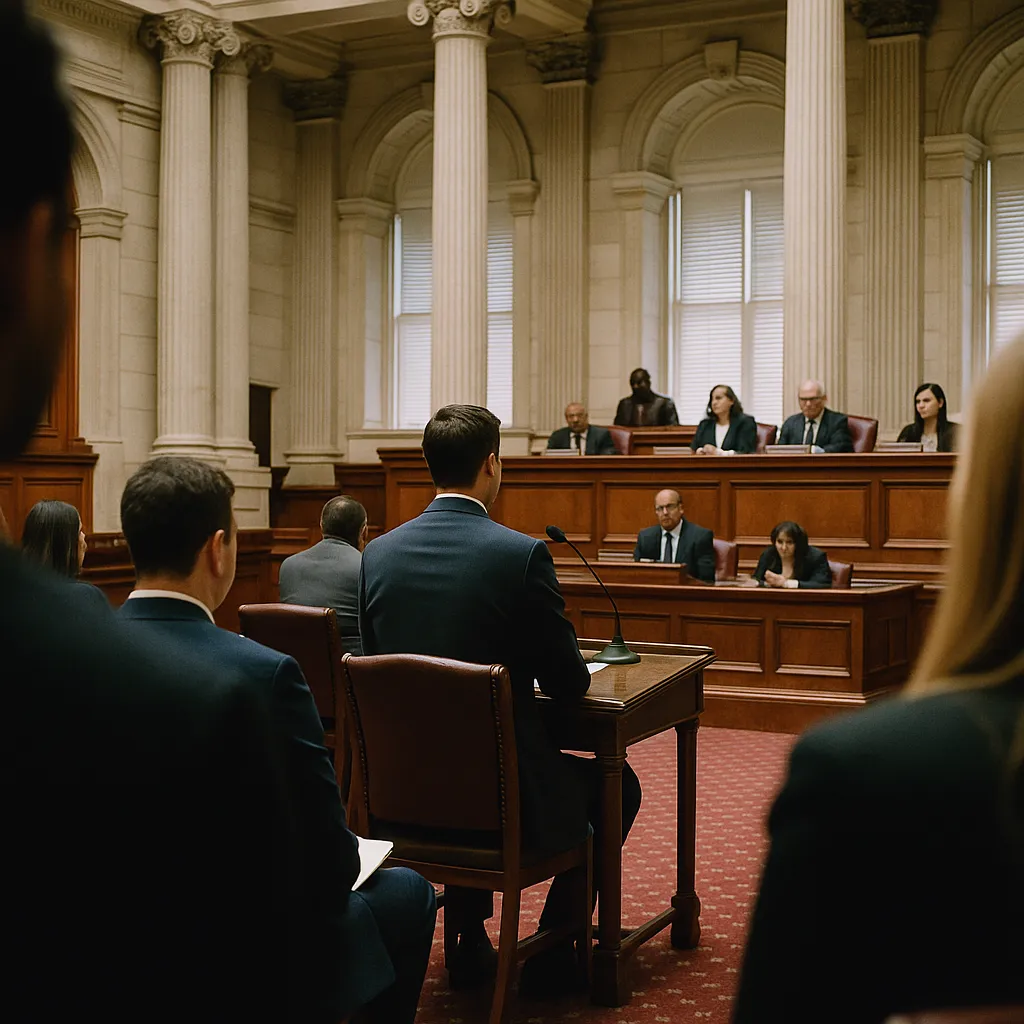
All four of the largest AI companies in the United States testified under oath before the New York City Council on Monday in one of the most consequential domestic hearings on artificial intelligence this year. The session turned confrontational when SpaceXAI, the AI division backed by Elon Musk, defied a subpoena to appear — a rare act of defiance that will now be litigated in New York State Supreme Court.
The full 51-member New York City Council convened in an unusual all-committee format, a procedural signal that leadership wanted this on the record as binding as possible. Representatives from OpenAI, [Anthropic, Google](/security/frontier-model-forum-china-ai-theft), and Meta testified under oath on AI risks and proposed legislation affecting New York residents and businesses. It is rare for a city council — rather than Congress or a federal agency — to compel sworn testimony from all four major AI developers simultaneously.
What Happened in the Hearing Room
Council Speaker Julie Menin announced that SpaceXAI was the only company subpoenaed that refused to comply. The council will now seek enforcement through New York State Supreme Court, potentially setting a precedent for how municipal governments can compel cooperation from technology companies that operate in their jurisdiction.
The most striking moment came from an Anthropic whistleblower who told the full council: "It is more likely than not that humanity loses control to these AIs" on the current development trajectory. That language — delivered under oath in a public proceeding — is more direct than anything Anthropic has stated in its own published safety research. Whistleblower testimony under oath carries different legal and reputational weight than anonymous leaks or think-tank reports.
The four companies that did appear — OpenAI, Anthropic, Google, and Meta — were questioned on proposed New York City legislation covering AI risks to residents. The specifics of what legislation is under consideration, and what commitments if any were made during testimony, will matter for what comes next.
Get this in your inbox.
Daily AI intelligence. Free. No spam.
Why New York City, and Why Now
New York City is not a federal regulator. It cannot write national AI law. But it governs 8.3 million people, is home to major financial services, media, healthcare, and legal institutions that are adopting AI tools rapidly, and has significant leverage over companies that want to do business with city agencies, schools, and hospitals.
The all-committee format signals that this is not a one-off hearing. Municipalities have used similar procedures to compel cooperation from ride-sharing companies, social media platforms, and pharmaceutical distributors when federal agencies moved too slowly. The SpaceXAI subpoena defiance is the first serious test of whether that leverage extends to AI companies.
What This Means for the AI Industry
For AI companies operating in major cities: A New York City Supreme Court ruling on the subpoena enforcement question could establish or eliminate municipal subpoena authority over technology companies. If the council wins, other large cities — Los Angeles, Chicago, Houston — gain a legal template.
For Anthropic specifically: The whistleblower's testimony puts Anthropic in an uncomfortable position. The company publicly advocates for safety-focused AI development while an insider told a city council under oath that the current path is likely catastrophic. That gap between public messaging and insider assessment will be cited in future regulatory proceedings.
For SpaceXAI: Defying a subpoena is a high-risk posture. The enforcement action will generate a public court record. If the council prevails, SpaceXAI faces both legal costs and a formal finding of non-compliance. If SpaceXAI prevails, it signals that municipal subpoena power over AI companies has hard limits — which may encourage other companies to push back on future requests.
For legislators: The hearing gives city and state lawmakers specific, sworn testimony to cite when drafting bills. Sworn statements are harder to walk back than lobbying briefings or op-eds.
What to Watch
The New York State Supreme Court enforcement action against SpaceXAI is the immediate thing to follow — a ruling establishing or denying the city's authority to compel AI company testimony would ripple beyond New York. Separately, watch whether the proposed New York City AI legislation advances to a full council vote and what compliance requirements it imposes on companies operating in the city.
Did this help you understand AI better?
Your feedback helps us write more useful content.
Get tomorrow's AI briefing
Join readers who start their day with NexChron. Free, daily, no spam.