The inaugural African AI Film Festival in Los Angeles showcased filmmakers from Africa and the diaspora using generative AI to produce short films centered on African narratives — and surfaced the tools' cultural limitations along the way.
Inaugural Africa AI Film Festival Celebrates Diaspora Creators Using Generative AI to Tell African Stories
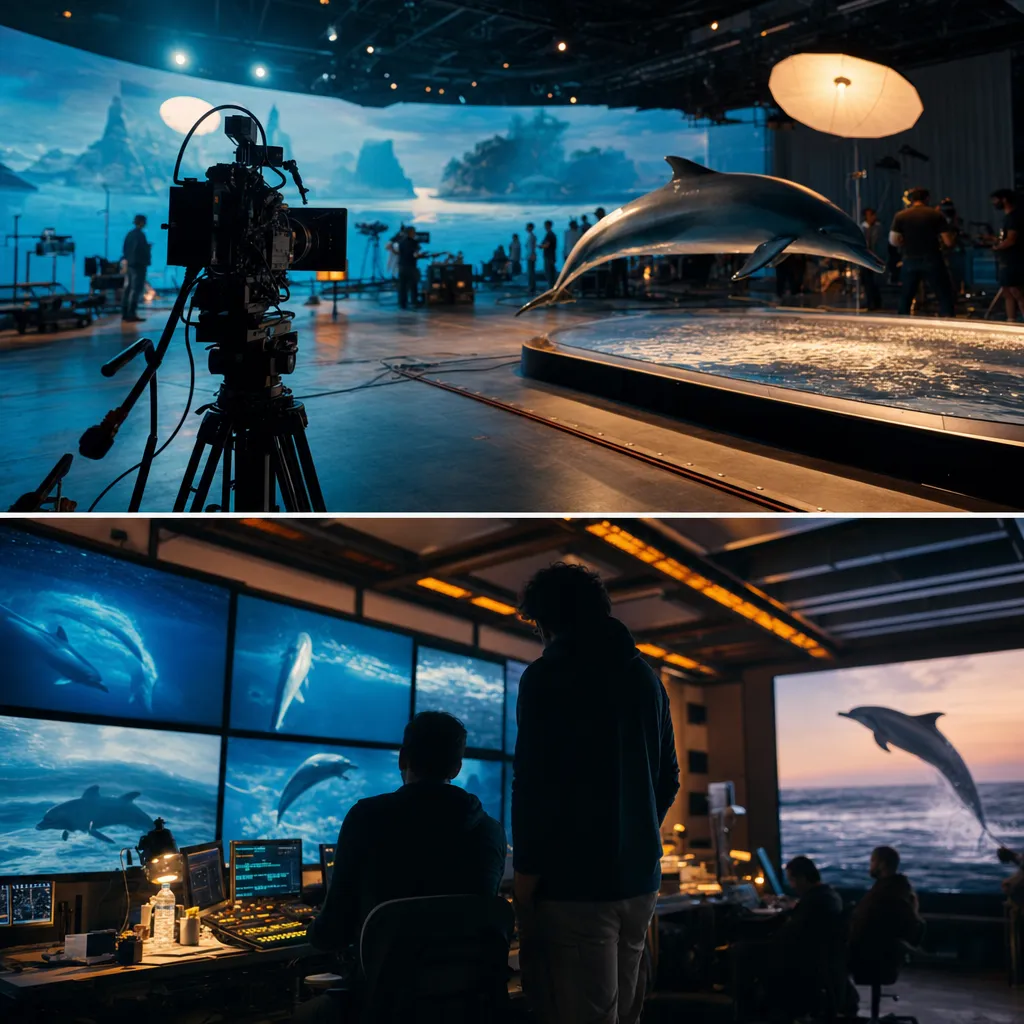
The first African AI Film Festival staged in Los Angeles last week, showcasing short films from African and diaspora creators using generative AI tools to produce work that — organizers argued — commercial studios and traditional production pipelines rarely greenlight.
The two-day event, held November 21-22, adds Los Angeles to a growing global calendar of AI creative festivals that are institutionalizing AI as a recognized artistic medium. Tokyo, Tel Aviv, and New York now host their own dedicated AI film festivals. What distinguishes the Africa AI Film Festival is its explicit focus on narrative representation: the event was designed not just to showcase AI-made films, but to amplify African and diaspora stories that have been systematically underrepresented in mainstream media.
The Cultural Argument
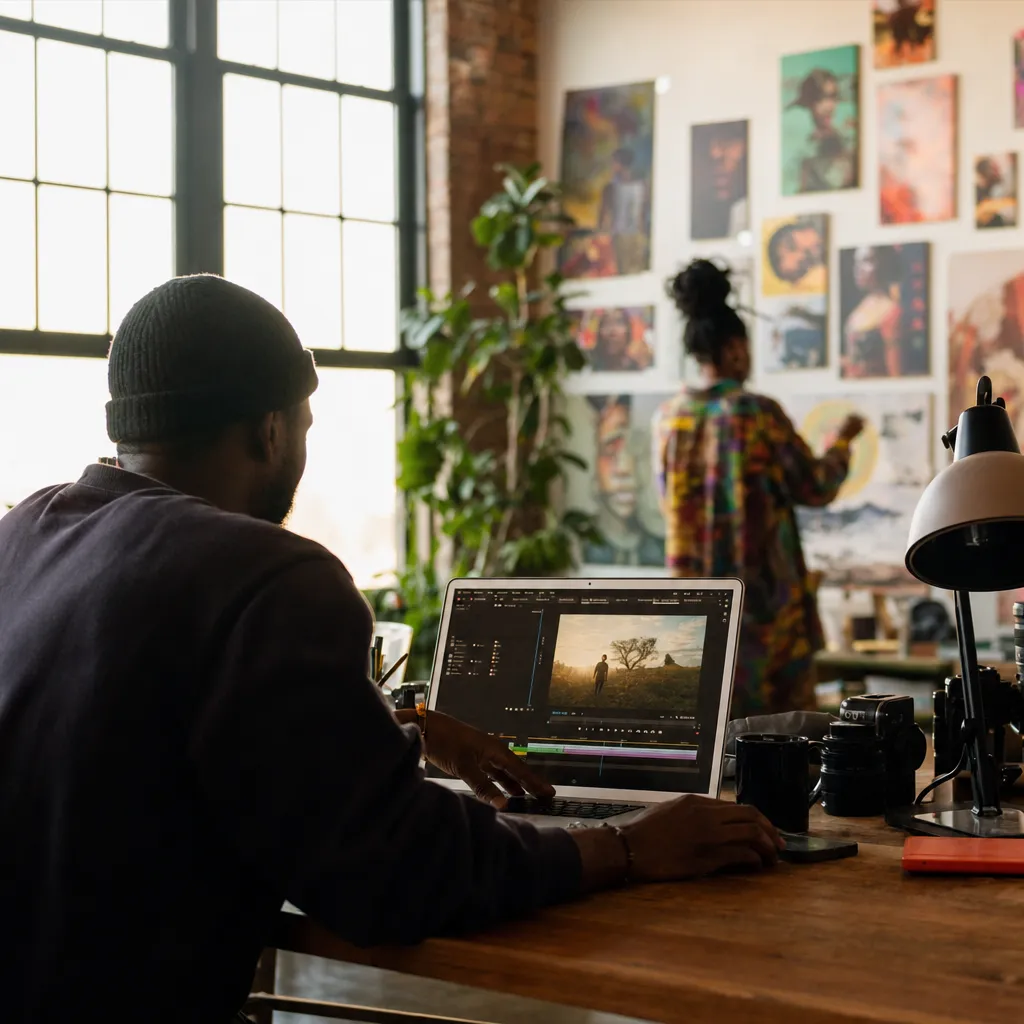
The organizers' premise is specific: generative AI lowers the production barrier that has historically gatekept who gets to make films. High-budget cinematography, visual effects, and location shooting require capital that diaspora filmmakers rarely have access to. AI-generated imagery, voice synthesis, and scene extension tools let a creator with a laptop produce work that would otherwise require a crew.
That's the promise. The festival was designed to test whether it holds for African storytelling specifically — whether the tools, trained predominantly on Western visual aesthetics and cultural references, can be deployed authentically for stories that don't center European or American cultural contexts.
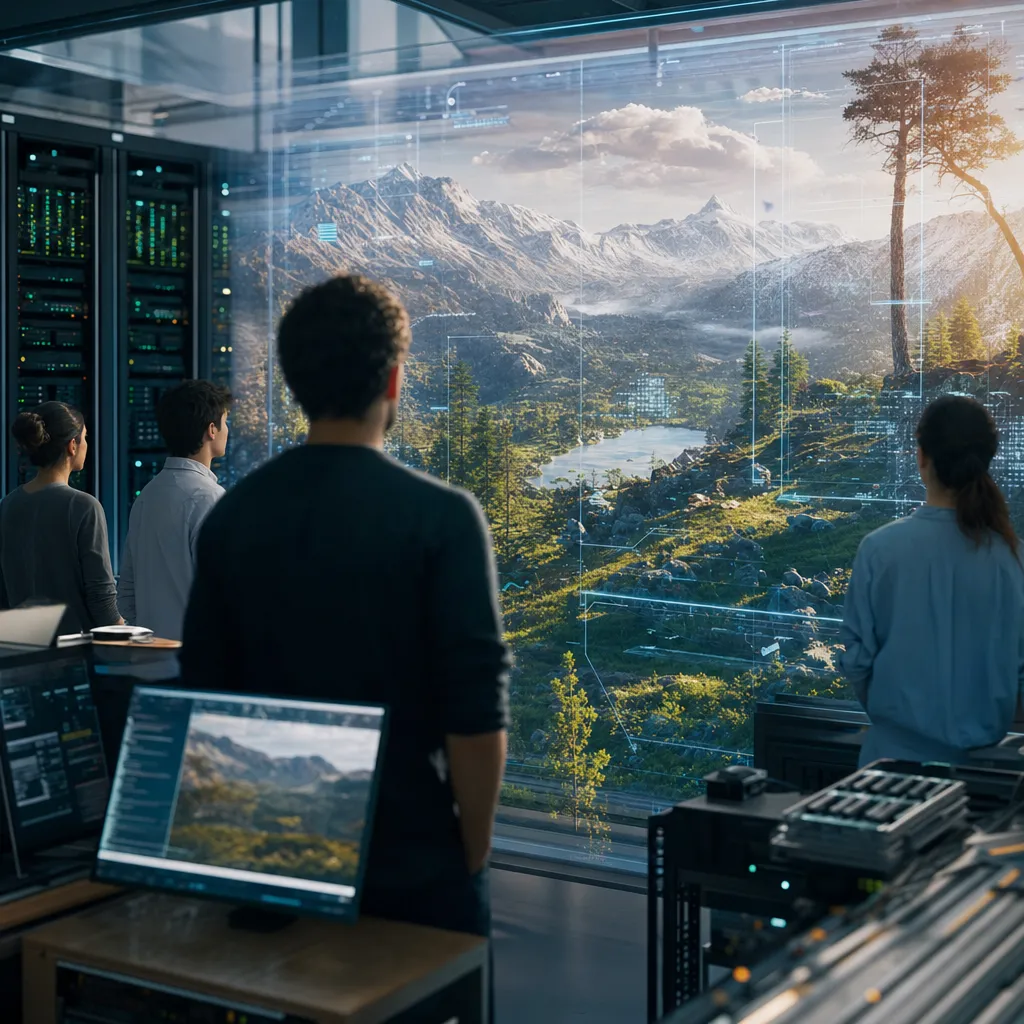
This is not a hypothetical concern. AI image generation models have documented biases toward Western visual norms: skin tones, architectural styles, clothing, and setting details that read as "default" in training data skewed toward Western sources. Filmmakers working with African narratives have reported having to actively fight the model's defaults to get culturally specific outputs. The festival surfaced these challenges alongside the work itself.
Get this in your inbox.
Daily AI intelligence. Free. No spam.
Where This Fits in the Industry
The Africa AI Film Festival arrives at a moment of genuine tension in the film industry. AI's displacement of human storytellers — writers, animators, visual effects artists — has been one of the defining industrial disputes of 2026. Guild agreements negotiated this year reflect how seriously that tension has hardened into labor policy.
The festival does not resolve that tension. What it does is complicate the simple framing. The same tools that studios use to reduce production costs are, in the hands of diaspora creators with limited budgets, the tools that make production possible at all. Whether that's creative liberation or a different form of dependence on technology controlled by a handful of American companies is a question the festival surfaced without definitively answering — which is probably the right approach for a first-year event.
Festivals as Institutional Signals
Festivals institutionalize art forms. Tokyo's AI Film Festival, now in its third year, has begun attracting submissions from major studios. Tel Aviv's festival has been cited in Israeli cultural policy discussions. New York's AI cinema programming has started influencing what film school curricula include.
The establishment of a dedicated African AI Film Festival in Los Angeles — the center of the global film industry — signals that AI-generated work from African and diaspora creators is not an experiment or a curiosity. It's a category with its own festival, its own curatorial standards, and its own developing critical vocabulary.
That institutional recognition matters practically. Grants, residencies, and distribution deals follow established festival recognition. Film financing bodies and streaming platforms pay attention to what gets screened where. Creators who premiere work at recognized festivals enter a different conversation with the industry than those who post on social media.
What to Watch
The festival's organizers have not yet announced a 2027 edition. The key markers: whether the first year generates enough audience and industry response to secure sponsorship for a second, and whether major streaming platforms — Netflix has invested heavily in African content — engage with the emerging festival circuit as a talent discovery pipeline.
The model of AI-augmented filmmaking is not going away. The question is who controls the tools, who benefits from the content, and whether economic value flows to the creators or to the platforms. For African and diaspora filmmakers, those are old questions in a new form — but the festival suggests there's a community that intends to answer them on its own terms.
Did this help you understand AI better?
Your feedback helps us write more useful content.
Get tomorrow's AI briefing
Join readers who start their day with NexChron. Free, daily, no spam.