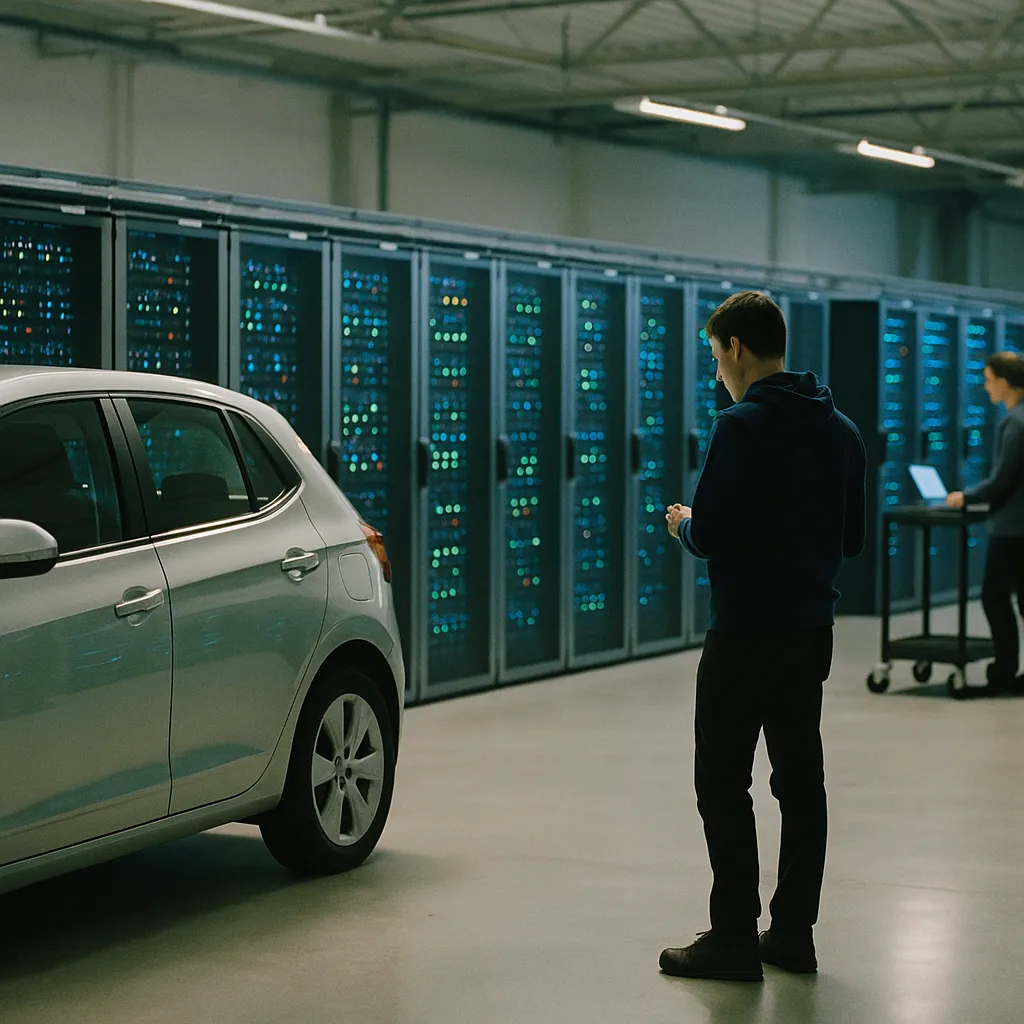
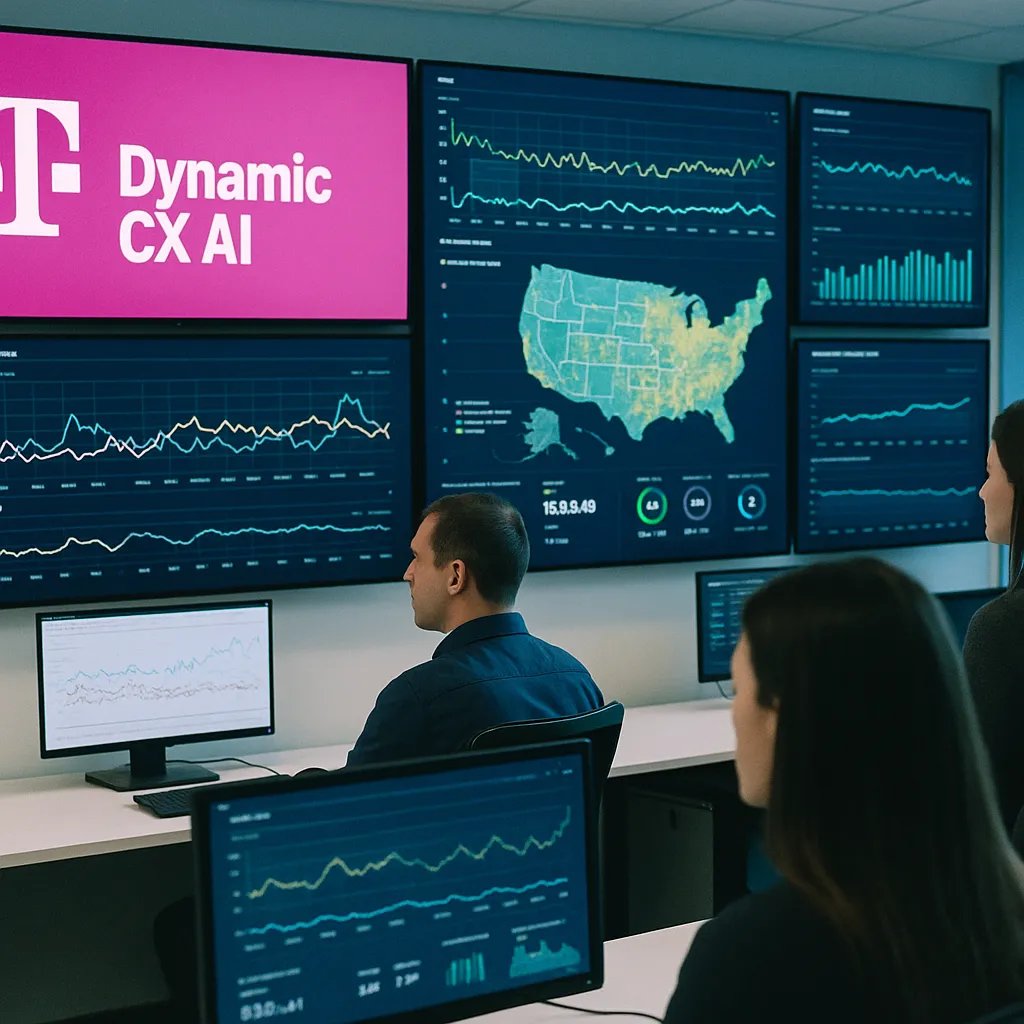
India's COAI DigiCom Summit 2026 concluded with unified calls for AI-led, self-optimizing telecom networks to support 5G Advanced rollout across the world's largest mobile market.
India's Telecom Leaders Call for AI-Led Networks as 5G Advanced Rollout Accelerates
By Hector Herrera | April 26, 2026
India's COAI DigiCom Summit 2026 concluded on April 25 with a unified call from regulators, government officials, and telecom executives for a secure, AI-driven digital ecosystem capable of supporting 5G Advanced rollout and expanding IoT deployments across the world's largest mobile market. The summit's conclusions reflect a broader industry consensus taking shape globally: that future telecommunications networks must be AI-led by design, not as an afterthought.
What the Summit Concluded
According to IANS Live, participants at the COAI (Cellular Operators Association of India) DigiCom Summit 2026 converged on several key positions:
- Future networks should be AI-led, self-optimizing, and energy-efficient to handle emerging 5G Advanced use cases
- AI governance frameworks for next-generation telecommunications infrastructure need to be established before deployment scales further
- Security must be built into AI-driven network architecture, not treated as a compliance layer added afterward
- IoT expansion — with billions of connected devices expected across agriculture, manufacturing, and smart city applications — requires networks that can manage dynamic, heterogeneous traffic at scale
The summit brought together COAI leadership, senior government officials from the Ministry of Communications, and executives from India's major carriers including Reliance Jio, Bharti Airtel, and Vodafone Idea.
Why AI-Led Networks Are a Meaningful Shift
Traditional telecommunications networks are configured and managed by human engineers working on systems that follow predefined rules. A cell tower experiencing interference gets flagged; an engineer schedules a fix. A traffic spike triggers capacity alerts; operators manually adjust routing.
Get this in your inbox.
Daily AI intelligence. Free. No spam.
AI-led networks replace that reactive model with predictive, self-optimizing systems. The network monitors its own performance continuously, predicts where congestion or interference will occur before it happens, and adjusts in real time — rerouting traffic, adjusting power levels, and reallocating spectrum dynamically.
For 5G Advanced — the next iteration of 5G with significantly higher speeds, lower latency, and more precise positioning — AI-led management isn't optional. The complexity of managing massive MIMO (multiple-input, multiple-output) antenna arrays, millimeter wave spectrum, and the density of connections required for industrial IoT applications exceeds what traditional network management approaches can handle efficiently.
India's Specific Stakes
India is the world's largest mobile market by subscriber count, with over 1.17 billion mobile subscribers. The transition to 5G Advanced is not a minor infrastructure upgrade — it's the backbone for digital services across agriculture, manufacturing, healthcare, and financial inclusion in a country where mobile connectivity is the primary internet access point for hundreds of millions of people.
The combination of scale and diversity creates unique AI network challenges that don't exist in smaller, more homogeneous markets:
- Geographic diversity — from dense urban corridors in Mumbai and Delhi to rural agricultural regions with widely dispersed users
- Device heterogeneity — smartphones from five decades of technology coexisting on the same networks
- Language diversity — network services and AI assistants that must function across 22 constitutionally recognized languages
Getting AI-led network governance right in India at this scale would produce frameworks applicable to large emerging markets globally — a significant influence opportunity for Indian telecom regulators.
What to Watch
Whether India's Department of Telecommunications translates the COAI summit conclusions into formal AI governance standards for telecom networks, and on what timeline, will determine whether this represents regulatory intent or aspirational positioning. Watch also for whether Reliance Jio — India's dominant carrier with the resources to move fastest — announces specific AI network deployments that give concrete shape to the summit's vision.
Hector Herrera covers telecommunications and AI infrastructure for NexChron.
Did this help you understand AI better?
Your feedback helps us write more useful content.
Get tomorrow's AI briefing
Join readers who start their day with NexChron. Free, daily, no spam.