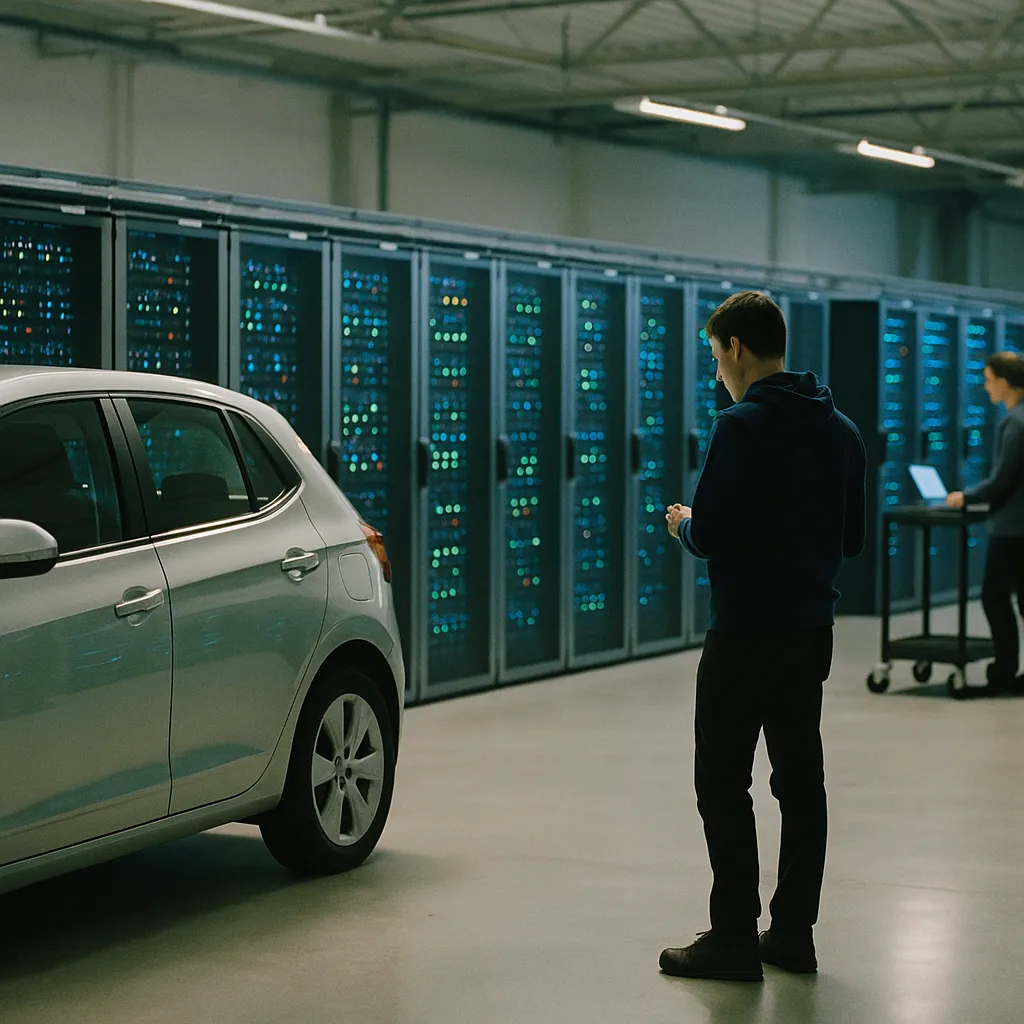
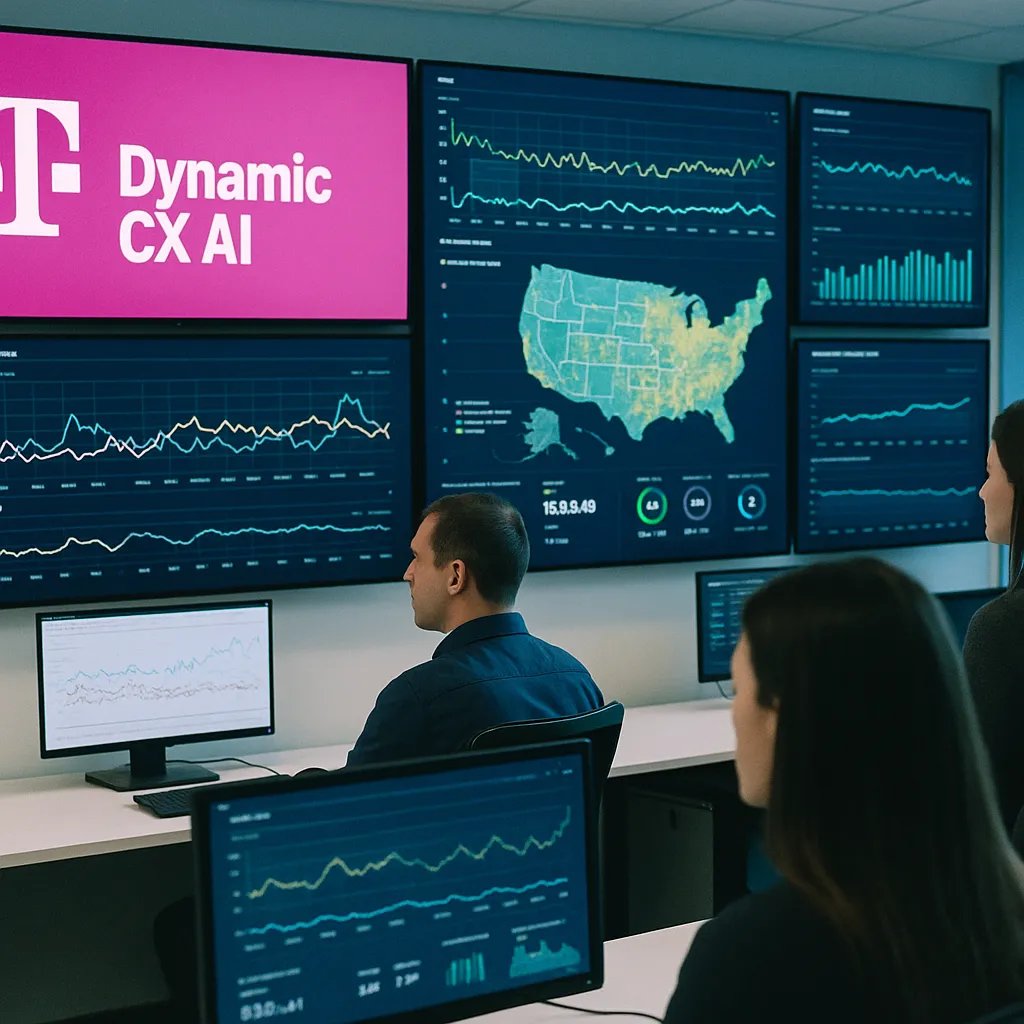
AI-native radio networks have delivered 15% throughput gains in testing, but most telecom operators remain in pilots — bottlenecked not by the technology but by legacy integration, workforce retraining, and uncertain ROI timelines.
AI RAN in 2026: Where the Industry Actually Stands on AI-Native Radio Networks
By Hector Herrera | May 25, 2026 | Telecom
AI-native radio access networks (AI RAN) have delivered real, measurable throughput gains in controlled deployments — but the majority of telecom operators worldwide are still running pilots rather than production systems. That's the honest picture from Fierce Network's 2026 AI RAN outlook, which finds the technology at a genuine inflection point: technically sound, commercially uneven, and bottlenecked by organizational challenges that have nothing to do with the AI itself.
Understanding the gap between AI RAN's promise and its current deployment reality matters because the wireless industry is using the technology to justify significant capital decisions — and not all of those claims are equally supported by evidence.
What AI RAN Actually Is
A traditional radio access network (RAN) — the infrastructure that connects your phone to a cell tower — is engineered to operate within fixed parameters. Engineers configure signal allocation, power levels, and interference management based on anticipated conditions. The system follows those rules whether conditions change or not.
AI RAN replaces static rule sets with machine learning models that continuously optimize radio parameters in real time. Instead of allocating spectrum based on predetermined patterns, an AI-native RAN observes actual demand, traffic patterns, weather-related signal behavior, and interference dynamics — and adjusts accordingly, continuously.
The theoretical benefits are straightforward: better spectrum efficiency, lower power consumption, and higher throughput for the same hardware investment.
What the Evidence Actually Shows
The clearest production evidence for AI RAN's benefits comes from T-Mobile's collaboration with Ericsson, which demonstrated up to 15% improvement in downlink throughput — the speed at which data travels from the network to a user's device — in live testing conditions.
That result is meaningful. A 15% throughput gain without new spectrum or new towers represents genuine efficiency improvement from the same physical infrastructure investment. For operators facing spectrum scarcity and infrastructure costs, it's a compelling data point.
What Fierce Network's outlook underscores is that the T-Mobile/Ericsson result hasn't been widely replicated in live commercial deployments at scale. The technology works; most operators haven't yet built the conditions needed to run it effectively.
The Real Barriers Aren't Technical
Fierce Network's assessment identifies three organizational and operational barriers holding back AI RAN deployment — none of which are about whether the AI models work.
Get this in your inbox.
Daily AI intelligence. Free. No spam.
Legacy integration complexity
Telecom operators run their networks on layered systems built over decades. The OSS (Operations Support System) and BSS (Business Support System) — the software platforms that manage network operations, service delivery, billing, and maintenance — weren't designed to interface with AI models making real-time decisions. Integrating AI RAN into existing operations requires substantial re-engineering of these back-end systems, which is expensive, disruptive, and time-consuming.
Workforce retraining at scale
Network engineers who've spent careers tuning radio parameters manually are not automatically equipped to oversee AI-managed systems. The job changes in both direction: they need to understand when and why the AI is making specific decisions, and they need to know when to intervene — which requires new diagnostic skills, not just retraining in old skills on a new platform.
ROI justification with uncertain timelines
This is the sharpest barrier. AI RAN requires real capital expenditure for hardware upgrades, software licensing, and integration work. The throughput gains demonstrated in pilots are real, but converting them into business case approval requires forecasts of when the investment pays back — and those timelines remain uncertain for most operators. Throughput improvements alone don't always translate directly to revenue. The stronger business case involves opex savings (less manual intervention, lower energy use), but quantifying those in advance is difficult.
Who Is Running at Scale
Fierce Network identifies a small cohort of operators running live AI-native RAN deployments at commercial scale. South Korean operators, who have historically been early adopters of network technology, are the clearest examples. Select European markets are also further along than US and Asian operators outside Korea.
The gap between these early leaders and the rest of the industry is informative: the leaders typically have newer network infrastructure (reducing legacy integration complexity), regulatory environments supportive of AI deployment, and competitive dynamics that make the investment urgency clearer.
What This Means for the Industry
For equipment vendors — Ericsson, Nokia, Samsung — AI RAN is a premium product layer on top of existing infrastructure contracts. The stronger the case for AI RAN's ROI, the larger the upgrade cycle. Both Ericsson and Nokia have been publishing AI RAN results aggressively for this reason.
For telecom operators, the decision calculus is more complex: AI RAN is not a plug-in upgrade. It's a platform shift that requires organizational transformation alongside the technology investment. Operators that treat it as a software add-on are likely to underperform the benchmarks; operators that treat it as a multi-year transformation project may find the business case more defensible.
For enterprise customers and investors evaluating telco commitments to AI, Fierce Network's assessment is a useful calibration: the gap between announcement and deployment in this sector is wider than most marketing suggests.
What to Watch
The next 18 months will determine whether AI RAN achieves the commercial velocity the industry is projecting. Key markers:
- RFP activity from Tier 1 US operators will signal whether the business case has passed internal scrutiny at the carriers with the most resources to commit
- Independent benchmark audits — GSMA or 3GPP working groups publishing standardized AI RAN performance metrics — would reduce the information asymmetry that currently makes it hard for operators to compare vendor claims
- Energy cost dynamics: As AI data center demand pushes up power costs, AI RAN's claimed efficiency advantages may become easier to quantify and justify
The technology isn't the question in 2026. The organizational transformation required to use it well is where the work is.
Hector Herrera covers AI, telecommunications, and infrastructure. Follow NexChron for daily AI intelligence.
Did this help you understand AI better?
Your feedback helps us write more useful content.
Get tomorrow's AI briefing
Join readers who start their day with NexChron. Free, daily, no spam.