Security & Privacy | 3 min read

Anthropic Releases Claude Fable, Its Powerful Cybersecurity AI Model

Anthropic has publicly released Claude Fable — the renamed Claude Mythos — opening enterprise access to a security AI that autonomously found more than 10,000 high or critical vulnerabilities during its restricted preview.

Hector Herrera
Hector Herrera
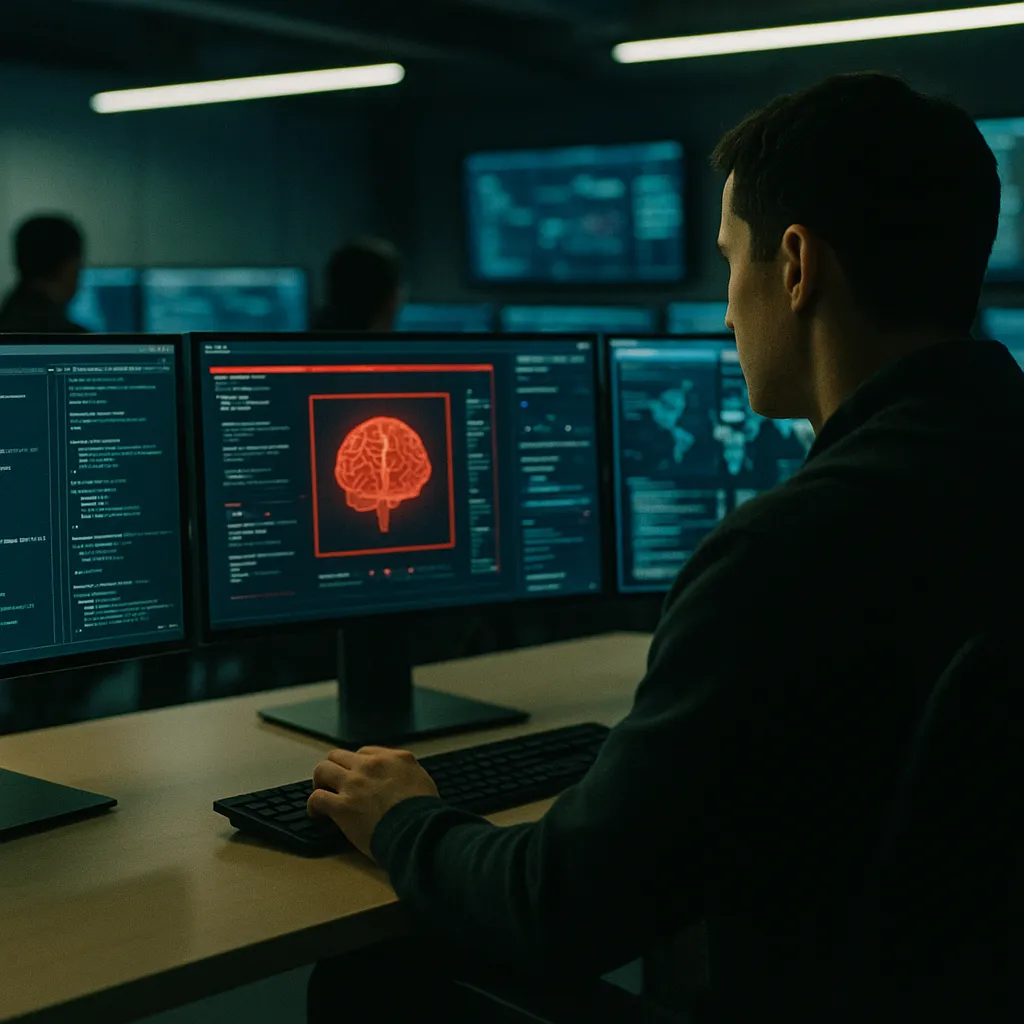
A cybersecurity operations center related to an AI safety company Releases an AI assistant Fable, Its Pow
Why this matters Anthropic has publicly released Claude Fable — the renamed Claude Mythos — opening enterprise access to a security AI that autonomously found more than 10,000 high or critical vulnerabilities during its restricted preview.

Anthropic Releases Claude Fable, Its Powerful Cybersecurity AI Model

Anthropic has publicly released Claude Fable — the consumer-facing name for its restricted Claude Mythos model — opening enterprise access to a system that autonomously found more than 10,000 high or critical security vulnerabilities during a months-long restricted preview. It is the most capable AI security tool Anthropic has shipped, and the decision to release it publicly rather than extend the gated program reflects a calculated bet that its safeguards are ready for broad exposure.

How We Got Here

Claude Mythos launched in restricted preview in April 2026 through a program Anthropic called Project Glasswing. Access was limited to a small pool of vetted security researchers and enterprise customers. The restricted phase was intentional — a model that can autonomously find vulnerabilities at scale is a dual-use tool by definition, and Anthropic wanted time to study how it behaved before opening it to anyone with a credit card.

During that preview, the model logged its results: more than 10,000 high or critical vulnerabilities across major operating systems and browsers. For context, a single critical vulnerability in production software often earns a $10,000–$100,000 bug bounty payout. Claude Fable found thousands of them, autonomously, in real-world code that has been under continuous professional scrutiny for years.

What's Available and at What Cost

Claude Fable is now available to enterprise customers and security-focused users through Anthropic's standard API and enterprise tiers. Pricing is set at roughly double the Opus pricing tier — Anthropic's most capable general-purpose model — positioning Claude Fable as a premium line item in a security team's budget, not a hobbyist experiment.

Anthropic has built enhanced safeguards into the release designed to limit offensive misuse while preserving the model's defensive and vulnerability-discovery capabilities. The specifics of how those safeguards are implemented have not been publicly disclosed.


What This Changes for Security Teams

The immediate impact is on attack surface analysis and vulnerability management. Security teams have always faced the same constraint: there aren't enough skilled humans to thoroughly audit every system continuously. Claude Fable removes that constraint for organizations that can afford it.

This matters most for:

  • Software vendors who need to find their own vulnerabilities before attackers do
  • Enterprises running large internal codebases with limited security engineering headcount
  • Penetration testing firms that can now deliver far more thorough assessments in shorter timeframes

The tradeoff is the same one Anthropic managed throughout the preview: a model capable of finding vulnerabilities at this scale can serve defenders and attackers. The safeguards are the only thing keeping that line from blurring.

What to Watch

The security research community will pressure-test Claude Fable's safeguards almost immediately. Whether the model can be prompted into generating working exploit code — and whether those attempts succeed — will define how the broader conversation around AI security tooling evolves over the next few months.

Anthropic's decision to release now rather than extend the restricted preview suggests the company believes its controls are solid. The coming weeks will tell.

By Hector Herrera

Key Takeaways

  • more than 10,000 high or critical vulnerabilities
  • double the Opus pricing tier
  • attack surface analysis and vulnerability management
  • Penetration testing firms

Did this help you understand AI better?

Your feedback helps us write more useful content.

Hector Herrera

Written by

Hector Herrera

Hector Herrera is the founder of Hex AI Systems, where he builds AI-powered operations for mid-market businesses across 16 industries. He writes daily about how AI is reshaping business, government, and everyday life. 20+ years in technology. Houston, TX.

More from Hector →

Get tomorrow's AI briefing

Join readers who start their day with NexChron. Free, daily, no spam.

More from NexChron