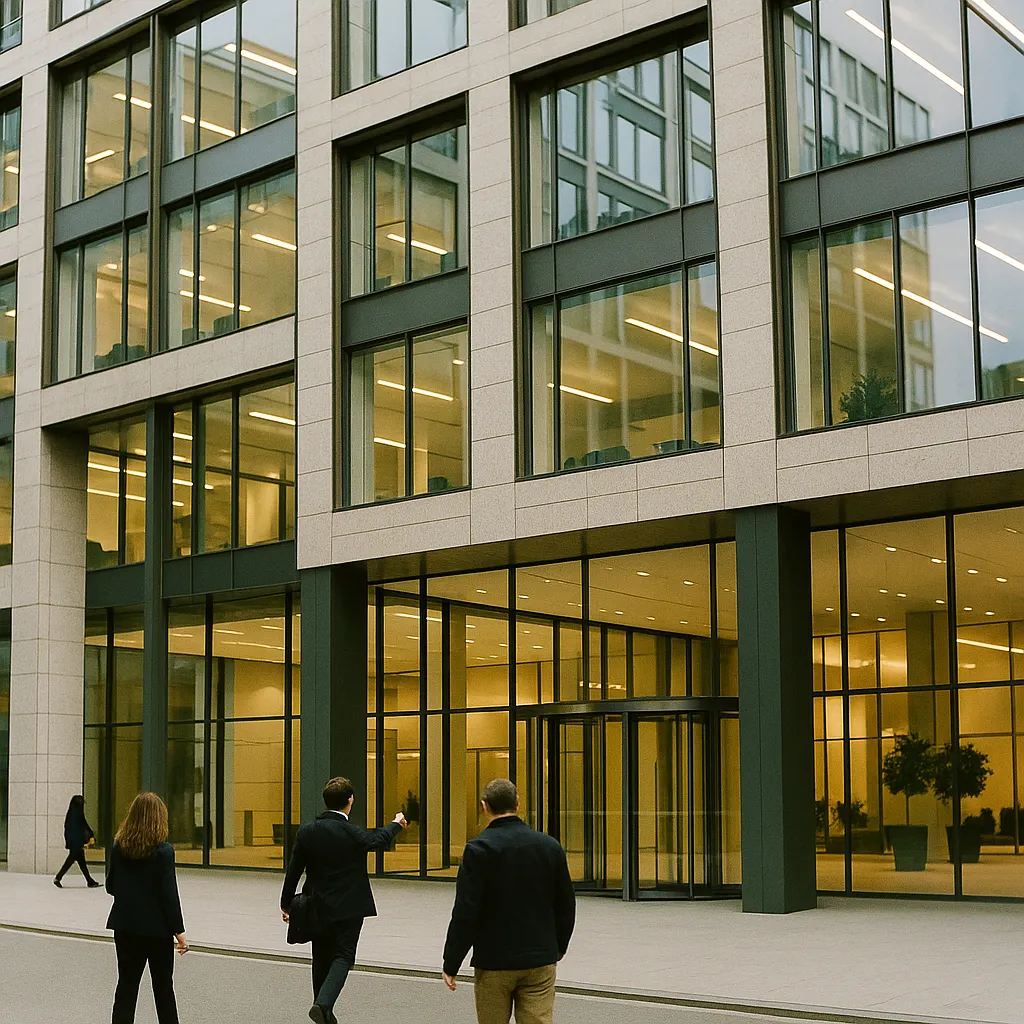
AI tools are making it trivially easy to digitally alter real estate listing photos, prompting MLS platforms like Stellar MLS to deploy AI detection to flag manipulated images.
AI Is Altering Home Listing Photos — and MLS Platforms Are Deploying AI to Catch It
By Hector Herrera | November 5, 2026 | Real Estate
AI tools have made it trivially easy to alter real estate listing photos — removing water damage, adding staged furniture that isn't there, or digitally replacing a cracked driveway with a pristine one. The gap between what a buyer sees online and what they find at a showing is widening. MLS platforms are now deploying AI to catch what AI created.
Stellar MLS, one of the largest multiple listing services in the US, has deployed Restb.ai photo-compliance technology to flag manipulated listing images — a direct counter-deployment to the AI manipulation tools proliferating among sellers and their agents. The move signals that AI-generated listing fraud has matured from an emerging concern to an operational problem that requires a systematic response.
What AI Manipulation Looks Like
The tools enabling this are not specialized or expensive. Consumer-grade AI image editors can now:
- Remove visible damage — water stains, mold, cracks, peeling paint, structural defects
- Add furniture and fixtures — staging empty rooms with AI-generated furnishings that do not exist
- Replace flooring and surfaces — swapping worn carpet for hardwood, damaged tile for new
- Alter exterior conditions — removing dead landscaping, filling cracks, brightening faded paint
- Modify neighborhood context — in some documented cases, removing visible neighboring structures or power lines
None of these changes require significant technical skill. Several consumer apps offer one-click real estate photo enhancement. The legal line — between acceptable digital staging and fraudulent misrepresentation — is unclear in most jurisdictions, and that ambiguity is being exploited.
The Legal Ambiguity
Real estate listing photos exist in a legal gray zone. The National Association of Realtors and most MLS organizations have rules against materially misleading images, but enforcement has historically been difficult, slow, and inconsistent.
Traditional photo manipulation was often detectable by eye: bad clone-stamping, inconsistent lighting, obvious artifacts. AI-generated alterations are qualitatively different — they are photorealistic, internally consistent, and designed to be indistinguishable from authentic photography.
Get this in your inbox.
Daily AI intelligence. Free. No spam.
The burden on buyers has shifted. Where previously a careful viewer could spot amateur manipulation, now detecting AI alteration requires either AI detection tools or in-person verification — which is not always available before purchase commitments are made in competitive markets.
Sellers and their agents face a different calculus: the tools are available, the probability of detection before sale has historically been low, and the upside (faster sale, higher offer) is real. The incentive structure favors manipulation until enforcement catches up.
How Restb.ai Detection Works
Restb.ai's photo-compliance platform uses computer vision models trained on listing images to identify:
- Signs of AI-generated or heavily edited content
- Disclosure violations (listings that show photos inconsistent with property records)
- Quality and content compliance issues unrelated to manipulation
The system is not a perfect detector — AI manipulation that is sufficiently sophisticated will evade AI detection, at least initially. What it creates is a systematic review layer that scales: rather than relying on buyers or agents to flag suspicious images manually, Stellar MLS can now run every listing photo through automated compliance review.
The practical effect is to raise the manipulation detection rate and increase the perceived risk for agents considering image alteration. That deterrence value may matter more than detection accuracy.
An Arms Race the Industry Did Not Plan For
The Stellar MLS deployment is early evidence of an arms race that the real estate industry was not prepared for:
- Consumer AI image tools proliferate
- Listing photo manipulation increases
- Buyer trust in listing photography decreases
- MLS platforms deploy AI detection
- AI manipulation tools adapt to evade detection
- Cycle continues
The long-term resolution almost certainly involves mandatory disclosure requirements for AI-altered images — similar to staging disclosure requirements that some states already enforce for virtual staging. What is currently voluntary (some platforms have adopted "AI-enhanced" tags) is likely to become mandatory as manipulation incidents accumulate in legal records.
What Buyers Should Do Now
Until detection infrastructure matures and disclosure requirements catch up:
- Request original, unedited photos — legitimate sellers and agents should be able to provide them
- Use street-view and satellite imagery to cross-check exterior conditions before scheduling showings
- Verify material conditions in-person before submitting offers, and include inspection contingencies regardless of how good photos look
- Be skeptical of images with unusual perfection — real properties have imperfections; pristine images of older properties deserve scrutiny
What to Watch
Watch for NAR policy updates on AI image disclosure requirements — the association has been slow to respond but competitive pressure from MLS platforms implementing their own standards will force the issue. Also watch for the first significant legal case in which a buyer sues based on AI-manipulated listing photos — that precedent will accelerate industry and regulatory response faster than any voluntary standard.
Did this help you understand AI better?
Your feedback helps us write more useful content.
Get tomorrow's AI briefing
Join readers who start their day with NexChron. Free, daily, no spam.