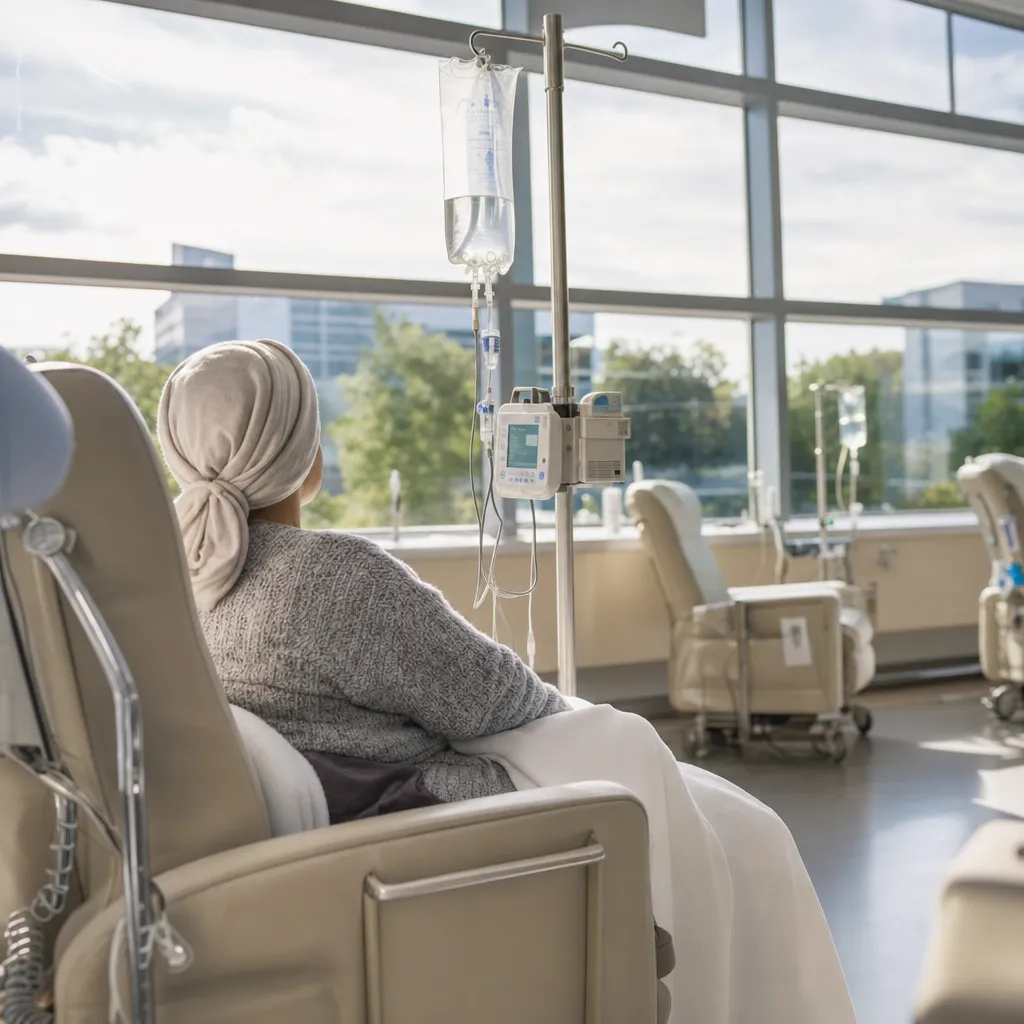
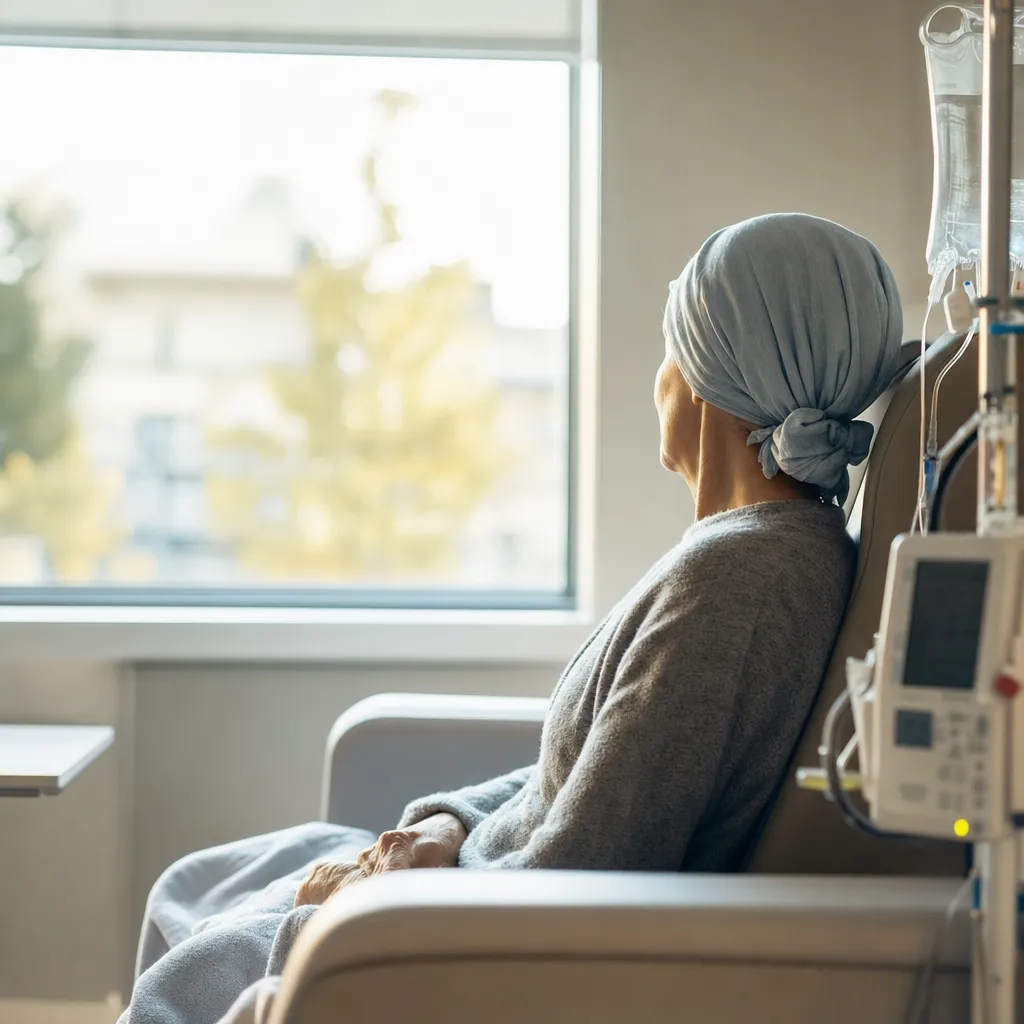
The American Nurses Association is launching a $5 million, three-year program to close the AI skills gap among frontline nurses in rural and underserved communities, funded by Johnson & Johnson and Google.org.
The American Nurses Association launched a three-year, $5 million program to close the AI skills gap among frontline nurses in rural and underserved communities. The initiative — named Nurse AI Training in Rural and Underserved Communities and funded by the Johnson & Johnson Foundation and Google.org — arrives as the $4.9 trillion healthcare sector deploys AI at more than twice the pace of the broader economy, with most of that investment concentrated in major metropolitan hospital systems.
Nurses in rural areas are often the primary decision-makers in the absence of specialists. When AI tools reshape clinical workflows, those nurses need to understand them. Most current AI training programs don't reach them.
What the Program Covers
The ANA announcement named Rich G. Kenny as VP of AI and Digital Health Programs at the ANA, the executive leading the initiative. The program focuses specifically on populations that mainstream healthcare AI investment leaves behind:
- Target population: Frontline nurses practicing outside major metropolitan centers
- Duration: Three years
- Budget: $5 million
- Funders: Johnson & Johnson Foundation, Google.org
- Goal: Close the AI skills gap before it becomes a permanent care quality divide
The program's name is deliberate about what it's solving: not AI in general, but AI in the places where AI training programs don't normally go.
Get this in your inbox.
Daily AI intelligence. Free. No spam.
The Skills Gap It's Addressing
Healthcare AI is accelerating. Electronic health record platforms are embedding AI documentation assistants. Diagnostic imaging AI is clearing FDA review at an accelerating pace. Clinical decision support tools are proliferating. In well-funded urban hospital systems with dedicated IT departments and change management resources, nurses receive training as these tools roll out.
In rural critical access hospitals, community health centers, and federally qualified health centers, the picture is different. These facilities often operate with minimal administrative infrastructure, no dedicated AI implementation team, and nurses who are already stretched across more functions than their urban counterparts.
The consequence is a care quality gap that compounds over time: nurses who understand and can work with AI diagnostic tools are better positioned to catch errors, document care accurately, and allocate their attention effectively. Nurses who never received training operate at a structural disadvantage that affects patients.
Why Google.org Is Involved
Google.org's participation signals something beyond philanthropy. Google has substantial commercial interest in healthcare AI through Google Cloud's healthcare APIs, Med-PaLM 2, and its partnerships with major hospital systems. Funding rural nurse AI training builds the human infrastructure that makes those tools usable in settings that currently can't absorb them.
That's a long-term market development play as much as a charitable one. Rural and underserved healthcare facilities represent a large underserved market for healthcare AI tools — if the workforce is trained to use them.
What to Watch
- How the ANA structures the curriculum: which AI tools nurses will be trained on, and whether training concludes with verified competency or just completion certificates
- Whether $5 million reaches meaningful scale across the rural communities that need it most — healthcare AI training at community-by-community scale is expensive
- Whether Johnson & Johnson and Google.org extend funding after the initial three-year window, or whether the program faces a fundraising cliff to continue
Source: American Nurse
Did this help you understand AI better?
Your feedback helps us write more useful content.
Get tomorrow's AI briefing
Join readers who start their day with NexChron. Free, daily, no spam.