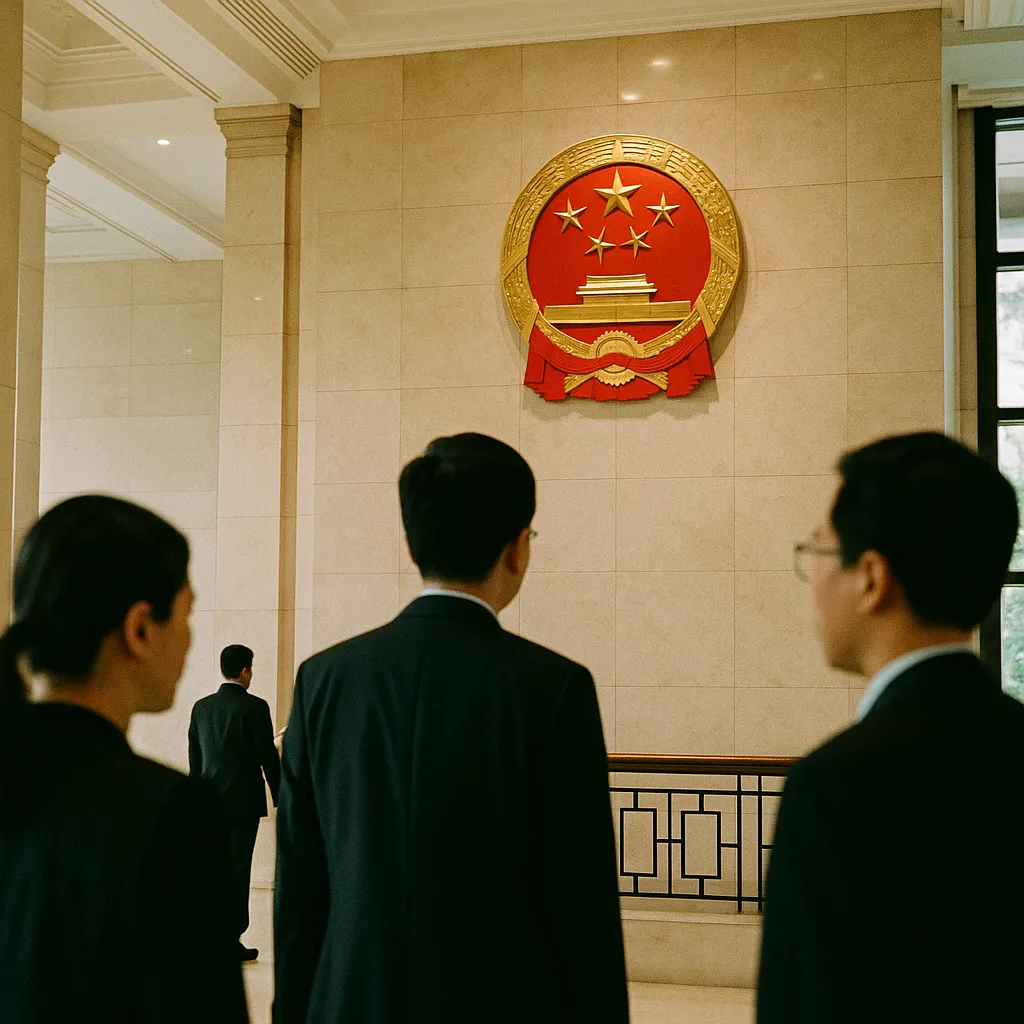
China's NDRC has ordered Meta to unwind its $2 billion acquisition of Manus — Beijing's most direct intervention yet in a U.S. tech company's attempt to acquire an AI firm tied to Chinese nationals.
China Blocks Meta's $2 Billion Acquisition of AI Startup Manus
By Hector Herrera | April 27, 2026 | Government
China's top economic planning agency has ordered Meta to unwind its $2 billion acquisition of Manus — a Singapore-headquartered AI startup whose founders are of Chinese origin — marking Beijing's most direct intervention yet in a U.S. tech company's attempt to acquire an AI firm tied to Chinese nationals. The ruling creates an immediate operational problem: Meta had already integrated Manus engineers into its teams before the order landed.
Background
Manus is an AI startup that attracted significant industry attention in 2025 for its autonomous agent capabilities — software that can plan and execute multi-step tasks with limited human direction. Although Manus is incorporated in Singapore, its founding team has Chinese origins, which placed the deal under the jurisdiction of China's national security review framework. Meta agreed to acquire Manus for approximately $2 billion, viewing it as an accelerant for its AI agent roadmap.
The National Development and Reform Commission, or NDRC, is China's chief economic planning body. It oversees foreign investment reviews and has the authority to block or unwind transactions on national security grounds.
What the NDRC Ordered
According to TechCrunch, the NDRC conducted a months-long investigation before issuing its divestiture order. The agency cited national security concerns and technology export laws as its legal basis.
Get this in your inbox.
Daily AI intelligence. Free. No spam.
The ruling requires Meta to:
- Unwind the acquisition entirely — reversing the $2 billion transaction
- Separate Manus engineers who had already been integrated into Meta's operations
- Comply with terms that have not yet been fully detailed publicly
Impact
This ruling is not routine. The NDRC's authority is typically focused on foreign investment flowing into China. Applying that authority to a deal between an American company and a Singapore-incorporated startup — on the basis that the founders are of Chinese origin — signals a meaningful expansion of how Beijing reads its own jurisdiction. Any geography-of-incorporation argument is no longer sufficient protection.
For Meta, the setback is operational as much as financial. The company didn't just sign a check — it absorbed Manus engineers into its AI teams. Unwinding that integration is significantly more complex than reversing a capital transaction. Meta's agentic AI roadmap takes a direct hit.
For U.S. tech companies broadly, this ruling establishes a new due diligence requirement: the national origin of founding teams at acquisition targets now carries regulatory risk on the Chinese side, regardless of where the company is headquartered. That adds a layer of complexity to deals across the AI startup landscape, where Chinese-origin founders are heavily represented.
For U.S.-China tech relations, the ruling closes a loop. Washington has spent years restricting Chinese entities from acquiring U.S. AI technology. Beijing is now asserting the mirror right — and applying it retroactively to a deal that was already closed. The message is unambiguous: China will review acquisitions of AI capabilities linked to its nationals, wherever those deals are structured.
What to Watch
Whether Meta challenges the ruling — and in what jurisdiction — will determine the operational timeline for the unwind. Singapore courts, U.S. courts, and bilateral trade frameworks all present different paths. Watch also for how other pending acquisitions with Chinese-origin founding teams get repriced or restructured in response. The Manus ruling gives acquirers a specific, documented risk to price in.
Did this help you understand AI better?
Your feedback helps us write more useful content.
Get tomorrow's AI briefing
Join readers who start their day with NexChron. Free, daily, no spam.