Boston Public Schools will require AI literacy for all high school graduates starting September 2026, becoming the first major US city school district to make AI fluency a graduation requirement.
Boston Public Schools announced this month that AI literacy will be required for all high school students starting September 2026, making Boston the first major US city school district to embed AI fluency as a formal graduation requirement. A $1 million seed grant from Kayak co-founder Paul English is backing the initiative as K-12 districts across the country remain sharply divided between banning generative AI tools outright and treating AI literacy as a foundational twenty-first century skill.
Why it matters: Graduation requirements don't just signal priorities—they mandate what an entire generation learns. Boston's move converts AI literacy from an enrichment option into an institutional obligation.
What the Requirement Actually Means
Most US school districts have approached AI through informal policy: acceptable-use guidelines, generative AI ban lists, or optional digital literacy electives. Making AI literacy a graduation requirement is a categorically different commitment. It mandates that every student—regardless of interest, background, academic track, or school—demonstrates a defined level of AI competency before receiving a diploma.
According to Pursuit's tracking of K-12 AI policy, Boston Public Schools is implementing this requirement starting with the September 2026 school year. The district serves approximately 48,000 students, with roughly 12,000 in high school grades, making this one of the largest implementations of mandatory AI education in US history.
The specific curriculum design—what AI literacy means in classroom terms, how proficiency is assessed, whether it's a standalone course or integrated across subjects—is the implementation question that will determine whether Boston's requirement produces genuine capability or checkbox compliance.
The Paul English Investment
The $1 million seed grant from Paul English, who co-founded Kayak before it was acquired by Booking Holdings, provides the initial infrastructure for curriculum development, teacher training, and program administration.
Get this in your inbox.
Daily AI intelligence. Free. No spam.
One million dollars is seed capital, not a comprehensive budget for a district of BPS's scale. Sustaining and expanding the program across all high school grades—with equitable implementation across schools with widely varying resources and teacher capacity—will require additional funding from federal, state, or philanthropic sources. English's backing provides a credibility signal that may help attract institutional partners and grants.
The Divide in US K-12
Boston's mandate arrives as the national policy conversation on K-12 AI remains fractured along a clear fault line.
The two camps:
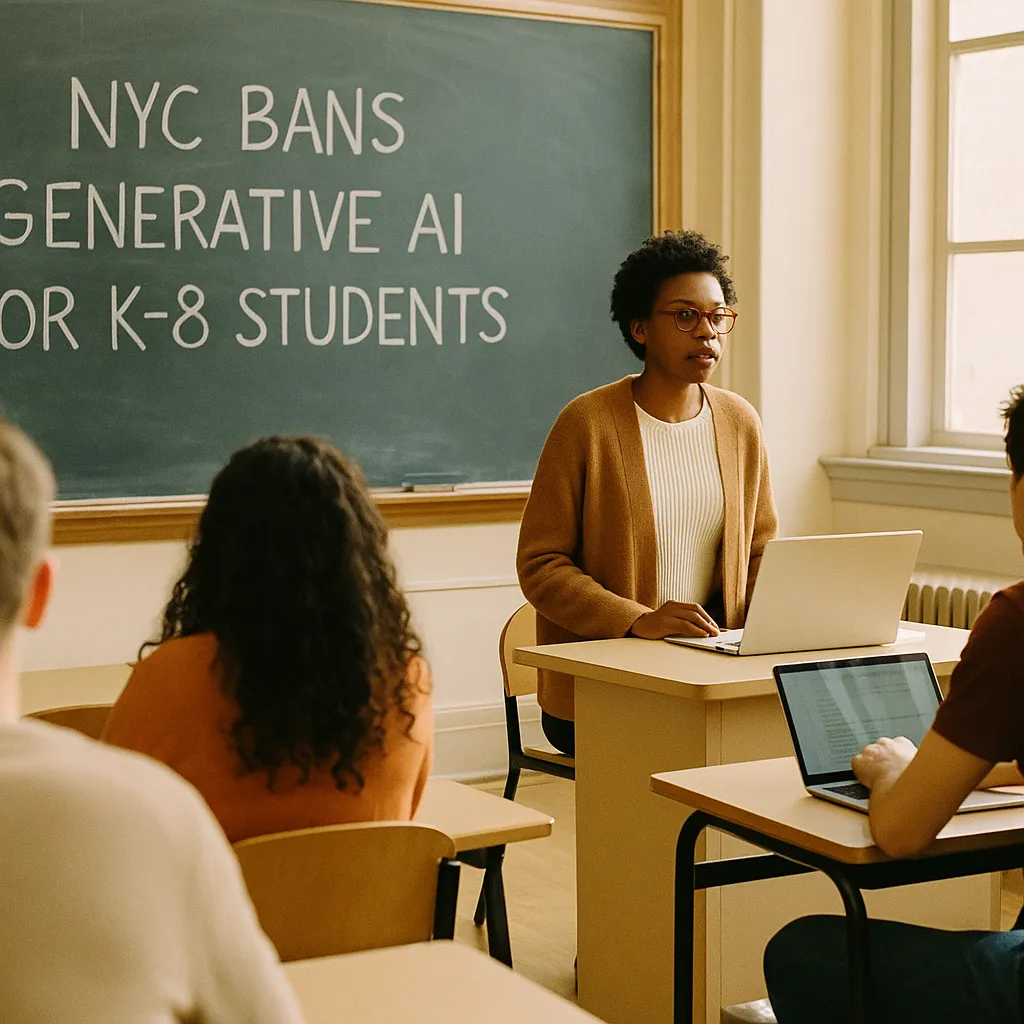
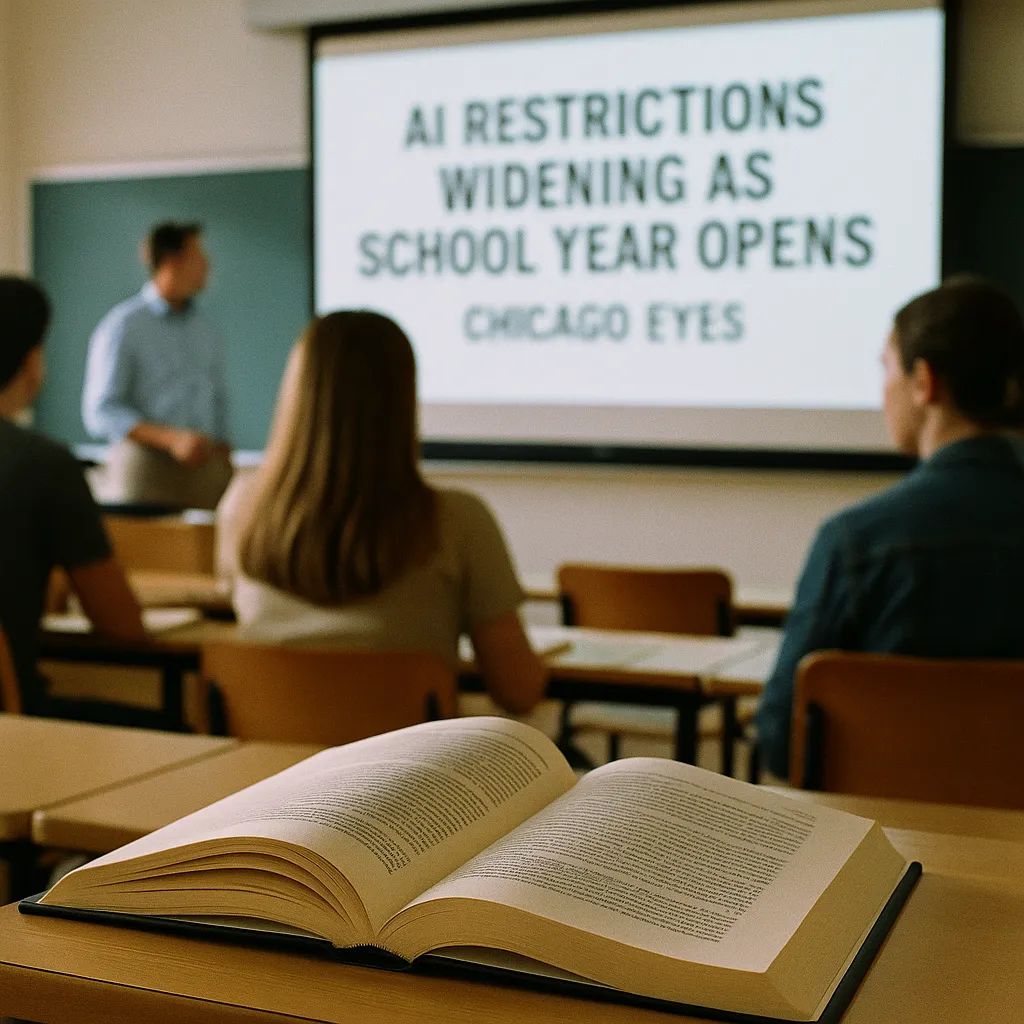
- Restriction: Ban or heavily limit generative AI to prevent academic dishonesty and protect developing critical thinking skills; treat AI as a distraction or shortcut to be managed
- Literacy: Treat AI as a foundational skill requiring instruction—the same framing that drove computer science and coding requirements into K-12 curricula over the past decade
Stanford research published earlier this year found zero causal studies demonstrating that any K-12 AI literacy program improves student outcomes—a finding that restriction advocates cite frequently. Boston's program, implemented at scale across a large urban district, will generate evidence the field needs to move the debate forward.
The Boston educator ambassadors program launched earlier this month is the professional development pipeline through which teacher capacity for the graduation requirement will need to flow. Faculty buy-in and competency are the critical variables—a graduation requirement without trained teachers to deliver it produces compliance theater, not literacy.
What This Means for Students
For current BPS high school students: graduating now requires demonstrating AI literacy alongside traditional academic competencies. The requirement applies starting this school year, meaning students who entered high school expecting to graduate under previous standards face new requirements mid-tenure—a transition management challenge the district will need to handle carefully.
For lower-income students: BPS's student population is majority low-income, and the equity dimension of AI literacy instruction matters more here than in more affluent districts where students may already have AI exposure through home use and competitive extracurricular programs. Whether the curriculum is designed to close that gap or inadvertently reinforces it is the central equity question for BPS's implementation.
What to Watch
Watch for Boston to publish curriculum specifics in the fall semester—the details of what AI literacy assessment looks like in practice will reveal whether this is a substantive competency standard or a well-intentioned placeholder. Watch also for whether New York City, Los Angeles, or Chicago respond to Boston's lead by moving toward their own graduation requirements, which would signal a national shift from optional AI programs to mandatory ones.
By Hector Herrera | Sources: Pursuit
Did this help you understand AI better?
Your feedback helps us write more useful content.
Get tomorrow's AI briefing
Join readers who start their day with NexChron. Free, daily, no spam.