YouTube is expanding its AI likeness detection tool to celebrities and talent agencies, giving Hollywood platform-level deepfake protection for the first time.
YouTube Expands AI Deepfake Detection to Celebrities and Major Talent Agencies
By Hector Herrera | April 21, 2026
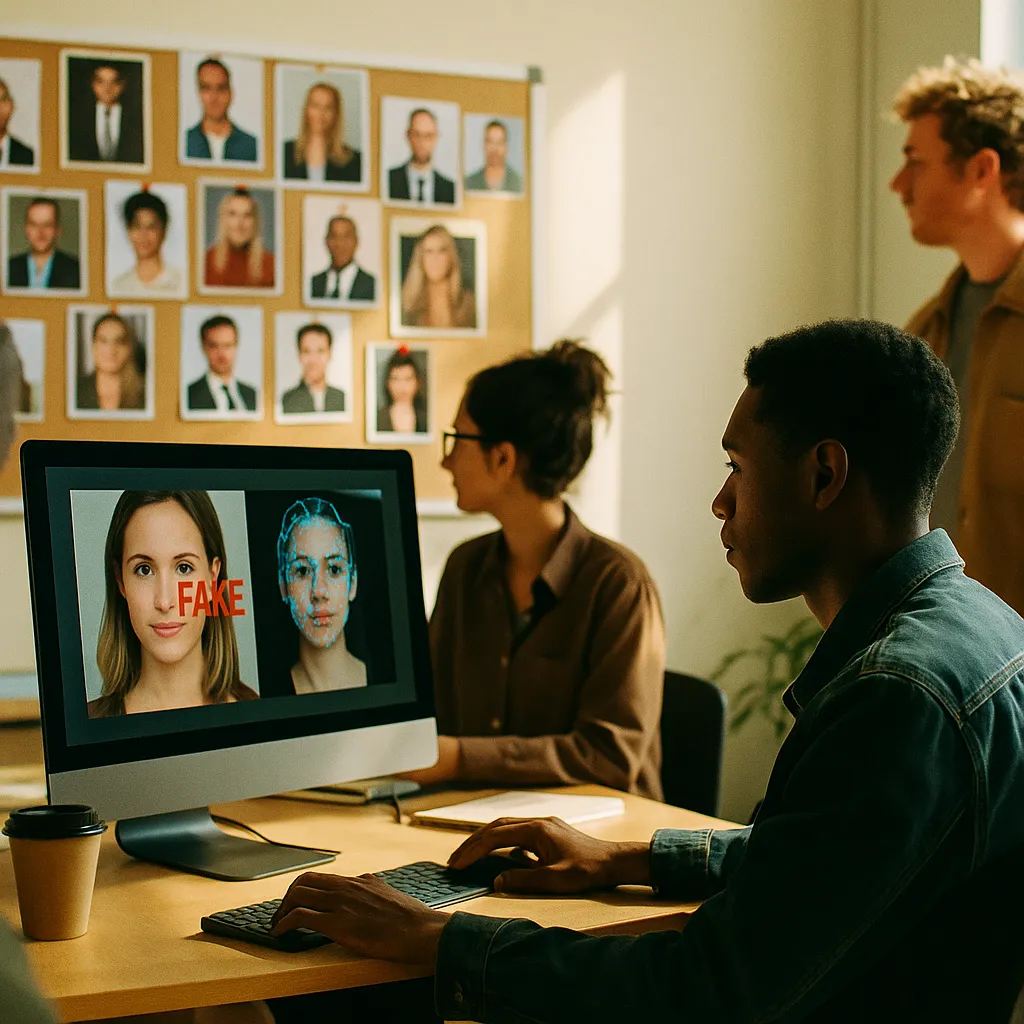
YouTube is rolling out its AI-powered likeness detection tool to celebrities and Hollywood talent agencies, giving the entertainment industry the same platform-level deepfake protection previously limited to politicians and journalists. The expansion marks one of the most significant moves yet by a major platform to automate enforcement against non-consensual synthetic media.
Background
Deepfakes — AI-generated video or audio that replicates a real person's face, voice, or likeness — have proliferated as generative AI video tools become cheaper and easier to use. Until now, YouTube's likeness detection system was available only to a limited group of public figures, primarily in politics and media. The entertainment industry, despite being among the most targeted by synthetic media, had no equivalent protection on the platform.
YouTube's solution borrows directly from its existing Content ID infrastructure — the same system that lets record labels and studios automatically flag copyrighted audio and video. Instead of matching audio or visual content, this tool matches human likenesses.
How It Works
According to TechCrunch, the process works in three steps:
- Talent uploads their likeness. Celebrities — or their representatives at agencies like CAA, UTA, and WME — submit reference data to YouTube's system.
- YouTube's AI scans the platform. The detection system continuously scans uploaded content for synthetic replicas of enrolled likenesses.
- Flagged content goes to review. Videos containing detected likenesses are flagged for human review and potential removal, following the same process as Content ID disputes.
YouTube has confirmed that identity data submitted to the system will not be used to train Google's generative AI models — a critical assurance given widespread concern about data being repurposed for model training without consent.
Get this in your inbox.
Daily AI intelligence. Free. No spam.
Who's Involved
The initial rollout includes three of Hollywood's largest talent agencies:
- CAA (Creative Artists Agency)
- UTA (United Talent Agency)
- WME (William Morris Endeavor)
These agencies collectively represent thousands of A-list actors, musicians, directors, and athletes. Their participation means the tool will have broad early coverage across the entertainment industry from day one.
What This Means
For celebrities and their teams: A scalable enforcement mechanism across YouTube's more than 2.5 billion monthly active users. Manual reporting of deepfakes is practically impossible at that scale. Automated detection shifts the enforcement burden from the individual to the platform.
For AI video creators: Content featuring synthetic celebrity likenesses — whether made with tools like Sora, Runway, or similar generators — faces automated detection and potential removal. This raises the compliance cost of fan edits, parody videos, or any AI-generated content involving recognizable faces.
For the broader industry: This is a template. If the system performs well, expect expansion beyond Hollywood to athletes, independent musicians, and potentially non-celebrity individuals who can demonstrate harm from synthetic likeness abuse.
What to Watch
Two questions will determine whether this becomes a durable system or another Content ID-style enforcement headache:
- Appeals and false positives. Content ID has a well-documented history of incorrect claims that suppress legitimate content for weeks. YouTube has not detailed how disputes will be adjudicated for likeness claims, and the stakes for wrongful removal are high.
- Expansion scope. The current rollout covers agency-represented talent. Independent artists and public figures without agency relationships remain outside the system.
YouTube has not announced a timeline for broader access.
Sources: TechCrunch — YouTube expands its AI likeness detection technology to celebrities, April 21, 2026
Did this help you understand AI better?
Your feedback helps us write more useful content.
Get tomorrow's AI briefing
Join readers who start their day with NexChron. Free, daily, no spam.