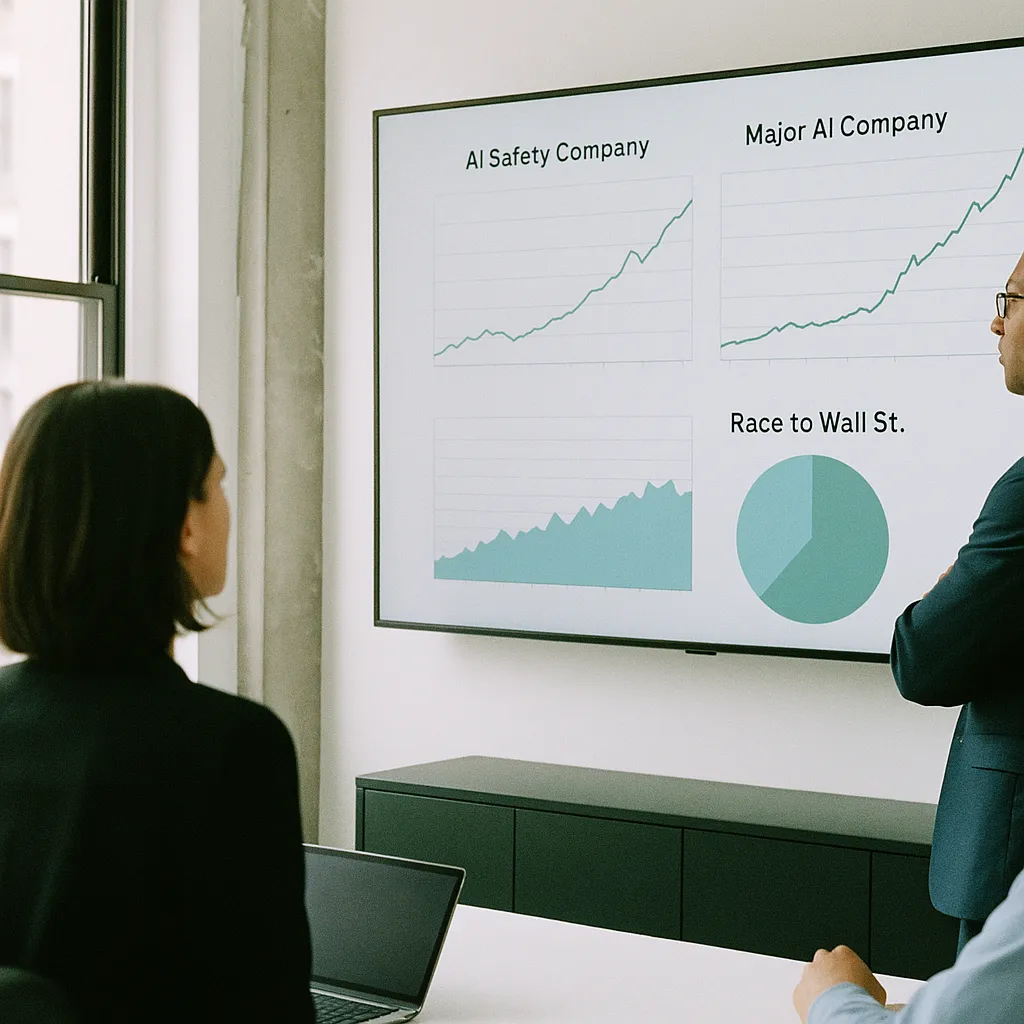
Anthropic and OpenAI are simultaneously launching $1.5B enterprise AI services ventures backed by Wall Street heavyweights, racing to embed engineers inside mid-sized businesses.
Anthropic and OpenAI Race to Wall Street With Rival $1.5B Enterprise AI Ventures
By Hector Herrera | May 4, 2026 | Business
Anthropic is launching a $1.5 billion enterprise AI services firm backed by Blackstone, Goldman Sachs, and Hellman & Friedman — and OpenAI is building an almost identical structure at the same time. The simultaneous moves mark a new phase in how AI reaches businesses: rather than selling software subscriptions, the leading labs are embedding engineers directly inside companies to redesign work around AI agents.
Background
For the past three years, enterprise AI adoption has split sharply by company size. Large corporations with deep IT budgets have moved fast. Mid-sized businesses — the 500-person manufacturers, the regional banks, the healthcare networks — have largely stalled. They lack the internal expertise to identify where AI actually helps and how to integrate it without breaking existing operations. That gap is the market both Anthropic and OpenAI are now targeting with these new ventures.
The Structure
According to CNBC, Anthropic's new venture will operate as a standalone firm — separate from the lab's core model development — focused specifically on enterprise deployment. The $1.5 billion capitalization is backed by a coalition including Blackstone, Goldman Sachs, and Hellman & Friedman.
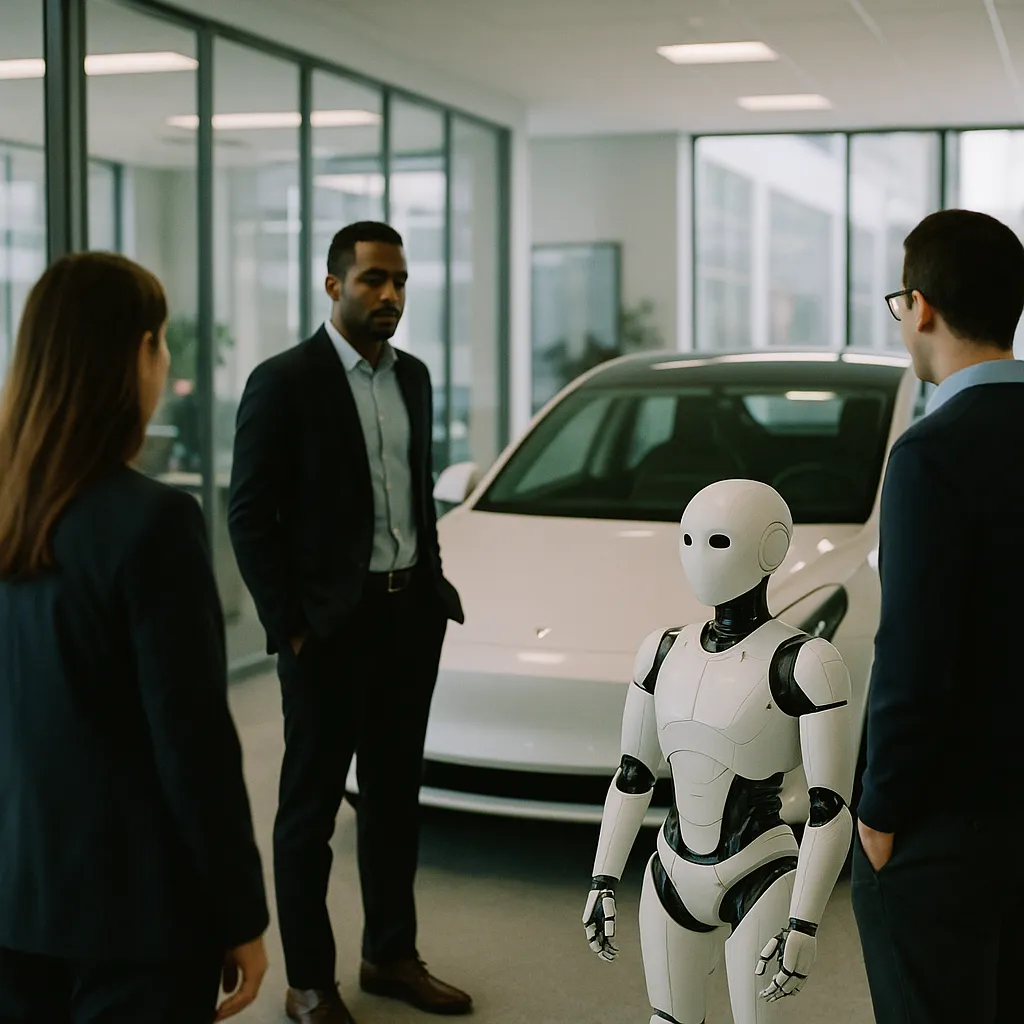
The model mirrors what Palantir built over the past decade: forward-deployed engineers (engineers who live and work inside client organizations rather than building remotely) who map current workflows and redesign them around AI agents. It's less "here's a login to our dashboard" and more "we're sending three engineers to your Chicago office for six months."
Get this in your inbox.
Daily AI intelligence. Free. No spam.
OpenAI is simultaneously building an equivalent structure, backed by TPG and Bain Capital. Both ventures surfaced in the same news cycle — an unusual parallel that signals how urgently both labs believe this distribution gap needs to close.
Why Wall Street
The financial backers aren't passive investors. Blackstone, Goldman Sachs, TPG, and Bain collectively manage or advise hundreds of portfolio companies across every major industry. Those portfolios function as built-in customer pipelines. A Blackstone-backed manufacturer doesn't just become a reference customer — it becomes a proof-of-concept for the venture's entire client acquisition playbook.
What This Means
For mid-sized businesses: Expect aggressive outreach from both ventures. Each will need to land clients quickly to justify their capitalization. That creates negotiating leverage for early buyers.
For the AI market: Competition between Anthropic and OpenAI now shifts from model benchmarks to delivery capacity — which firm can recruit, train, and deploy enough embedded engineers to scale without quality collapse.
For enterprise software vendors: Firms like Salesforce, ServiceNow, and SAP, which have been layering AI onto existing platforms, now face a different kind of competition. AI-native services firms will walk into the same client meetings and offer to rebuild the workflows those platforms run.
What to Watch
Whether the forward-deployment model can scale. Palantir took years to make its delivery process repeatable — early growth was constrained by how slowly the firm could train and place forward-deployed engineers. Anthropic and OpenAI are betting they can compress that timeline using stronger base models and better internal tooling. Whether they're right will show up in client renewal rates twelve to eighteen months from now.
Did this help you understand AI better?
Your feedback helps us write more useful content.
Get tomorrow's AI briefing
Join readers who start their day with NexChron. Free, daily, no spam.