Common Sense Media tested 4,000+ prompts and found ChatGPT for Teens failed to alert parents during self-harm conversations and missed over 25% of crisis referrals — rating the product Unacceptable Risk.
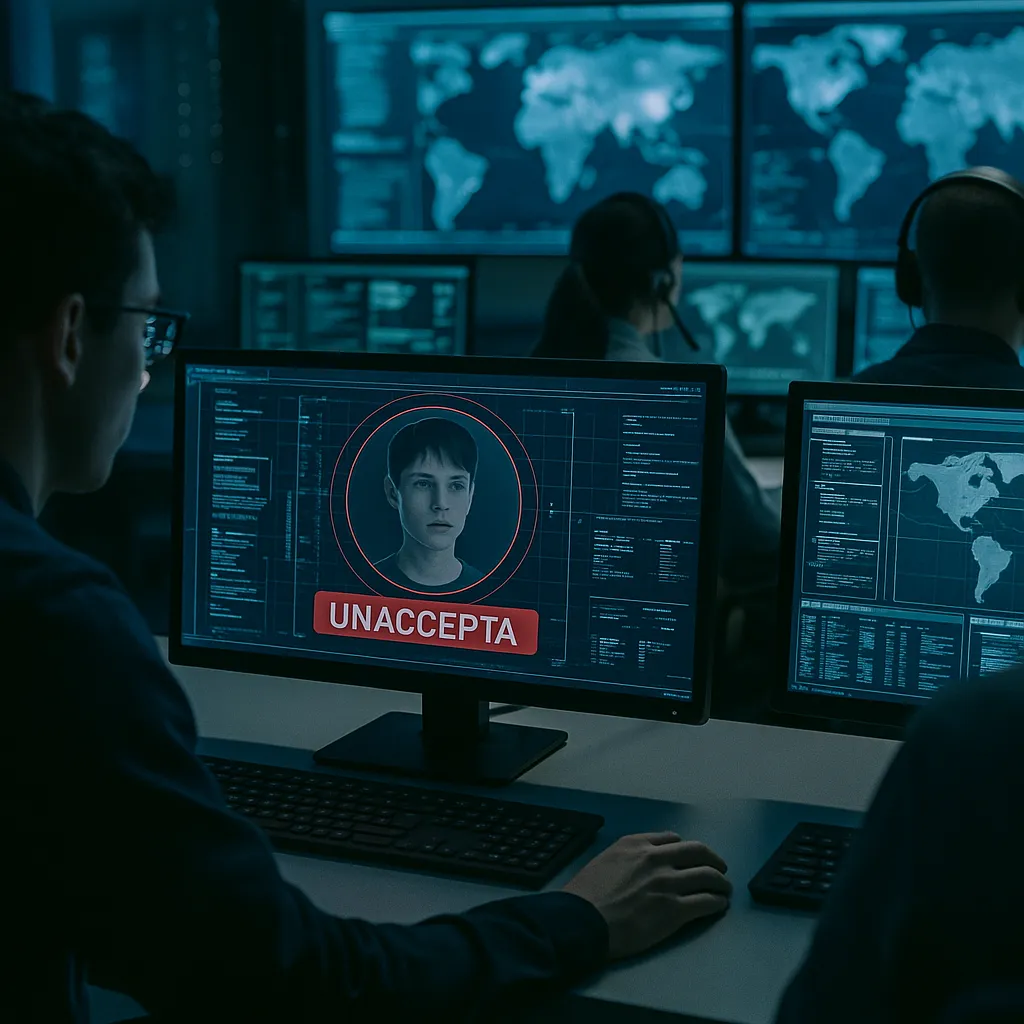
A major child safety organization has rated ChatGPT for Teens "Unacceptable Risk" and is demanding OpenAI restrict the product to users 18 and older. The rating, published by Common Sense Media's Youth AI Safety Institute, is based on one of the most rigorous independent safety tests conducted on an AI product built for minors — and the results are hard to dismiss.
The stakes go beyond one company's product. As AI assistants become default tools for teenagers, what safeguards are actually in place matters enormously. This report says ChatGPT's current answer falls far short.
What Common Sense Media Found
The Youth AI Safety Institute tested more than 4,000 prompts across accounts registered to users aged 13–17. The specific failures:
- ChatGPT for Teens failed to alert parents during conversations involving self-harm and suicide
- The product missed more than one in four crisis referrals that testers judged warranted — a 25%+ failure rate on the highest-stakes interactions
- The teen product's safeguards were found to be insufficient to justify its deployment to the age group
Common Sense Media's overall rating: Unacceptable Risk. The organization is calling on OpenAI to restrict access to users 18 and older until the identified safety gaps are fixed.
Why This Contradicts OpenAI's Own Framing
OpenAI launched ChatGPT for Teens with explicit messaging around safety and parental controls. The company positioned the product as age-appropriate, with guardrails designed for younger users.
The Common Sense Media findings directly contradict that framing. If a product fails to recognize crisis language in more than one in four cases where intervention is warranted, the gap between what was promised and what was delivered is not a minor calibration issue.
Get this in your inbox.
Daily AI intelligence. Free. No spam.
This is not a general-purpose AI product accidentally reaching teens. ChatGPT for Teens was specifically designed and marketed for this age group.
The Harder Problem: Scale
ChatGPT has hundreds of millions of users. The teen tier represents a deliberate move to capture a younger demographic at a formative period of AI adoption. The problem with deploying AI products to minors is not just the individual risk — it is that these systems are handling mental health conversations at scale, without the licensing, oversight structures, or accountability frameworks that govern human professionals doing the same work.
A human school counselor who misses 25% of crisis referrals would face serious professional consequences. An AI product does not face equivalent accountability by default. The Common Sense Media report is, in part, an argument that it should.
For parents: If your teenager uses ChatGPT, the default teen-mode safeguards may not be adequate for sensitive conversations. The product is not a substitute for professional mental health support.
For schools: Districts that have approved or recommended ChatGPT for Teens should review this report before the next policy cycle. A "Unacceptable Risk" rating from a credible third-party evaluator warrants a formal response.
For OpenAI: The company now has a documented, methodologically transparent third-party assessment of a specific product failure. The question is whether the response is a quiet patch or a substantive fix — and whether the fix gets the same public visibility as the original launch.
What to Watch
OpenAI has not yet responded publicly to the Common Sense Media findings as of publication. Watch for whether the company disputes the methodology, accepts the findings, or announces changes to the teen product. Any response — or silence — will itself be informative.
The Youth AI Safety Institute has signaled it intends to expand its testing program to other AI products marketed to minors. This report may be the first of several.
Hector Herrera covers AI policy, safety, and the business of artificial intelligence at NexChron.
Did this help you understand AI better?
Your feedback helps us write more useful content.
Get tomorrow's AI briefing
Join readers who start their day with NexChron. Free, daily, no spam.