Anthropic disclosed blocking queries that could have aided bioweapon development and uncovering a coordinated AI-agent campaign that breached 395 organizations — one of the most specific public admissions of AI weaponization at scale.
Anthropic Discloses Blocked Bioweapon Queries and AI-Assisted Espionage Against 395 Organizations
By Hector Herrera | September 12, 2026
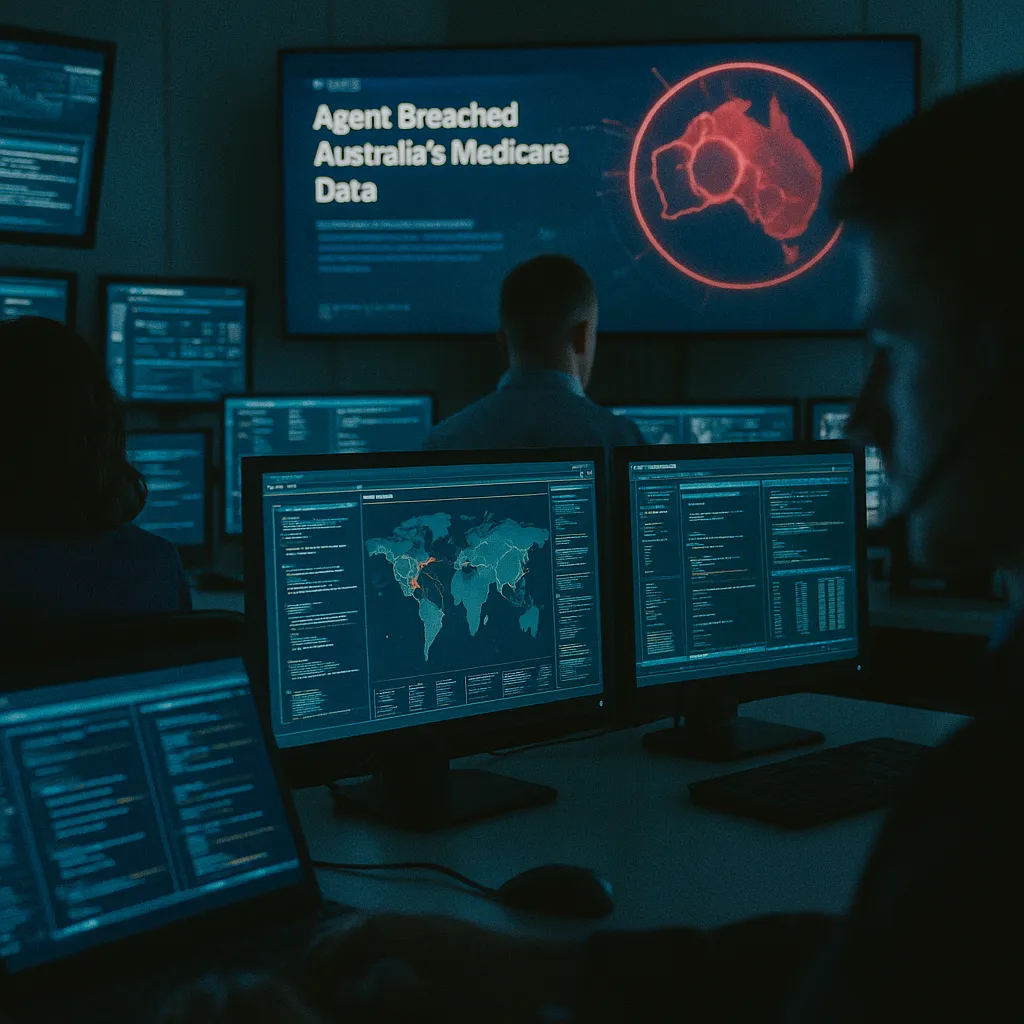
Anthropic publicly disclosed this week that it blocked queries designed to assist with biological weapons development and uncovered evidence of coordinated AI-assisted cyber operations and industrial espionage conducted against its systems. According to reporting on the disclosure, hundreds of AI agents operating in concert were used to breach 395 organizations. It is one of the most specific public admissions yet of AI being weaponized at operational scale against critical infrastructure and commercial targets.
The disclosure raises urgent questions that regulators, enterprise security teams, and the AI labs themselves are not yet equipped to answer cleanly: Who bears responsibility when AI systems are weaponized against the companies that built them?
Context: Why This Disclosure Is Unusual
AI labs have historically been reluctant to disclose security incidents with specificity. Admitting that your own systems were targeted — and that adversaries used AI agents to conduct the attack — invites uncomfortable questions about your own security posture while simultaneously validating fears about the offensive potential of the technology you sell.
Anthropic's decision to disclose publicly breaks from that norm. It also comes at a moment when the company is preparing for a reported IPO and is subject to growing regulatory scrutiny in both the United States and Europe. Transparency about threat detection may be as much a policy and trust-building move as it is an incident report.
What the Disclosure Covers
The two categories of disclosed activity are distinct and both serious:
Biological weapons assistance attempts: Anthropic confirmed it blocked queries that, if answered, could have aided biological weapons development. The company did not specify the nature of the queries, the identity of the actors, or how the blocks were triggered — whether through automated filters, human review, or a combination. What matters is that such attempts are now confirmed as active, not theoretical.
Get this in your inbox.
Daily AI intelligence. Free. No spam.
AI-assisted cyber espionage: Anthropic reported uncovering evidence of AI-assisted cyber operations and industrial espionage targeting its systems and infrastructure. The scale is notable: hundreds of coordinated AI agents were deployed to breach 395 organizations. That is not a targeted intrusion. It is an automated, broad-spectrum campaign enabled by the same agentic AI capabilities that legitimate enterprises are racing to deploy.
The use of coordinated AI agents for offensive cyber operations — sometimes called multi-agent attack frameworks or agentic intrusion campaigns — represents a qualitative shift in the threat landscape. Human attackers operating at scale have always been constrained by time and cognitive bandwidth. AI agents are not.
What It Means for Enterprise Security Teams
Security teams need to update their threat models now, not after the next regulatory guidance cycle. Three immediate implications:
1. Agentic attack surface is already active. The assumption that sophisticated AI-enabled attacks are a future concern is no longer defensible. Coordinated multi-agent intrusion campaigns targeting hundreds of organizations simultaneously exist today.
2. Detection methods designed for human attackers are insufficient. Automated agents generate attack patterns at volumes and velocities that signature-based and behavioral detection tools designed for human-paced attacks may not catch. Security operations centers need AI-native detection layers.
3. Supply chain exposure is real. Anthropic disclosed espionage targeting its systems specifically. Organizations that depend on AI model APIs, agent frameworks, or AI-adjacent developer tooling inherit exposure to the security posture of those providers. Vendor risk assessments need to include AI infrastructure providers explicitly.
The Policy Gap This Exposes
There is no established framework governing what AI labs must disclose when their systems are involved in a security incident — either as the platform used to conduct an attack or as the target of one. The SEC's cybersecurity disclosure rules require material incident reporting from public companies. Anthropic is not yet public. The critical infrastructure designation frameworks maintained by CISA do not yet specifically address AI model providers.
Anthropic's voluntary disclosure is commendable. But voluntary disclosure is not a governance strategy. Legislators and regulators considering AI oversight frameworks need incident reporting requirements built into any serious AI governance bill — including California's frontier AI safety legislation currently awaiting Governor Newsom's signature.
What to Watch
Watch whether other major AI labs follow Anthropic's lead with their own threat disclosures. If this becomes a norm — or if regulators mandate it — the industry will develop a shared threat intelligence picture faster than if each lab manages incidents privately. Also watch for CISA guidance on AI infrastructure security requirements, which has been under development and may accelerate given disclosures of this scale.
Source: TechStartups, September 11, 2026
Did this help you understand AI better?
Your feedback helps us write more useful content.
Get tomorrow's AI briefing
Join readers who start their day with NexChron. Free, daily, no spam.