President Trump abruptly postponed a prepared AI cybersecurity executive order hours before the scheduled Oval Office ceremony, raising questions about the administration's approach to AI security versus competitiveness.
Trump Pulls Plug on AI Cybersecurity Executive Order Hours Before Signing Ceremony
By Hector Herrera | May 21, 2026 | Government
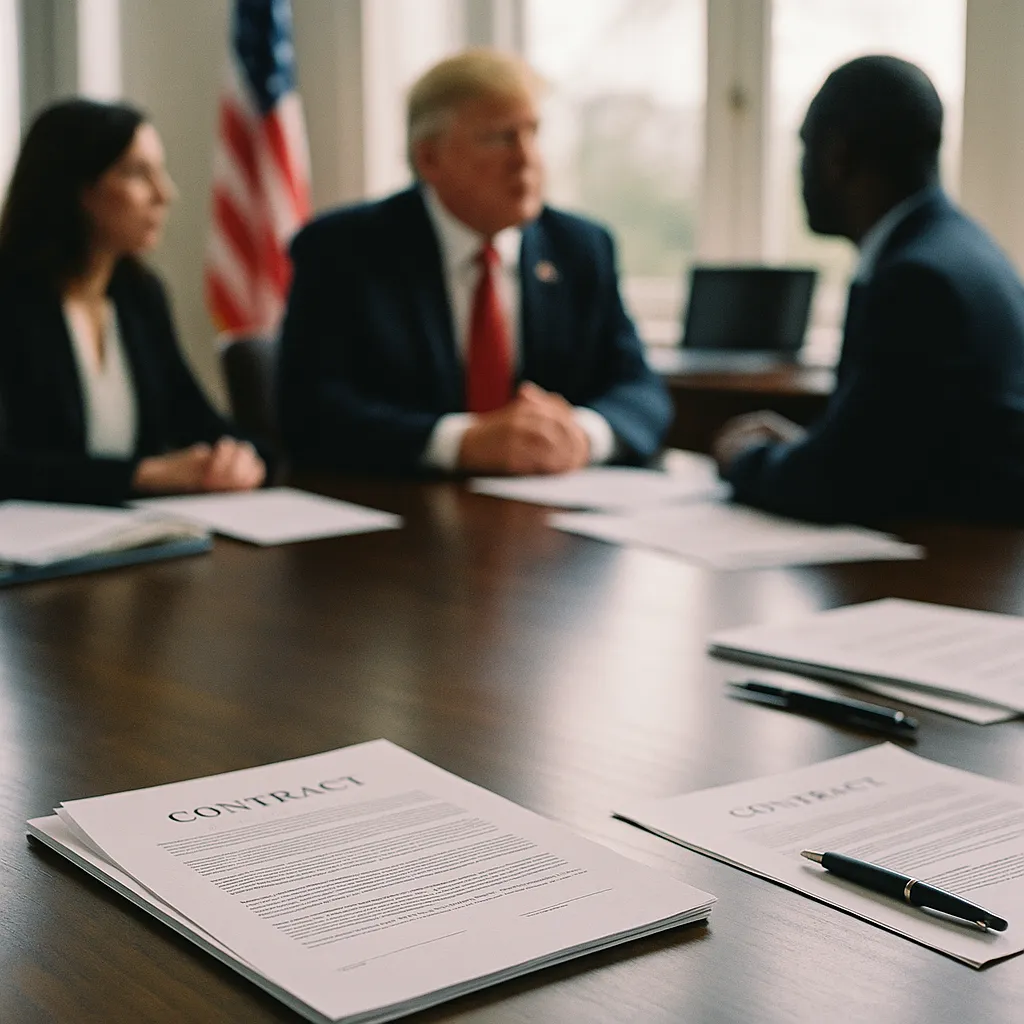
President Trump abruptly postponed a prepared AI cybersecurity executive order hours before the scheduled Oval Office signing ceremony, telling reporters he had concerns about the draft. The reversal marks a significant turn in the administration's AI policy posture — and raises fresh questions about whether Washington can move on AI security without stalling on competitiveness fears.
What Happened
The executive order, which had been prepared and scheduled for signature Wednesday, would have required AI developers to share new frontier models with federal government agencies 90 days before public release. The purpose: give agencies time to evaluate national security implications before the models reached the public.
Trump halted the ceremony hours before it was set to begin. "I didn't like certain aspects of it," he told reporters. His stated concern was friction — any requirement that slows AI labs could, in his view, cost the United States its competitive edge over China.
Key details:
Get this in your inbox.
Daily AI intelligence. Free. No spam.
- The order had been prepared and a signing ceremony formally scheduled
- The 90-day pre-release window would have applied to frontier AI models — large, capable systems at the cutting edge of AI development
- Trump called off the signing personally, not through aides or a formal statement
- No revised timeline for a replacement order has been announced
Context
The order had been framed as a national security measure, not a regulation. The logic: federal agencies — including defense and intelligence — should see powerful new AI systems before they go public, so they can assess risks and prepare responses. A similar approach already exists for certain classified government contracts.
The tension Trump identified is real. The U.S. leads China in frontier AI model development by most benchmarks, and any mandatory pre-release hold creates a window where a lab's work sits in government review rather than reaching customers and developers. Whether that 90-day window meaningfully affects competitive dynamics is debated — but it's the argument that appears to have given Trump pause.
What It Means
For AI labs, the short-term effect is a reprieve. Companies like OpenAI, Anthropic, Google DeepMind, and Meta had been preparing to comply with pre-release review requirements. Those plans are now on hold.
For federal agencies, it's a setback. The intelligence and defense communities have been pressing for greater visibility into frontier model capabilities before public deployment. Without an executive mandate, that access depends on voluntary cooperation from labs — which varies.
For the broader policy picture, the pullback signals that the Trump administration is willing to sideline security-oriented AI measures when they conflict with the narrative of U.S. technological dominance. That's a meaningful data point for anyone tracking how this White House balances AI risk against AI competition.
What to Watch
The administration has not ruled out a revised order. The question is whether the White House can find language that preserves some form of pre-deployment government review without the pre-release delay that spooked Trump. If no replacement emerges, the 90-day review mechanism may shift to Congress — where AI security bills have been moving slowly but haven't stalled entirely.
Source: CNBC
Did this help you understand AI better?
Your feedback helps us write more useful content.
Get tomorrow's AI briefing
Join readers who start their day with NexChron. Free, daily, no spam.