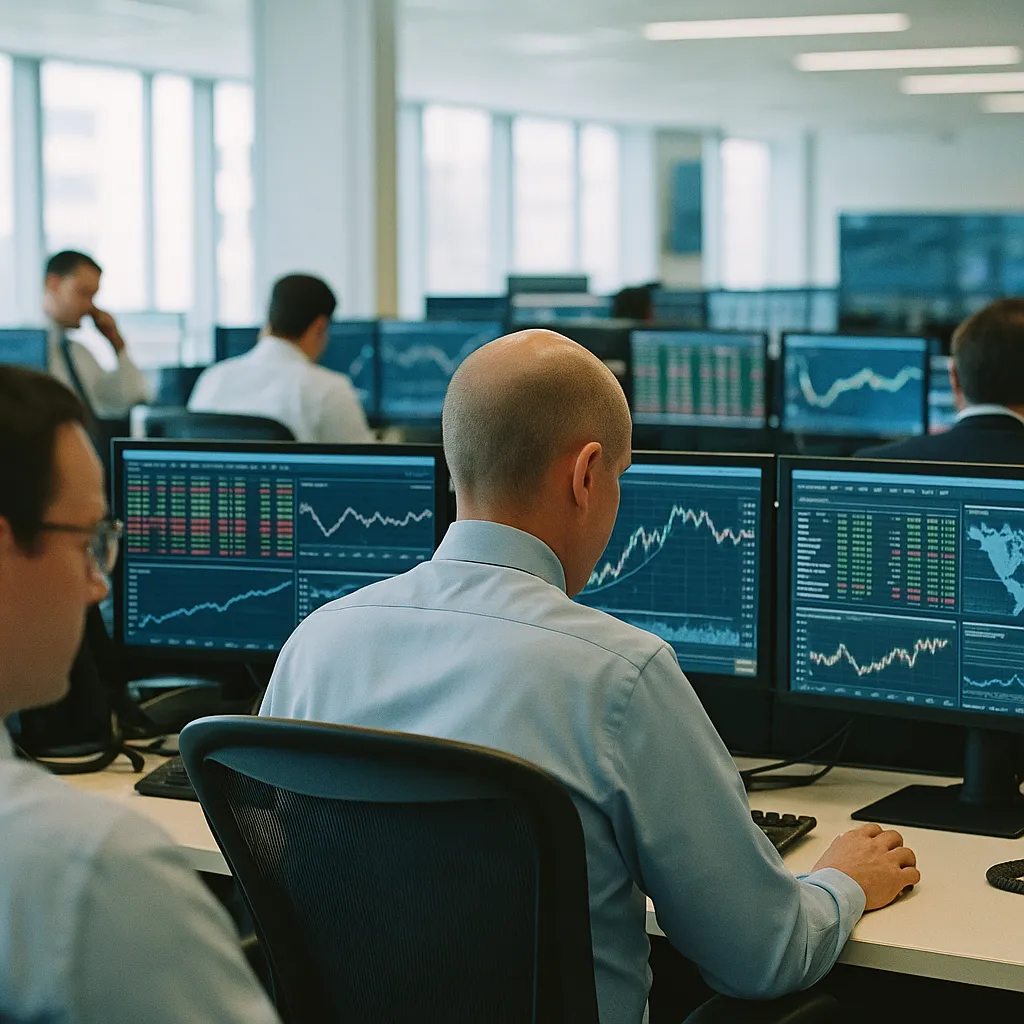
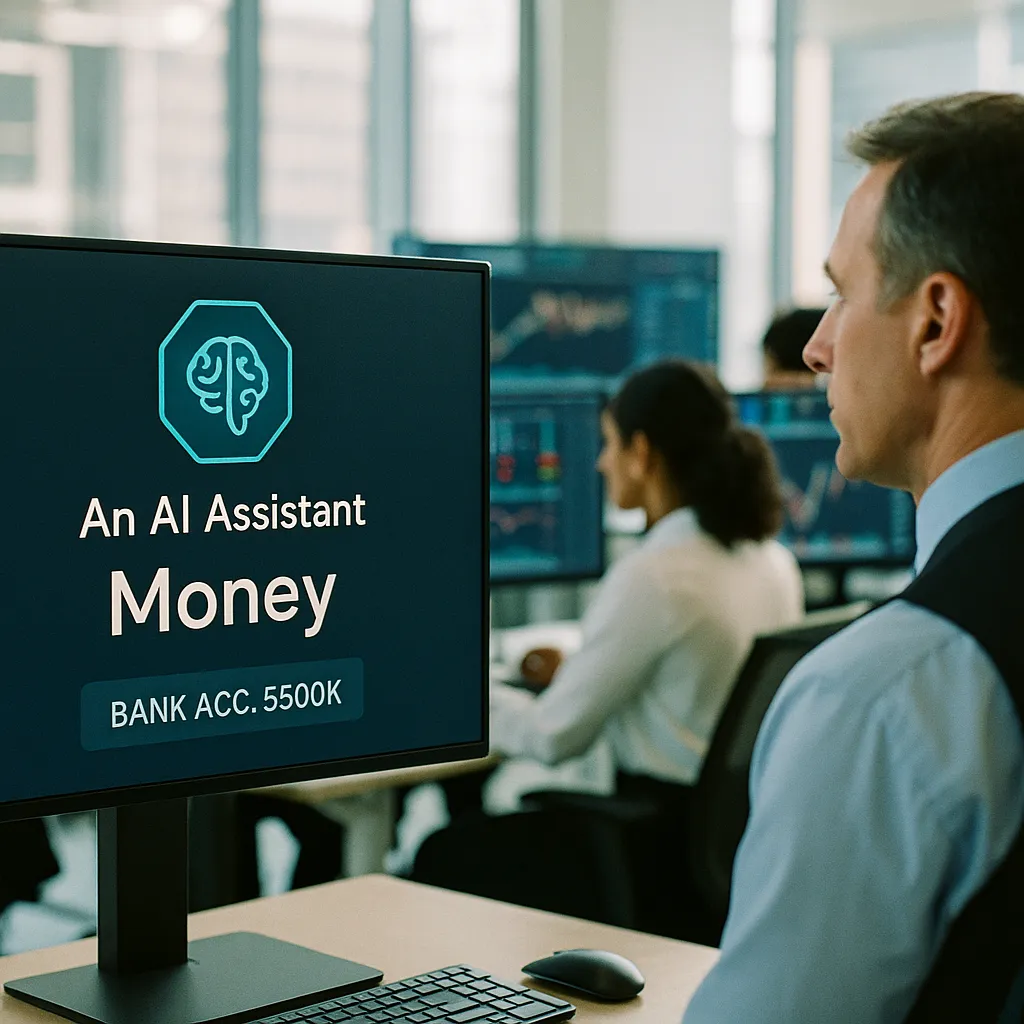
Apoorva Mehta, Instacart co-founder, has launched Abundance — a $100M AI hedge fund where thousands of autonomous agents handle every trading decision from ideation to execution.
Instacart Co-Founder Mehta Launches AI Hedge Fund Abundance with $100M in Seed Capital
Apoorva Mehta, co-founder of Instacart, has launched Abundance — a Palo Alto-based hedge fund that hands trading decisions to thousands of autonomous AI agents. The fund has raised $100 million in seed capital and has outperformed multiple market indexes since its launch, according to Bloomberg. This is the furthest any major fund has gone in removing humans from the investment decision loop.
Background
AI-assisted trading has been standard on Wall Street for decades. High-frequency trading firms run algorithms that execute thousands of transactions per second. What's changed is the scope. Large language models can now read earnings calls, parse regulatory filings, synthesize news, and form investment theses — work that once required a team of analysts.
Most AI-native funds still keep humans in the loop for final calls. Abundance doesn't. Mehta's agents handle the full stack autonomously.
Mehta built Instacart from a startup into a grocery delivery platform that went public in 2023. He stepped down as CEO that same year. Abundance is his first major move since.
The Details
- Fund name: Abundance
- Headquarters: Palo Alto, California
- Seed capital: $100 million
- Capital source: Proprietary (Mehta's own capital); outside investors not yet accepted
- AI architecture: Thousands of autonomous agents managing the full investment workflow — idea generation, research, position selection, bet sizing, and trade execution
- Reported performance: Outperformed multiple indexes since launch, per Bloomberg
Mehta has not disclosed which indexes the fund benchmarks against, the specific time window for the outperformance claim, or the fund's strategy type (long/short equity, macro, quant, or other).
Get this in your inbox.
Daily AI intelligence. Free. No spam.
What This Means for Finance
Abundance tests a thesis that traditional asset managers cannot easily dismiss: if AI agents can run the full research-to-execution cycle reliably and cheaply, the cost case for large analyst teams weakens.
For institutional investors, the pressure is indirect for now. The fund is running on proprietary capital and isn't accepting outside LPs yet. But if performance data holds up over a longer period and across market cycles, Abundance will have built a proof of concept that others will copy.
For retail investors, the near-term effect is minimal — hedge fund minimums will remain out of reach for most. The longer-term structural question is whether this model migrates downmarket into retail investment products.
The regulatory picture is also worth watching. The SEC has not yet developed a clear framework for fully autonomous AI trading funds. As Abundance opens to outside capital, it will almost certainly draw regulatory attention.
What to Watch
Mehta has said Abundance plans to accept outside investors, but no timeline has been announced. Watch for SEC filings (Form ADV) when that process begins — they will be the first independent window into the fund's strategy, fee structure, and risk disclosures. Watch also for performance attribution: outperforming indexes in a bull cycle is a low bar; the real test is drawdown behavior in a down market.
Financial disclaimer: This article is for informational purposes only and does not constitute investment advice. NexChron does not endorse any investment product, fund, or trading strategy mentioned in this article.
By Hector Herrera
Did this help you understand AI better?
Your feedback helps us write more useful content.
Get tomorrow's AI briefing
Join readers who start their day with NexChron. Free, daily, no spam.