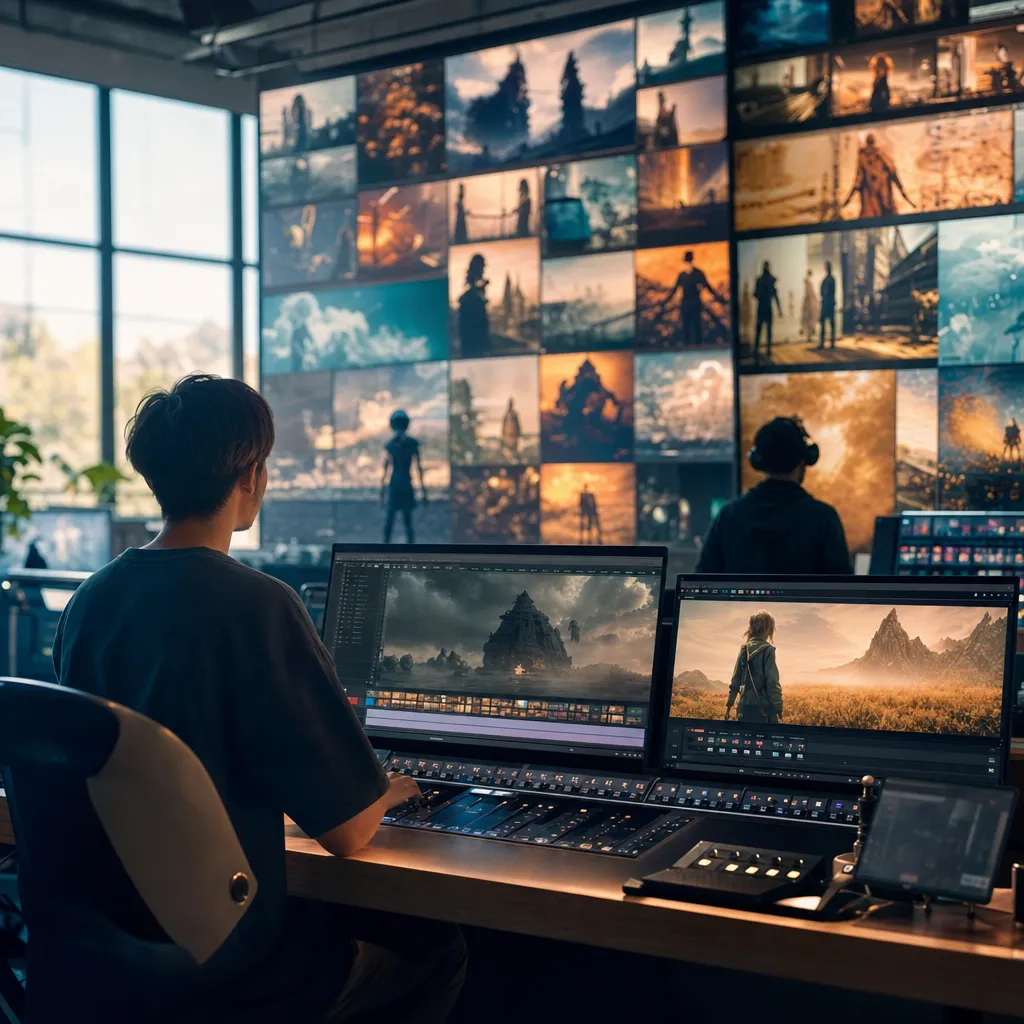
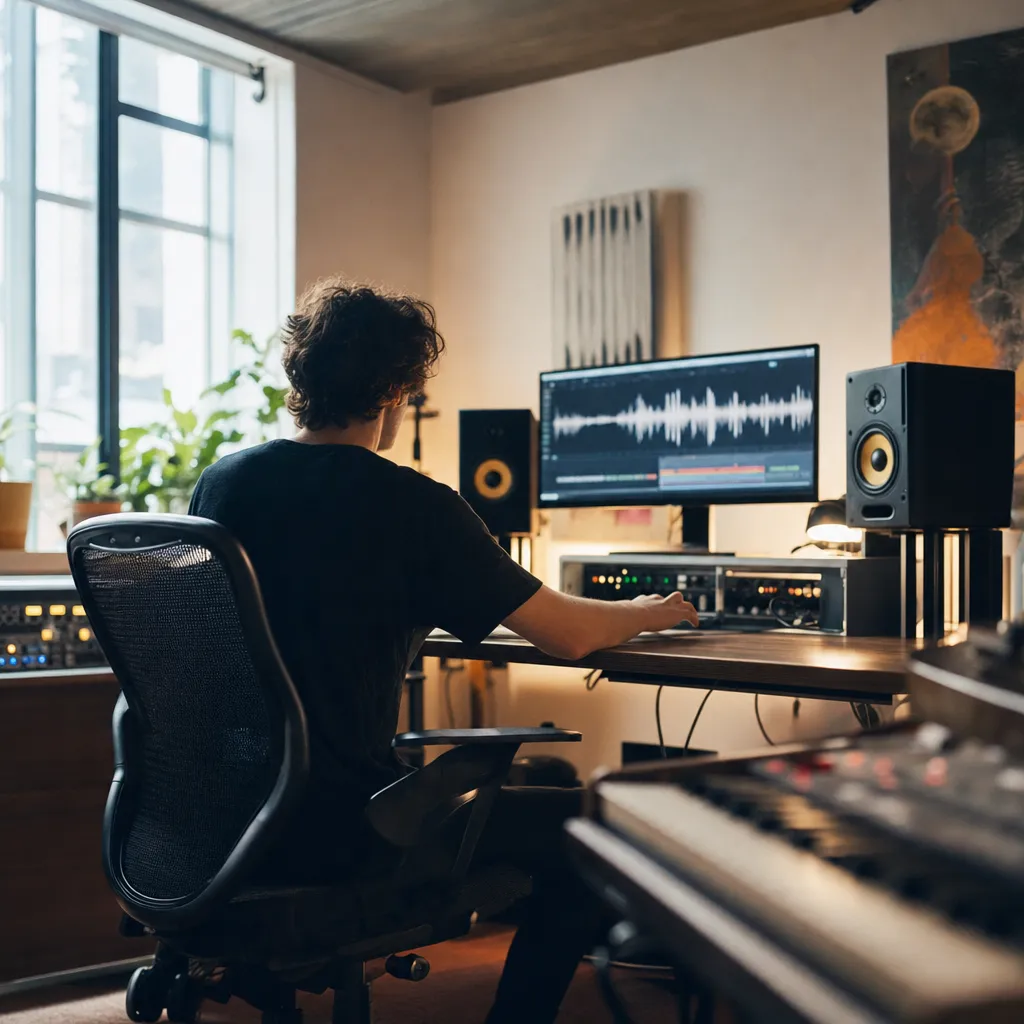
Taiwanese tech company imCore Corp. launched Core Studio at TCCF, an AI filmmaking platform that deploys 24 specialized production agents across the full production pipeline. The launch is the most comprehensive agentic production stack announced to date in entertainment.
Taiwanese tech company imCore Corp. launched Core Studio at the Taiwan Creative Content Fest this week, an AI filmmaking platform that deploys 24 specialized production agents across the full film production pipeline — from initial script development through final color grading. The launch is the most comprehensive agentic production stack announced to date in entertainment, and it positions Taiwan as an emerging hub for AI-native film tooling at a moment when the industry is actively debating how much of production AI can and should handle.
The platform is not a single AI tool. It is an orchestrated system of specialized agents, each built for a distinct production function: script development, storyboarding, shot planning, visual effects compositing, dialogue synchronization, music scoring, and color grading are all represented. The design philosophy treats film production as a pipeline problem — one where individual bottlenecks compound into weeks of delay — and addresses each bottleneck with a dedicated model optimized for that task.
What Core Studio Actually Does
According to Variety, Core Studio's 24 agents are structured to work sequentially and in parallel across production phases:
Pre-production agents handle script analysis, dialogue rewriting for localization, storyboarding from script text, and shot list generation. A director can feed a draft script and receive a preliminary storyboard set within hours rather than days.
Production-support agents manage real-time continuity checking, on-set prop and costume tracking against storyboards, and dialogue coaching based on character voice profiles established in pre-production.
Post-production agents cover the heaviest AI workload: VFX compositing, scene color analysis and grading, music composition from mood briefs, sound design layering, and final quality-control checks for distribution standards across streaming platforms.
Get this in your inbox.
Daily AI intelligence. Free. No spam.
The full pipeline integration is what distinguishes Core Studio from point solutions. Tools like Runway and Pika excel at specific tasks — video generation, motion brush, style transfer — but they don't hand off context between production phases. Core Studio's agents are designed to share a common project context, so the character voice established in script development informs the dialogue coaching agent, which informs the music composition agent's character themes.
The Taiwan Angle
Launching at TCCF is a deliberate geographic statement. Taiwan has significant strengths in semiconductor manufacturing and hardware supply chains, but the country has been less prominent in AI software — particularly in creative applications. imCore's launch signals that the Taiwanese tech ecosystem is investing in moving up the AI value chain, into applications that run on the hardware Taiwan builds.
Taiwan's film and animation industry is also a natural proving ground. The country has an active domestic production market and strong export relationships with streaming platforms across Asia. If Core Studio can demonstrate ROI on Taiwanese productions — cutting post-production timelines, reducing localization costs — it has a ready distribution path across Asian entertainment markets before attempting to compete in Hollywood.
What This Means for Filmmakers and Studios
The core economic promise is production time compression. Film post-production typically runs three to six months for a feature; studios routinely describe post as the phase where budgets balloon beyond initial projections. If a 24-agent system can compress VFX and color grading timelines by 40 to 60 percent, the ROI case is straightforward even at premium subscription pricing.
For independent filmmakers and streaming platforms running high-volume content operations, agentic production tools represent something different: the ability to produce at a volume that was previously cost-prohibitive. A streaming platform that needs 200 hours of localized content across 12 languages for a regional expansion can't hire its way to that throughput at reasonable unit economics. AI-native production pipelines change that math.
The concern, raised consistently by writers' guild organizations and cinematographers unions, is that agentic production systems don't just compress timelines — they eliminate jobs. The 24-agent architecture implies that many of the roles those agents perform are being automated, not augmented. How studios and production companies deploy Core Studio — as a tool for human creative workers or as a replacement layer — will determine how labor negotiations evolve in the next production cycle.
What to Watch
Watch for imCore to announce early production partnerships with Asian streaming platforms, likely by Q1 2027. The key performance benchmarks will be post-production timeline compression and cost-per-finished-minute compared to traditional pipelines. If Core Studio can publish auditable case studies from real productions, it will accelerate industry adoption significantly. Watch also for responses from established post-production software companies — Adobe, Avid, Blackmagic Design — that have been integrating AI features incrementally into their existing tools rather than taking the full-pipeline agentic approach.
Source: Variety, November 2026
Did this help you understand AI better?
Your feedback helps us write more useful content.
Get tomorrow's AI briefing
Join readers who start their day with NexChron. Free, daily, no spam.